After a car accident that was not your fault in Clark County, call 911, document the scene, notify your insurer, and seek medical care. Exchange information without admitting fault and avoid recorded statements. Prompt treatment and thorough documentation protect your health and strengthen your claim under Nevada’s comparative negligence rules.
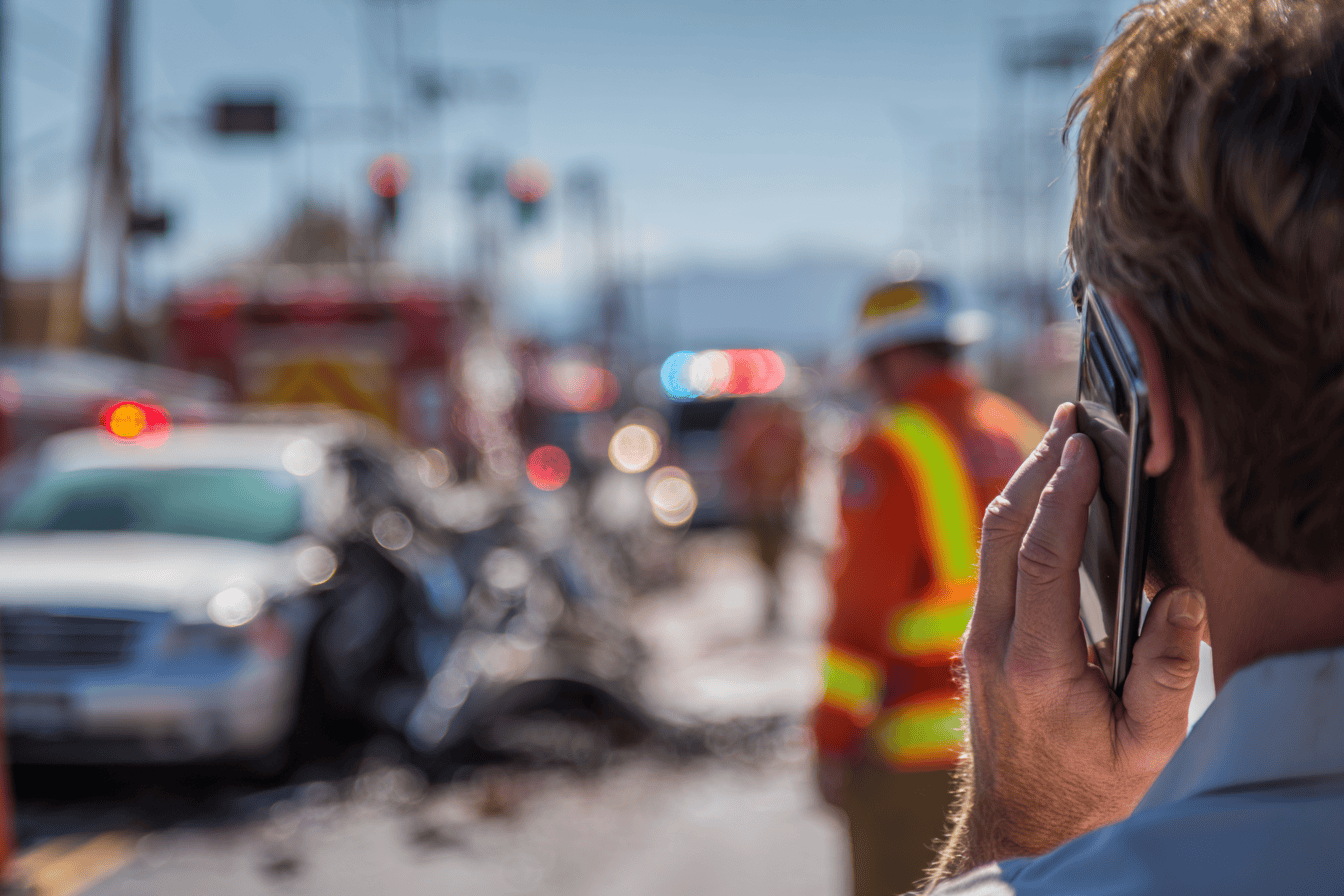
A car accident in Clark County can leave you shaken, injured, and unsure what steps to take next, even when the crash was not your fault. Collisions on roads like I 15, Flamingo Road, or Sahara Avenue often happen suddenly and create immediate stress. Medical concerns, vehicle damage, and calls from insurance companies can quickly become overwhelming. Many drivers worry about saying the wrong thing or jeopardizing their claim.
The situation becomes more complicated because Nevada follows a modified comparative negligence rule. Insurance companies may still try to shift partial blame onto you to reduce what they pay. Delaying medical care, failing to document the scene, or giving recorded statements can seriously weaken your case. Even when liability seems clear, mistakes in the early stages can cost you compensation.
In this article, you will discover exactly what to do after a car accident that was not your fault in Clark County and how a Clark County car accident attorney can help protect your rights and maximize your recovery.
What to Do Right Now After a Crash in Clark County
Check for Injuries and Call 911
Your first priority is safety. Check yourself, your passengers, and the occupants of other vehicles for any injuries.
Even if injuries seem minor, call 911 immediately. The shock and adrenaline from a crash can mask pain from serious conditions like internal bleeding, concussions, or whiplash.
When you call, tell the dispatcher your exact location, how many vehicles are involved, and if anyone is visibly hurt. Also mention any hazards like leaking fluids, blocked traffic lanes, or debris on the road.
Move to Safety and Turn on Hazard Lights
If your vehicle is drivable and there are no serious injuries, Nevada law requires you to move it out of the travel lanes. This prevents further collisions and keeps traffic moving.
Turn on your hazard lights immediately to alert other drivers. Look for the safest place to pull over in this order of preference:
- Parking lot: Move to the nearest business parking area if possible
- Side street: Find a quiet residential street away from main traffic
- Shoulder: Use the emergency lane on highways and freeways
- Median: Only if no shoulder exists and it’s wide enough to be safe
This is especially critical on busy Clark County roads like the I-15, Las Vegas Strip, or 215 Beltway, where secondary accidents happen frequently.
Call LVMPD or Nevada Highway Patrol
You should always report a car accident to the police, even if it seems minor. The Las Vegas Metropolitan Police Department (LVMPD) responds to crashes on city streets, while the Nevada Highway Patrol (NHP) handles incidents on highways and interstates.
An officer will create an official accident report, which is a critical piece of evidence for your insurance claim. This report documents the scene, gathers witness statements, and often includes the officer’s assessment of who was at fault.
If police don’t come to the scene, you must file a report yourself within 10 days with the appropriate agency.
Exchange Information Without Admitting Fault
You are legally required to exchange information with the other driver. Use your phone to take pictures of their documents to ensure accuracy and avoid writing errors.
Collect this information from every driver involved:
- Full name and contact information: Phone number and address
- Driver’s license number: Take a photo of their license
- Insurance details: Company name, policy number, and agent contact
- Vehicle information: Make, model, year, color, and license plate number
Never apologize or say things like “I’m sorry” or “I didn’t see you.” These statements can be twisted into admissions of guilt later. Simply state, “Let’s exchange our information for our insurance companies.”
Photograph the Scene and Document Everything
Thoroughly document the scene with your phone’s camera. This evidence is crucial for proving fault and the extent of damages.
Take photos of these important details:
- Vehicle positions: Show where each car ended up before they’re moved
- All damage: Photograph every dent, scratch, and broken part from multiple angles
- License plates: Get clear shots of all vehicles involved
- Road conditions: Capture skid marks, debris, potholes, or weather conditions
- Traffic controls: Document relevant stop signs, traffic lights, or lane markings
- Your injuries: Take photos of any visible cuts, bruises, or swelling
Take more photos than you think you need. You can’t go back and recreate the scene later.
Get Witness Names and Contact Information
Independent witnesses provide unbiased accounts that can strengthen your case. However, witnesses often leave the scene quickly, so approach them immediately.
If anyone saw the crash, politely ask for their name and phone number. You can also ask them to briefly write down or record what they observed on your phone.
Do You Need a Police Report in Clark County?
When Police Must Be Called and Which Agency Responds
In Nevada, you must report any car accident that results in injury, death, or property damage of $750 or more. Because modern vehicle repairs often exceed this amount even for minor damage, you should always call the police.
Beyond fault determination, the report captures details that may not seem important at the time, weather conditions, road hazards, and exact timestamps, that can prove critical later. The responding officer will also note their initial assessment of fault based on the evidence at the scene.
How to Get Your LVMPD or NHP Report
After the crash, obtain the report number from the responding officer. Write it down or save it in your phone immediately.
You can request a copy of your accident report online through the LVMPD or NHP websites; processing times vary by report and agency.
This document is essential for your insurance claim and any potential legal action.
What if the Crash Was Not Your Fault?
How to Prove Fault with Evidence
Even when you know you are not at fault, the other driver’s insurance company will look for ways to deny or reduce your claim. Insurance adjusters are trained to minimize payouts, so solid evidence is your best protection.
The evidence you gathered at the scene proves what happened. Photos showing the other driver ran a red light or crossed the center line are powerful proof of their negligence.
A traffic ticket issued to the other driver is also strong evidence of fault. Police officers issue citations based on traffic law violations they observe or determine from the crash scene.
What to Say and Not Say to the Other Driver
Limit your conversation with the other driver to exchanging information. Avoid arguing about who was at fault or discussing the details of how the crash happened.
Any statements you make can be used against you later by insurance companies or in court. Stick to factual information like “I was traveling north on Main Street when your vehicle entered my lane.”
What if the Other Driver Denies Fault
It is common for at-fault drivers to deny responsibility, especially if they face higher insurance rates or legal consequences. If this happens, do not engage in a debate at the scene.
Your evidence will speak for itself. The photos, witness statements, police report, and traffic citations will tell the true story of what happened.
Should You See a Doctor Even if You Feel Fine?
Delayed Symptoms to Watch For
Your health is the top priority after any car accident. You should always seek a medical evaluation, even if you feel fine initially.
Adrenaline can temporarily reduce your awareness of pain, so injuries may not be immediately noticeable after a crash.
Watch for these delayed signs of injury:
- Watch for delayed signs of injuries: Whiplash, neck pain, stiffness, or headaches that may develop hours or even days after the crash.
- Concussion: Confusion, dizziness, memory issues, or sensitivity to light
- Internal injuries: Abdominal pain, deep bruising, or unusual fatigue
- Soft tissue damage: Muscle or joint pain and stiffness that worsens over time
Keep Medical Records and Follow All Treatment
A medical professional can diagnose your injuries and create an official record linking them to the car accident. This documentation is crucial for your insurance claim.
Follow all treatment recommendations from your doctor. Attend every follow-up appointment, complete all prescribed physical therapy, and take medications as directed.
Keep detailed records of all medical care, including receipts for co-pays, prescriptions, and parking fees at medical facilities. Gaps in treatment can give the insurance company an excuse to argue your injuries are not serious.
Do You Have to Call Your Insurance Company if You Are Not at Fault?
What to Tell Your Insurance Company
Most insurance policies require you to report any accident within a reasonable time, regardless of who was at fault. This protects both you and your insurer from potential fraud or hidden damages.
When you call, provide the basic facts: the date, time, location, and the other driver’s insurance information. Stick to simple, factual statements about what happened.
Do not speculate on the cause of the crash or guess about the extent of your injuries. Say “I don’t know” if you’re unsure about something rather than guessing.
Should You Give a Recorded Statement
An adjuster for the other driver’s insurance may contact you and request a recorded statement. You are not legally obligated to provide one.
It is in your best interest to politely decline until you have spoken with an attorney. Insurance adjusters are trained to ask leading questions that can be used to weaken your claim later.
A simple response is: “I prefer to have my attorney handle all communications. Please contact them directly.”
Who Pays for Repairs, Medical Bills, and a Rental in Nevada?
At-Fault Driver’s Liability Coverage
Nevada is a fault-based state, which means the at-fault driver’s insurance is responsible for paying your damages. Their liability coverage should pay for your vehicle repairs, medical bills, and a rental car while yours is being fixed.
However, the at-fault driver’s insurance company may delay payment while they investigate the claim. They might also dispute fault or the amount of damages to reduce their payout.
Using MedPay, UM, and Collision on Your Policy
If the at-fault driver is uninsured or their insurer is delaying payment, you can use your own coverage to get bills paid faster.
Your policy may include these helpful coverages:
- Medical Payments (MedPay): Covers your medical bills up to your policy limit, regardless of fault
- Uninsured/Underinsured Motorist (UM/UIM): Protects you if the at-fault driver has no insurance or insufficient coverage
- Collision: Pays for your vehicle repairs, though you’ll pay your deductible first
Your insurance company will then seek reimbursement from the at-fault driver’s insurer through a process called subrogation.
Related: Average Settlement for Broken Bone in Car Accident in Clark County
Diminished Value and Total Loss
After repairs, your vehicle is worth less than it was before the crash. This is called diminished value, and you are entitled to compensation for this loss.
If your vehicle is declared a total loss, the insurance company should pay you its fair market value as of immediately before the accident. You can negotiate this amount if you believe it’s too low.
What Mistakes Should You Avoid After a Crash?
Do Not Apologize or Admit Fault
Never apologize at the scene or in conversations with insurance adjusters. Even a simple “I’m sorry” can be misinterpreted as an admission of fault, even if you were only trying to be polite.
Avoid saying things like “I didn’t see you,” “I was going too fast,” or “I should have been more careful.” These statements can be used against you to shift blame.
Do Not Post on Social Media
Insurance companies routinely search social media profiles of accident victims looking for reasons to deny claims. They hire investigators specifically to monitor your online activity.
Posting photos of you exercising, traveling, or participating in activities can be used to argue that your injuries are not as severe as you claim. It’s best to avoid social media entirely until your case is resolved.
Keep a Claim File and Track All Expenses
Stay organized by keeping a dedicated file for all accident-related documents. This helps you track your damages and ensures you don’t miss any potential compensation.
Track every expense related to the accident:
- Medical costs: Co-pays, prescriptions, medical equipment, and therapy
- Transportation: Rental car fees, gas, parking, and rideshare costs to appointments
- Lost income: Wages missed for medical treatment and recovery time
- Property damage: Repair estimates, towing fees, and personal items damaged in the crash
What Nevada Laws Affect a Not-Fault Claim?
Modified Comparative Negligence 51 Percent Bar
Nevada uses a modified comparative negligence rule to determine compensation after an accident. This means you can recover damages as long as you are not found to be 51% or more at fault. Your final compensation will be reduced by your percentage of fault. For example, if you are found 10% at fault for the accident, you can recover 90% of your total damages.
If you are found 51% or more at fault, you cannot recover any compensation at all. This is why it’s crucial to gather strong evidence proving the other driver was primarily responsible.
Minimum Insurance Limits in Nevada
Nevada law requires all drivers to carry minimum liability insurance. Unfortunately, these minimums are often not enough to cover the costs of a serious car accident.
| Coverage Type | Minimum Required |
| Bodily Injury (per person) | $25,000 |
| Bodily Injury (per accident) | $50,000 |
| Property Damage | $20,000 |
If your damages exceed these limits, you may need to pursue additional compensation through your own underinsured motorist coverage or a personal lawsuit against the at-fault driver.
Deadlines to File Injury and Property Claims
Nevada has strict deadlines for filing lawsuits after a car accident. These are called statutes of limitations, and missing them means you lose your right to seek compensation forever.
You have two years from the date of the accident to file a personal injury lawsuit. For property damage claims, you have three years from the accident date.
The clock starts ticking immediately after the crash, so it’s important to contact an attorney as soon as possible to protect your rights.
How Ladah Injury & Car Accident Lawyers Las Vegas Helps You
Fast Evidence Preservation and Investigation
When you contact us immediately after your accident, our team acts quickly to preserve critical evidence before it disappears. We photograph the accident scene, interview witnesses while their memories are fresh, and work with accident reconstruction experts to prove exactly what happened.
We also identify every party who may be held liable for your injuries, including other drivers, employers, vehicle manufacturers, or government entities responsible for road maintenance. Our 24/7 availability means we are ready to start protecting your rights the moment you call.
Handling Insurance Companies While You Heal
We take over all communication with the insurance companies so you can focus entirely on your recovery. As former insurance defense attorneys, we know exactly what tactics adjusters use to minimize claims, and we will not let them take advantage of you.
We handle all paperwork, negotiate with adjusters, and ensure deadlines are met. You never have to worry about saying the wrong thing or missing an important deadline that could hurt your case.
Maximizing Recovery for All Your Damages
Our goal is to secure full compensation for all of your losses, not just your immediate medical bills and car repairs. We fight for damages to cover your lost wages, future medical needs, pain and suffering, and the impact the accident has had on your life.
We have secured significant recoveries for our clients, including a jury verdict for a family whose loved one was killed by a reckless driver. This track record shows our commitment to fighting for maximum compensation in every case.

Find Out if You Have a Car Accident Case
If you were injured in a car accident that was not your fault, you do not have to face the legal process alone. The insurance companies have teams of lawyers and adjusters working to minimize your claim from day one.
Contact Ladah Injury & Car Accident Lawyers Las Vegas for a free, no-obligation consultation to understand your rights and options. We handle everything on a contingency fee basis, which means you pay us nothing unless we win your case.
Our award-winning team is available 24/7 to start building your case and fighting for the compensation you deserve. Call us now or contact us online to get started.
Frequently Asked Questions
Will My Insurance Rates Go Up if I Was Not at Fault?
If the accident was clearly not your fault and the other driver’s insurance accepts liability, your rates should not increase. However, some insurers may still raise rates if you file multiple not-at-fault claims.
Do I Have to Notify My Insurance Company if I Was Not at Fault?
Yes, you should promptly notify your own insurance company even if you weren’t at fault. Most policies require reporting any accident within a reasonable time, and failing to do so could void your coverage.
What if the Other Driver Has No Insurance?
You can file a claim with your own uninsured motorist (UM) coverage if you have it on your policy. If you don’t have UM coverage, you may need to sue the uninsured driver directly for compensation.
Can I Choose My Own Repair Shop in Las Vegas?
Yes, Nevada law gives you the right to have your vehicle repaired at the shop of your choice. The insurance company cannot require you to use their preferred shops, though they may try to pressure you.
What if Police Do Not Respond to the Scene?
You should still file a report yourself with the appropriate law enforcement agency as soon as possible. Nevada requires accident reports for crashes involving injury, death, or property damage over $750.
I Was a Passenger, What Should I Do?
As an injured passenger, you can file a claim against the at-fault driver’s insurance policy. You may also be able to file a claim with the insurance of the vehicle you were riding in if they share fault.
I Was Driving a Rental Car, What Do I Need to Do?
Report the accident to both the rental car company and your personal auto insurance immediately. Your personal policy may cover you while driving a rental, but the rental company’s insurance may also apply.
How Long Do Not-Fault Claims Take in Nevada?
The timeline varies depending on the complexity of the case and the insurance companies involved. Straightforward claims with clear fault and minor injuries can often be resolved in a few months, while complex cases may take a year or more.