
Average pedestrian accident compensation in Las Vegas typically ranges from $25,000 to over $500,000, depending on injury severity. Minor injury cases settle on the lower end, while severe or permanent injuries can reach substantially higher amounts. Compensation is based on medical expenses, lost wages, pain and suffering, insurance limits, and Nevada’s comparative negligence rules.
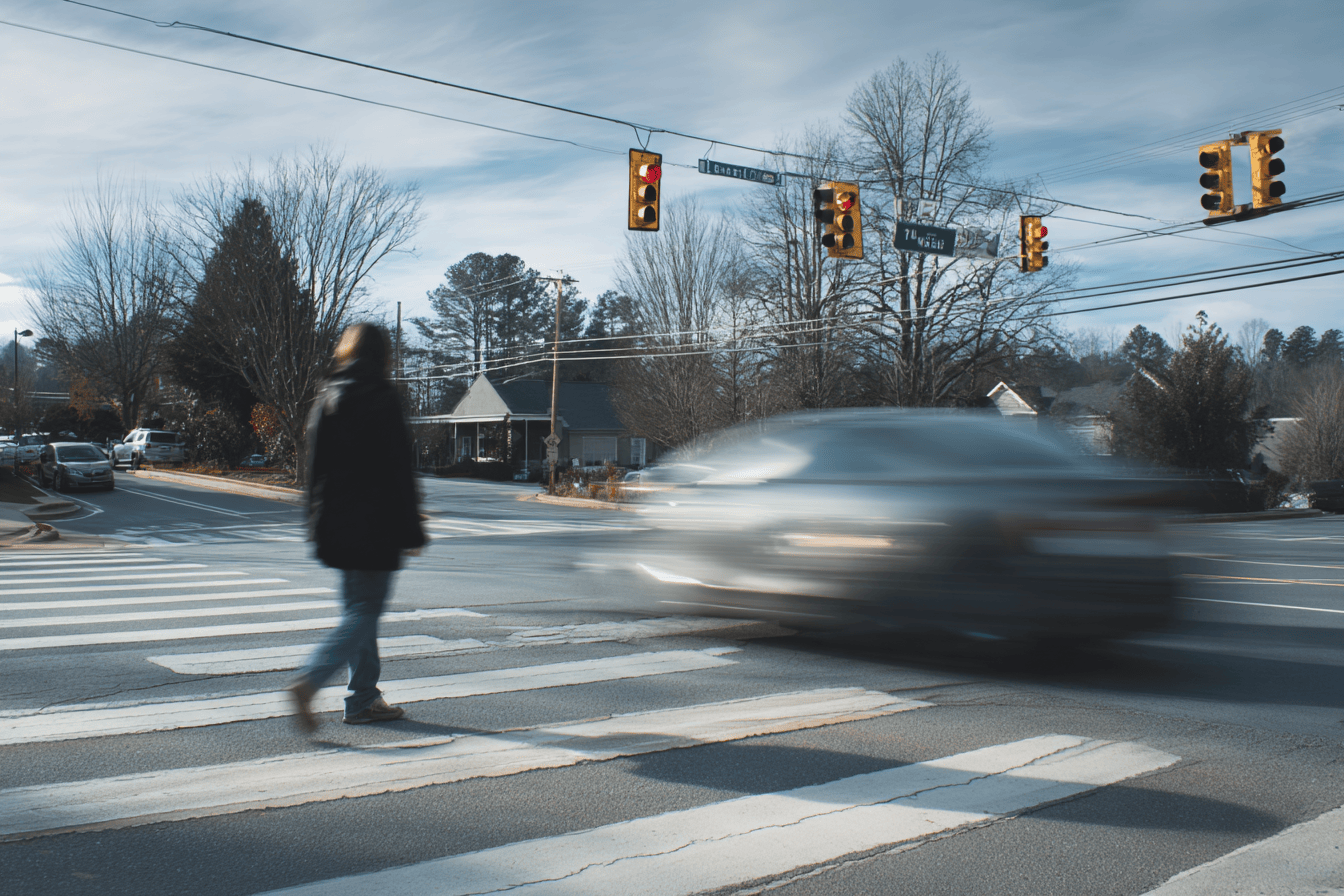
Pedestrian accidents in Las Vegas can leave victims with serious injuries, mounting medical bills, and no clear idea of what compensation they might recover. Even a low-speed impact on the Strip or a neighborhood street can cause fractures, head trauma, or long-term disability. Victims often struggle to navigate insurance claims while dealing with lost wages and physical pain. Insurance companies frequently offer low initial settlements or dispute the severity of injuries, leaving families uncertain and stressed.
The challenge grows when Nevada’s comparative negligence rules and strict claim deadlines come into play. Without knowing how compensation is calculated, many victims accept far less than their case is worth. Factors such as medical costs, lost income, emotional suffering, and fault all influence settlement value, and insurers work hard to minimize payouts.
In this article, you will discover average pedestrian accident compensation in Las Vegas, the key factors that affect payout amounts, and how a Las Vegas pedestrian accident attorney can help you pursue full and fair compensation.
What Is the Average Pedestrian Settlement in Las Vegas?
Las Vegas settlements tend to be higher than rural Nevada because medical costs are greater and traffic situations are more complex.
Settlement Ranges by Injury Severity
Your potential compensation is directly tied to how serious your injuries are. Here’s what you might expect based on the level of harm you suffered:
- Minor injuries such as road rash or simple fractures typically result in lower settlement amounts than more serious injuries.
- Moderate injuries requiring surgery or hospital stays: potential compensation varies widely depending on the severity of the injuries and the specifics of the case.
- Severe injuries causing permanent disability often result in substantially higher settlement amounts due to long-term medical care, ongoing treatment, and reduced earning capacity.
- Catastrophic injuries or wrongful death often lead to substantially larger settlements.
The more your injuries impact your daily life and future, the higher your potential settlement becomes.

What Factors Increase or Decrease Your Payout?
Several key factors determine whether your settlement will be on the higher or lower end of the range. The most important is fault determination under Nevada’s comparative negligence rule.
Nevada’s comparative negligence rule means you cannot recover any money if you are 51% or more at fault for the accident. If you are partially at fault but less than 51%, your settlement gets reduced by your percentage of fault.
As former insurance defense attorneys, we know exactly how insurers try to shift blame to pedestrians and reduce payouts. We use this insider knowledge to protect you from these tactics.
| Factors That Increase Your Settlement | Factors That Decrease Your Settlement |
| Driver was drunk, speeding, or texting | You were jaywalking or ignored signals |
| You were in a crosswalk | You have pre-existing medical conditions |
| Your injuries are permanent or visible | The driver has low insurance limits |
| Clear video evidence exists | Witnesses disagree about what happened |
| High medical bills and lost wages | You delayed getting medical treatment |
What Damages Can You Recover After a Pedestrian Accident?
Nevada law recognizes three types of damages you can claim after being hit by a car. Understanding these categories helps you know what money you’re entitled to seek.
Economic Damages
Economic damages are your measurable financial losses that you can prove with bills and receipts. These include all the money the accident cost you and represent just one of several types of damages available in personal injury cases:
- Medical expenses: Emergency room visits, surgeries, physical therapy, medications, and medical equipment
- Lost wages: Income you missed while unable to work during recovery
- Future medical costs: Ongoing treatment, rehabilitation, and care you’ll need
- Reduced earning capacity: If your injuries prevent you from returning to your previous job or working full-time
Non-Economic Damages
These damages compensate you for the personal impact the accident had on your life. They don’t have receipts but are just as real and important:
- Pain and suffering: Physical pain from your injuries and treatments
- Emotional distress: Anxiety, depression, or PTSD from the trauma
- Loss of enjoyment: Unable to participate in activities you once loved
- Scarring and disfigurement: Permanent visible injuries that affect your appearance
Punitive Damages
Punitive damages are rare and only awarded when the driver’s behavior was extremely reckless. Examples include drunk driving, road rage, or deliberately hitting you. These damages punish the driver rather than compensate you for losses.
How Are Pedestrian Settlements Calculated?
Insurance companies use specific formulas to determine settlement offers. Knowing how they calculate this helps you understand whether their offer is fair.
Base Economic Value
The calculation starts by adding up all your documented financial losses. The adjuster totals your current and future medical expenses, lost income during recovery, and any reduced earning ability going forward.
Pain and Suffering Multipliers
Next, the adjuster multiplies your economic damages by a number between 1.5 and 5 to calculate your pain and suffering compensation. More severe injuries get higher multipliers, while minor injuries get lower ones.
Factors that increase your multiplier include permanent disabilities, long recovery times, and significant impact on your daily activities. Factors that decrease it include quick healing and minimal lifestyle changes.
Reductions for Shared Fault
Finally, the total calculated value gets reduced by any percentage of fault assigned to you. For example, if your damages total $100,000 but you’re found 20% at fault for jaywalking, your settlement becomes $80,000.
Does Jaywalking Reduce Compensation in Nevada?
Jaywalking does not automatically prevent you from getting compensation in Nevada. While crossing outside a crosswalk can reduce your settlement if it contributed to the accident, drivers still have a legal duty to try to avoid hitting pedestrians.
Even if you were jaywalking, you can still recover money as long as you’re less than 51% at fault for the accident. We investigate whether the driver was speeding, distracted, or had time to see you and stop.
Many factors beyond where you crossed affect fault determination:
- Driver behavior: Was the driver texting, drunk, or speeding?
- Visibility conditions: Was it dark, raining, or was the sun in the driver’s eyes?
- Time to react: Did the driver have enough time and distance to stop?
- Traffic signals: Were you crossing with or against the light?
We work to minimize your fault percentage and maximize your recovery, even in jaywalking cases.
Who Pays if It’s a Hit and Run or the Driver Is Uninsured?
If the driver who hit you fled the scene in a hit-and-run accident or doesn’t have insurance, you still have options for getting your medical bills paid and receiving compensation.
Your own auto insurance can cover you even though you were a pedestrian, not a driver. If you own a car, your Uninsured/Underinsured Motorist (UM/UIM) coverage applies to pedestrian accidents.
Other potential payment sources include:
- Health insurance: Covers immediate medical bills but may seek reimbursement from any settlement
- Medical payments coverage: From your auto policy, pays medical bills regardless of fault
- Crime victim compensation: State funds available for hit-and-run victims
- Household member’s auto policy: If you don’t own a car but live with someone who does
We help identify all available insurance coverage to maximize your recovery when the at-fault driver can’t be found or lacks adequate insurance.
How Long Do Las Vegas Pedestrian Claims Take?
The time it takes to resolve a pedestrian accident claim in Las Vegas varies widely depending on injury severity, available evidence, and whether you need to file a personal injury lawsuit. Cases involving severe injuries or disputed fault often take longer to resolve, especially if a lawsuit becomes necessary.
The timeline typically breaks down into three phases:
- Treatment and investigation: You focus on healing while we gather evidence such as police reports, witness statements, and medical records.
- Negotiation phase: Once you’ve reached maximum medical improvement, we send a demand letter and negotiate with the insurance company.
- Litigation phase: If the insurer refuses to offer a fair settlement, we file a lawsuit and prepare for trial.
We handle all legal deadlines and paperwork while you focus on your recovery. You don’t need to worry about missing important dates or filing requirements.
What Nevada Laws Affect Pedestrian Claims?
Several key Nevada laws significantly impact your pedestrian accident claim. Nevada’s statute of limitations gives you exactly two years from your accident date to file a lawsuit. If you miss this deadline, you lose your right to seek compensation forever, regardless of how strong your case is.
Nevada’s pedestrian right-of-way laws require drivers to yield to pedestrians in both marked and unmarked crosswalks. Even when you’re outside a crosswalk, drivers must exercise reasonable care to avoid hitting you if possible.
The state’s modified comparative fault rule means you can only recover damages if you’re 50% or less at fault. Your compensation gets reduced by your percentage of fault, but you can still receive money even if you contributed to the accident.
Steps to Take After a Pedestrian Accident
The actions you take immediately after being hit by a car are critical for both your health and your ability to recover fair compensation. Following these steps protects your legal rights and strengthens your case.
- Call 911 immediately: Request both police and paramedics, even if you feel fine
- Accept medical attention: Let paramedics evaluate you; adrenaline can mask serious injuries
- Document everything: Take photos of your injuries, the vehicle, license plate, and scene
- Get witness information: Ask anyone who saw the accident for their name and phone number
- Avoid admitting fault: Don’t apologize or say anything that sounds like you’re taking blame
- Keep all paperwork: Save every medical bill, prescription receipt, and work absence documentation
- Contact us before insurers: Get legal advice before giving any statement to insurance companies
Don’t refuse medical treatment even if you feel okay. Many serious injuries, like concussions, internal bleeding, spinal cord injuries, and soft tissue damage, don’t show symptoms immediately but can be life-threatening if untreated.
How Ladah Injury & Car Accident Lawyers Las Vegas Maximizes Your Recovery
Our background as former insurance defense attorneys gives us a unique advantage in pedestrian cases. We know exactly how insurance companies evaluate pedestrian claims and determine how much your case is worth because we used to work for them, and we use this knowledge to prevent them from minimizing your compensation.
We have a strong track record of recovering significant compensation for our clients by using this insider knowledge to build stronger cases and negotiate better settlements.
We maximize your recovery through:
- Immediate investigation: We preserve critical evidence like surveillance video from nearby businesses before it gets deleted
- Medical expert network: We work with doctors who understand the long-term impact of pedestrian injuries
- Aggressive negotiation: We prepare every case for trial, which forces insurers to take our demands seriously
- 24/7 client support: You can reach us anytime with questions or concerns about your case
Our contingency fee structure means you pay us nothing until we win your case. We advance all case expenses and only get paid when you receive your settlement.
Find Out How Much Your Pedestrian Accident Case Is Worth
Every pedestrian accident case is unique, and online calculators can’t account for Nevada’s specific laws or your individual circumstances. The only way to know what your case is truly worth is to speak with an experienced attorney.
During your free consultation, we will:
- Review your accident details and analyze the police report
- Examine your medical records to understand the full extent of your injuries
- Calculate your total damages including future medical costs and lost earning capacity
- Provide an honest assessment of what your case may be worth
- Explain your legal options and the best path forward
Remember, Nevada’s two-year deadline is strict and absolute. Don’t wait to protect your rights, contact us today for your free case evaluation.
We’re available 24/7 to answer your questions and start working on your case immediately. The sooner you call, the better we can preserve evidence and build a strong claim for maximum compensation.

Frequently Asked Questions
What Is the Typical Settlement Range for Different Types of Pedestrian Injuries in Las Vegas?
Minor injuries such as bruises and simple fractures tend to lead to lower settlement amounts, while moderate injuries that require surgery typically result in higher compensation. Severe permanent injuries can result in substantial compensation, while catastrophic injuries or wrongful death cases may lead to significantly higher awards.
Can I Still Get Money if I Was Jaywalking When the Car Hit Me?
Yes, you can still recover compensation in Nevada as long as you are found 50% or less at fault for the accident. Your settlement will be reduced by your percentage of fault, but jaywalking alone doesn’t prevent you from getting money.
How Do Uninsured Motorist Benefits Work for Pedestrians in Hit-and-Run Cases?
Your own auto insurance policy’s Uninsured/Underinsured Motorist coverage applies even when you’re hit as a pedestrian. This coverage can pay for your medical bills, lost wages, and pain and suffering when the at-fault driver flees or has no insurance.
Who Pays My Medical Bills Right Now and Will I Have to Pay Money Back from My Settlement?
Your health insurance or medical payments coverage typically pays initial medical bills. These insurers may have a right to be reimbursed from your final settlement, but we negotiate to reduce these reimbursement amounts.
Are Pedestrian Accident Settlements Taxable Income?
Compensation for physical injuries and medical expenses is not taxable under federal law. However, any portion of your settlement specifically allocated to lost wages or punitive damages may be subject to income tax.
I’m Visiting Las Vegas from Another State. Where Do I File My Claim?
You must file your pedestrian accident claim in Nevada since that’s where the accident happened. Nevada law applies to your case regardless of where you live, making local legal representation essential.
How Long Do I Have to File a Lawsuit After My Pedestrian Accident?
Nevada’s statute of limitations gives you exactly two years from your accident date to file a personal injury lawsuit. Missing this deadline means you lose your right to seek compensation forever, regardless of how strong your case is.