
The most common pedestrian accident injuries in Las Vegas include traumatic brain injuries, broken bones, and spinal cord damage. Pedestrians are unprotected, so impacts often also cause pelvic and hip fractures, internal organ injuries, ligament tears, and severe soft tissue damage. Even low-speed collisions can result in life-altering injuries, emergency surgery, and long-term physical or cognitive impairments.
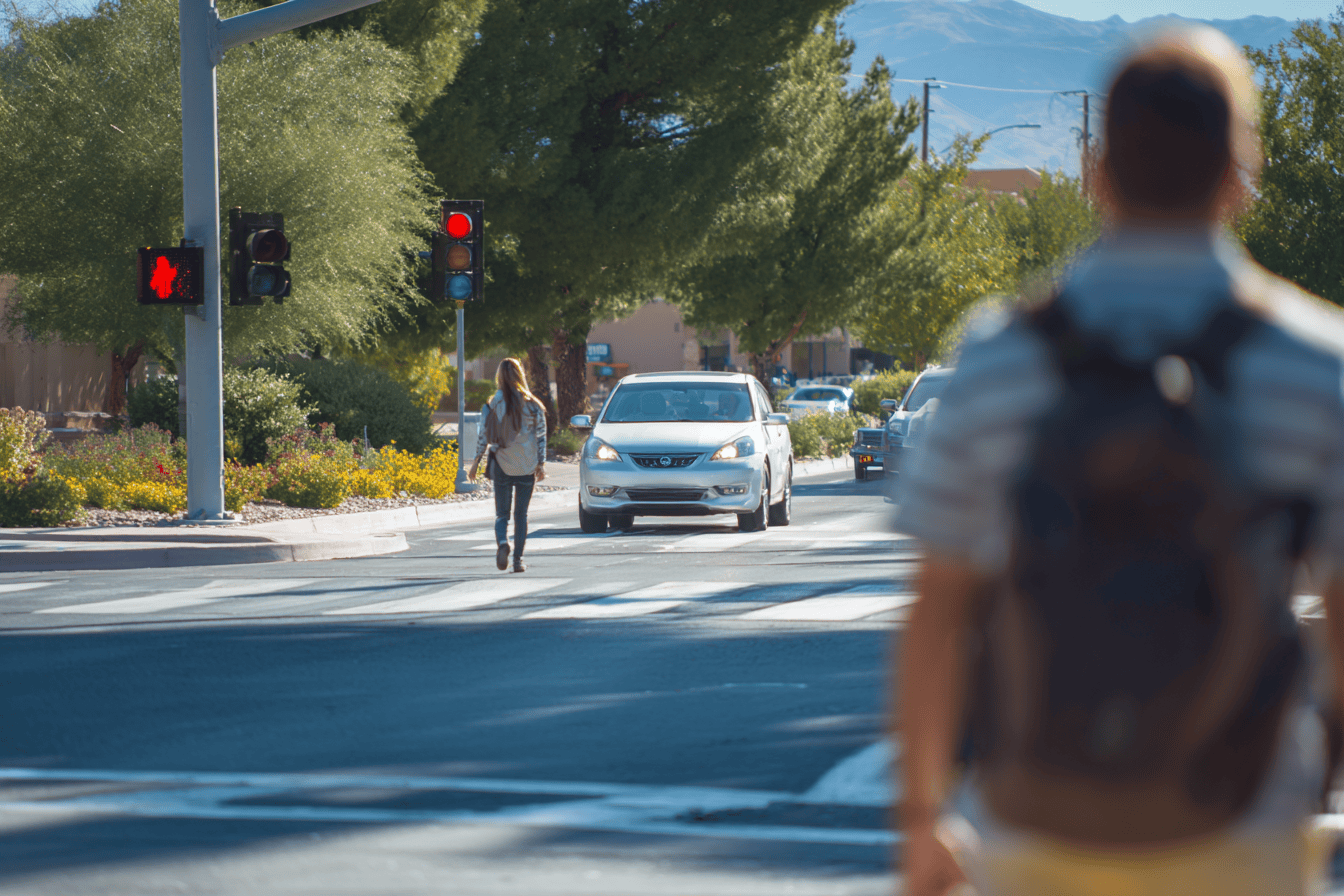
Being struck by a vehicle as a pedestrian in Las Vegas can cause devastating injuries in a matter of seconds. Victims are completely unprotected, often suffering traumatic brain injuries, broken bones, spinal damage, or internal bleeding. Accidents on wide, high-speed roads and busy tourist corridors can leave pedestrians severely hurt before they realize what happened. Even crashes that appear minor can hide serious internal injuries. Many victims face emergency surgery, long hospital stays, and months of recovery. Daily life, work, and independence can change overnight.
The danger is that pedestrian injuries are frequently more severe than they first appear. Symptoms like internal bleeding or brain trauma may not be obvious right away, giving insurance companies room to downplay claims. Drivers and insurers may shift blame onto pedestrians, delay care, or push low settlements before the full extent of injuries is known. Waiting too long to act can harm both your health and your legal rights.
In this article, you will discover the most common pedestrian accident injuries in Las Vegas, critical warning signs to watch for, and how a pedestrian accident attorney in Las Vegas can help protect your right to full and fair compensation.
What Pedestrian Injuries Happen Most in Las Vegas?
When a vehicle strikes a person on foot, the resulting injuries are often severe and life-changing. A vehicle collision can inflict catastrophic injuries on an unprotected person.
Traumatic Brain Injuries
A traumatic brain injury, or TBI, is brain damage caused by a sudden impact or jolt to the head. This happens when your head strikes the vehicle, pavement, or another object during the accident.
TBI symptoms range from mild concussions with headaches and confusion to severe brain damage requiring lifelong care. Children face higher TBI risk because their heads are at the same height as vehicle grills and bumpers.
Even a mild concussion can affect your memory, concentration, and ability to work. Severe brain injuries may leave you unable to care for yourself or recognize family members.

Spinal Cord Damage
Spinal cord injuries occur when the force of impact damages the nerves in your spine. This can happen when you land hard on your back or neck after being struck.
These injuries can cause partial or complete paralysis below the point of damage. You may lose the ability to walk, use your arms, or control basic body functions.
Emergency surgery and months of intensive rehabilitation are often required. Many victims never regain full mobility and need lifelong medical care.
Fractures and Broken Bones
Vehicle impacts easily break bones throughout your body. The most common fracture locations include:
- Legs and shinbones: Direct contact with the car’s bumper
- Arms: Defensive positioning during impact
- Ribs: Secondary impact with the ground or vehicle
- Hips and pelvis: Vehicle grill strikes at hip level for adults
Compound fractures occur when broken bone pierces through your skin. These injuries require immediate surgery, casting, and may cause permanent mobility problems.
Pelvis and Hip Injuries
Vehicle grills typically strike adult pedestrians at hip level, causing devastating pelvic and hip fractures. These injuries are extremely painful and difficult to heal properly.
Hip replacement surgery is often necessary, followed by months of physical therapy. Elderly pedestrians face higher risks of complications and may never regain full mobility.
Leg and Knee Ligament Tears
The sudden twisting motion from vehicle impact commonly tears knee ligaments like the ACL or MCL. These injuries are debilitating and require reconstructive surgery.
Recovery may involve physical therapy. Even after treatment, you may experience permanent knee instability and chronic pain that affects your daily activities.
Shoulder and Upper Body Injuries
When thrown onto a vehicle’s hood or windshield, you often sustain serious upper body injuries. Common injuries include rotator cuff tears, separated shoulders, and broken collarbones.
Injuries to your dominant arm significantly impact your ability to work and perform everyday tasks. Multiple surgeries may be required to restore function.
Internal Organ Damage and Bleeding
Blunt force trauma can damage internal organs like your liver, spleen, kidneys, and lungs without visible external injuries. Internal bleeding is life-threatening because symptoms may not appear immediately.
You might feel fine initially, then suddenly collapse from blood loss hours later. This is why immediate medical evaluation is critical after any pedestrian accident.
Facial and Dental Trauma
Face-first impacts with vehicles or pavement cause severe facial injuries. These include broken facial bones, knocked-out teeth, eye injuries, and permanent scarring.
Reconstructive surgery is often extensive and costly. The emotional trauma from facial disfigurement can be just as devastating as the physical injuries.
Soft Tissue Damage
Soft tissue refers to your muscles, tendons, and ligaments. Whiplash occurs when your head snaps back and forth violently during impact.
These “invisible” injuries cause chronic pain despite no broken bones being present. Insurance companies often try to minimize soft tissue injuries, but they can be permanently disabling.
Psychological Trauma and PTSD
Post-Traumatic Stress Disorder (PTSD) is a lasting mental health condition that develops after experiencing trauma. Symptoms include nightmares, anxiety near traffic, and depression.
These psychological injuries are real medical conditions that deserve compensation. Many victims require years of therapy to overcome their fear of crossing streets or being around vehicles.
Signs and Delayed Symptoms to Watch for After a Crash
Adrenaline floods your system immediately after an accident, masking pain and other injury symptoms. Serious injuries may not show symptoms for hours or even days after the impact.
Red Flag Symptoms Requiring Emergency Care
Seek emergency medical attention immediately if you experience any of these warning signs:
- Loss of consciousness, even briefly
- Severe headache that gets worse over time
- Repeated vomiting or nausea
- Clear fluid draining from your nose or ears
- Seizures or convulsions
- Extreme drowsiness or difficulty staying awake
Delayed Brain Injury Signs
Symptoms of a brain injury may not appear right away and can develop later. Watch for personality changes, memory problems, confusion, and balance issues.
These delayed symptoms indicate potential brain swelling or bleeding that requires immediate medical attention. Don’t assume you’re fine just because you felt okay initially.
Neck and Back Warning Signs
Progressive numbness, shooting pain, or muscle weakness in your arms or legs may indicate spinal damage. These symptoms can worsen rapidly without proper treatment.
Nerve damage can become permanent if not addressed quickly. Any tingling or loss of sensation requires immediate medical evaluation.
Abdominal Pain or Swelling
Pain in your abdomen, especially with swelling or deep bruising, can signal internal bleeding. This is a life-threatening emergency requiring immediate hospital treatment.
Internal bleeding can cause you to go into shock and die within hours. Never ignore abdominal pain after a pedestrian accident.
How Pedestrian Injuries Happen in Las Vegas
Las Vegas presents unique dangers for pedestrians due to heavy tourist foot traffic, wide multi-lane boulevards, and high-speed traffic. The city’s 24-hour activity creates constant pedestrian-vehicle conflicts.
Most pedestrian accidents follow a three-point impact pattern that causes multiple injuries simultaneously.
Bumper, Knee, and Leg Impact
The vehicle’s bumper first strikes your legs or knees, depending on your height. This initial contact often breaks bones and tears ligaments in your lower body.
Children may receive head impacts at bumper height, making their injuries even more severe. The force transfers through your leg bones, often causing fractures up to your hip.
Grill, Hip, and Pelvis Impact
As your body rotates from the initial impact, the vehicle’s grill strikes your hip and pelvis area. This secondary impact often causes the most severe crushing injuries.
Your body becomes trapped between the vehicle and the pavement, multiplying the force of impact. Pelvic fractures from this mechanism are often life-threatening.
Windshield, Head, and Shoulder Impact
The final impact occurs when you’re thrown onto the vehicle’s hood and windshield. Your head and shoulders absorb tremendous force during this contact.
This explains why head injuries are so common in pedestrian accidents. The severity increases dramatically with vehicle speed – even a 5 mph difference can mean life or death.
Nighttime and Left-Turn Crashes
Reduced visibility at night can contribute to fatal pedestrian accidents. Even the bright lights of the Las Vegas Strip don’t prevent all accidents.
When to See a Doctor and What Tests Help
Seeking immediate medical care saves lives and strengthens your legal claim. Insurance companies use any delay in treatment to argue that your injuries aren’t serious.
Emergency Room or Urgent Care Timeline
Go to the emergency room immediately for severe symptoms like unconsciousness, suspected broken bones, or intense pain. The golden hour after trauma is critical for survival.
Visit urgent care within 24 hours for any pain or discomfort, even if it seems minor. Many serious injuries have delayed symptoms that appear hours later.
CT, MRI, and X-Ray Use
Different medical tests serve specific purposes in diagnosing your injuries:
- X-rays: Show broken bones and fractures
- CT scans: Reveal brain bleeds, organ damage, and complex fractures
- MRI scans: Detect soft tissue damage, spinal cord injuries, and ligament tears
Documenting Pain and Limitations
Keep a detailed pain journal recording your daily symptoms, pain levels, and activities you can’t perform. This documentation becomes crucial evidence for your legal case.
Note how your injuries affect your sleep, work, and relationships. Insurance companies need proof of how the accident changed your life.
Follow-up with Specialists
Your doctor may refer you to specialists like orthopedic surgeons, neurologists, or pain management doctors. These referrals create important medical records linking your ongoing problems to the accident.
Don’t skip appointments or delay treatment. Gaps in your medical care give insurance companies ammunition to deny your claim.
What Compensation Covers After a Pedestrian Injury
Nevada law entitles injured pedestrians to full compensation for all accident-related losses. A pedestrian accident claim can provide the financial resources you need to recover and rebuild your life.
Medical Bills and Future Care
Your compensation should cover all medical expenses related to the accident, including:
- Emergency room treatment and ambulance rides
- Surgery and hospital stays
- Physical therapy and rehabilitation
- Medical equipment like wheelchairs or crutches
- Home modifications for accessibility
- Future surgeries and ongoing care
Lost Income and Earning Capacity
If your injuries prevent you from working, you can recover lost wages from missed time. This includes sick days, vacation time, and unpaid leave you had to take.
Lost earning capacity covers your reduced ability to make money in the future. If your injuries prevent you from returning to your previous job or working full-time, you deserve compensation for this financial loss.
Pain, Suffering, and Loss of Enjoyment
Non-economic damages compensate you for the physical pain, emotional distress, and reduced quality of life caused by your injuries. While money can’t erase your suffering, it acknowledges the profound impact on your life.
This includes compensation for activities you can no longer enjoy, hobbies you had to give up, and the emotional trauma of the accident.
Wrongful Death Damages
If you lost a family member in a fatal pedestrian accident, you may file a wrongful death claim. This provides compensation for funeral costs, lost financial support, and loss of companionship.
Nevada’s two-year filing deadline makes it crucial to contact an attorney immediately after losing a loved one.
Related: What’s the Average Payout for Pedestrian Hit by Car?
What to Do After Being Hit as a Pedestrian
The moments after being struck by a vehicle are chaotic and frightening. The steps you take immediately can protect both your health and your legal rights.
Get Medical Care
Your health is the top priority. Call 911 for emergency medical assistance, even if you think your injuries are minor.
Accept ambulance transport to the hospital. This creates important medical documentation linking your injuries to the accident. Insurance companies can’t argue that your injuries came from somewhere else if you went directly from the accident scene to the hospital.
Call Police and Get Report Number
Nevada law requires reporting accidents involving injury or significant property damage. The police report becomes crucial evidence for your case.
Get the police report number before leaving the scene. This official document includes the officer’s observations about fault and the accident circumstances.
Preserve Evidence and Photos
If you’re physically able, take photos of your injuries, the accident scene, and the vehicle that hit you. Document skid marks, traffic signals, and weather conditions.
These photos preserve evidence that may disappear quickly. Road crews clean up debris, vehicles get repaired, and your visible injuries heal over time.
Avoid Recorded Statements
Insurance adjusters will contact you quickly, often within hours of the accident. They’ll seem friendly and helpful while asking for a recorded statement about what happened.
Don’t give any recorded statements without an attorney present. Adjusters are trained to ask questions that make you accidentally admit fault or minimize your injuries.
Call Ladah Injury & Car Accident Lawyers Las Vegas
Contact us immediately after your pedestrian accident. We investigate while evidence is fresh and witnesses’ memories are clear.
Our background as former insurance defense attorneys gives us insider knowledge of how insurance companies build their cases. We handle all insurance communications so you can focus on healing.
We’re available 24/7 and work on a contingency fee basis, you pay nothing unless we win your case.
Injured Walking in Las Vegas?
We understand the overwhelming challenges you face after being hit by a vehicle. The physical pain, mounting medical bills, and uncertainty about the future can feel impossible to handle alone.
At Ladah Injury & Car Accident Lawyers Las Vegas, we’ve helped thousands of pedestrian accident victims navigate this difficult journey. Our team has secured significant compensation for injured clients throughout Nevada.
Insurance companies start building their defense from the moment an accident happens. They have teams of lawyers and investigators working to minimize what they pay you. You need experienced representation fighting just as hard for your interests.
Our award-winning attorneys are recognized for their ability to win complex cases and maximize client recovery. We stop at nothing to ensure you receive the compensation you deserve for your injuries and losses.
Contact us to schedule a free case evaluation today.

Frequently Asked Questions
What Is the Most Common Pedestrian Injury in Las Vegas?
Leg fractures and traumatic brain injuries occur most frequently because vehicles typically strike pedestrians at leg level, causing them to fall and hit their head on the vehicle or pavement.
Do Pedestrians Always Have the Right of Way in Nevada?
Pedestrians have the right of way in marked crosswalks and at intersections, but they must also exercise reasonable care and cannot suddenly enter traffic where drivers can’t see them.
How Long Do I Have to File a Pedestrian Accident Claim in Nevada?
You have two years from the accident date to file a personal injury lawsuit, but evidence disappears quickly, so you should contact an attorney immediately.
What if the Driver Who Hit Me Left the Scene?
Hit-and-run victims can still recover compensation through uninsured motorist coverage or by finding the fleeing driver through investigation and surveillance footage.
Can I Still Get Compensation if I Was Outside a Crosswalk?
Yes, Nevada’s comparative negligence law allows you to recover damages as long as you’re less than 51% at fault for the accident.
Will My Health Insurance Affect My Settlement Amount?
Your health insurance may have rights to reimbursement from your settlement, but we negotiate to minimize these liens and maximize what you keep.