
After a car accident in Clark County, call 911, document the scene, seek medical attention, and contact an attorney. Check for injuries and stay at the scene if it is safe to do so. Exchange insurance and contact information, take photos of vehicles, injuries, and road conditions, and report the crash to police and your insurer without admitting fault.
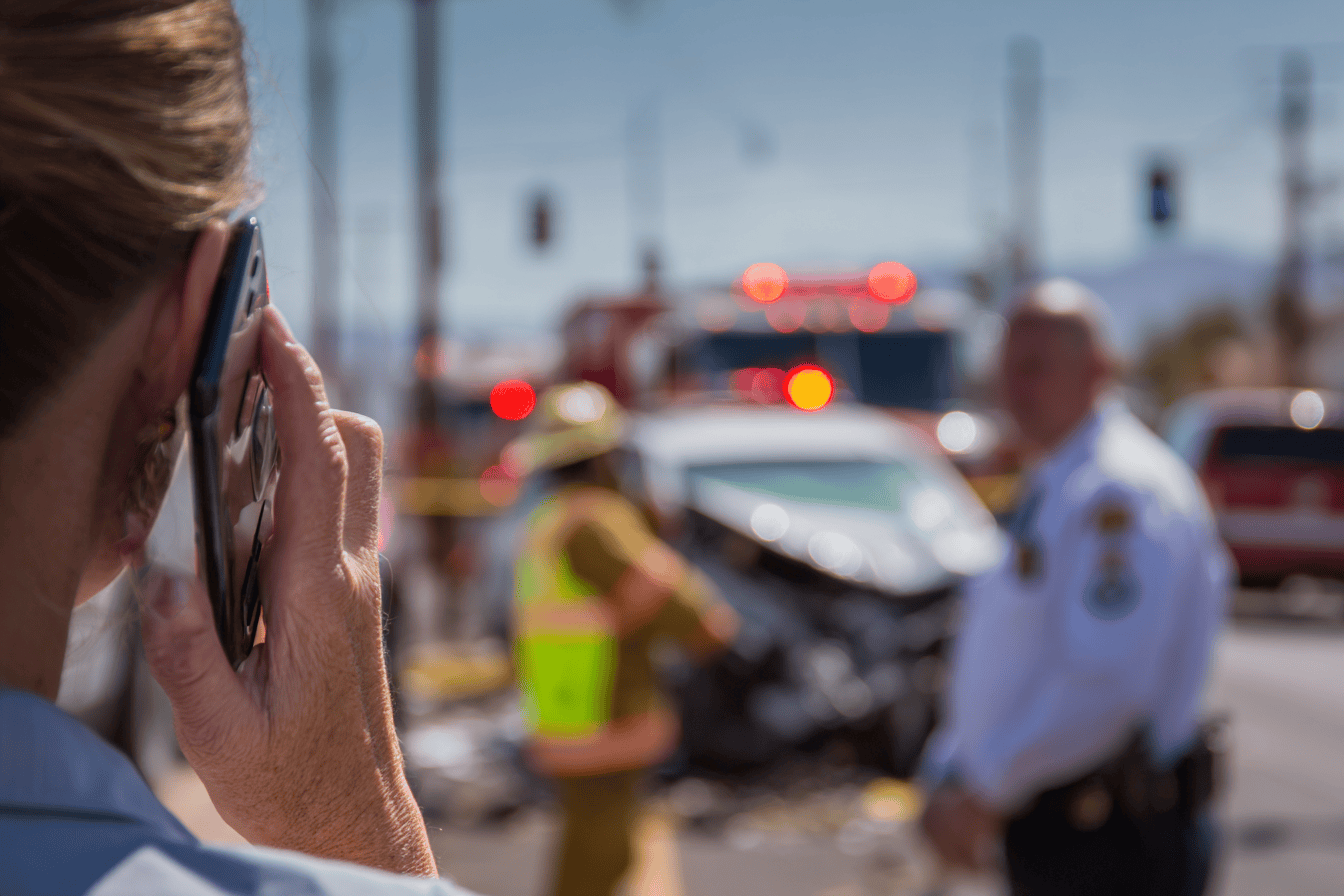
A car accident in Clark County can leave you shaken, injured, and unsure what to do next. In the moments after a crash, adrenaline and confusion can make it hard to think clearly. Medical concerns, vehicle damage, and pressure from other drivers or witnesses often collide at once. Many people worry about saying or doing the wrong thing. Small mistakes made at the scene can have lasting legal and financial consequences.
Nevada law imposes specific duties after a crash, and failing to follow them can hurt your claim. Leaving the scene too early, failing to document evidence, or delaying medical care gives insurance companies reasons to deny or reduce compensation. When stress takes over, important steps are often missed. Those missteps can turn a straightforward claim into a prolonged legal battle.
In this article, you will discover exactly what to do after a car accident in Clark County, the steps you must take immediately, and how a car accident attorney can help you protect your rights and pursue fair compensation.
Immediate Steps After Your Accident
Check for Injuries and Call 911
Your safety comes first after any car accident. Check yourself and your passengers for injuries, then look at the other vehicles if you can do so safely.
Even if you feel fine, call 911 right away. Adrenaline is a hormone your body releases during stressful situations. This means you might not feel pain or notice injuries immediately after a crash.
When you call 911, give the dispatcher this information:
- Location: The exact street intersection or mile marker where the accident happened
- Injuries: Any pain, bleeding, or obvious injuries you can see
- Vehicle Count: How many cars, trucks, or motorcycles were involved
- Hazards: Leaking fluids, fire, or vehicles blocking traffic lanes
Clark County emergency services will send the right help. The Las Vegas Metropolitan Police Department handles city streets, while Nevada Highway Patrol responds to highway accidents.
Stay at the Scene and Help Others
Nevada law requires you to remain at the accident scene. Leaving before police arrive is called a hit-and-run, which can result in serious criminal charges even for minor accidents.
You must also provide “reasonable assistance” to injured people. This means calling for medical help and staying with hurt people until paramedics arrive. Do not move someone who appears seriously injured unless they are in immediate danger from fire or traffic.

Should You Move Your Vehicle After a Clark County Crash?
Clark County has some of the busiest roads in Nevada. A stopped vehicle can create serious dangers for you and other drivers.
Turn on Hazard Lights and Move to Safety
Turn on your hazard lights immediately to warn approaching drivers. If your vehicle can move and no one has serious injuries, drive to the nearest safe location.
Look for these safe spots in order of preference:
- Parking Lot: Any nearby business parking area
- Side Street: A quiet residential street away from traffic
- Shoulder: The emergency lane on highways
- Median: Only if no shoulder exists and it is wide enough
This step is especially important on busy Clark County roads like the Las Vegas Strip, Interstate 15, or the 215 Beltway where stopped vehicles cause additional accidents.
Clear Traffic Lanes When Possible
Nevada law requires drivers to move drivable vehicles out of travel lanes. You can take photos of the damage after moving to safety, protecting lives is more important than preserving the exact accident scene.
If your vehicle cannot move, turn on hazard lights and try to get everyone away from the roadway while waiting for help.
Do You Need to Call Police and Get a Report in Clark County?
A police report is an official document that records what happened in your accident. This report becomes crucial evidence for insurance claims and legal cases.
When to Call LVMPD or Nevada Highway Patrol
Nevada law requires you to report any accident that causes injury or property damage over $750. Since even minor damage often exceeds this amount, you should call the police for almost every accident.
Always call police if:
- Anyone Claims Injury: Even if injuries seem minor
- Suspected Impairment: If any driver appears intoxicated or impaired
- Hit and Run: If any driver leaves the scene
- Disputed Facts: If drivers disagree about what happened
- Significant Damage: If any vehicle needs towing
As noted earlier, LVMPD handles Las Vegas city streets, while Nevada Highway Patrol covers state highways and freeways.
How to Get Your Police Report
Police reports are available from the responding agency after they process the case, use the case number the officer gives you to request your report.
You can get LVMPD reports online or at their records division. Nevada Highway Patrol reports are available through their online portal. Keep the original report safe and make copies for your insurance company and attorney.
What Information Must You Exchange with Other Drivers and Witnesses?
Nevada law requires all drivers to exchange specific information before leaving an accident scene. Getting complete and accurate details protects your legal rights.
Driver’s License, Insurance, and Vehicle Details
Use your phone to take clear photos of the other driver’s documents. This prevents errors when writing down information by hand.
Exchange this information with every driver involved:
| Required Information |
| Full name, address, and phone number |
| Driver’s license number |
| Insurance company name and policy number |
| Vehicle make, model, year, and color |
| License plate number and VIN |
| Vehicle owner’s name (if different from driver) |
Be polite but stick to facts. Do not discuss who caused the accident or apologize for what happened.
Witness Names and Contact Information
Independent witnesses provide neutral accounts of your accident. Their statements can be extremely valuable if the other driver changes their story later.
If anyone saw the accident happen, politely ask for their name and phone number. Ask them to briefly describe what they witnessed and write down their account. Most witnesses will leave quickly, so approach them before they drive away.
What Should You Photograph and Document at the Scene?
Your smartphone is a powerful evidence-gathering tool. Take more photos than you think you need, digital storage is cheap, but missing evidence can cost you thousands of dollars.
Vehicle Damage, Plates, and Positions
Document the accident scene thoroughly with your camera. Take wide shots that show the overall scene, then move closer for detailed damage photos.
Essential photos include:
- Vehicle Positions: Wide-angle shots showing where all vehicles ended up
- All Damage: Close-ups of every dent, scratch, and broken part
- License Plates: Clear images of every vehicle’s plate
- Debris Pattern: Broken glass, plastic pieces, or fluid spills on the road
Take photos from multiple angles and distances. Insurance adjusters use these images to understand how the accident happened and estimate repair costs.
Road Conditions, Signs, and Skid Marks
Environmental factors often contribute to accidents. Document everything that might have played a role in your crash.
Photograph these scene details:
- Traffic Controls: Stop signs, traffic lights, or yield signs
- Road Conditions: Wet pavement, construction zones, or potholes
- Visibility Issues: Sun glare, obstructed views, or missing signs
- Evidence of Impact: Skid marks, gouges in pavement, or damaged guardrails
These details help accident reconstruction experts determine what happened and who was at fault.
Visible Injuries and Medical Treatment
Document any visible injuries you or your passengers have suffered. Take photos immediately after the accident, then again over the next few days as bruises develop.
Photograph cuts, bruises, swelling, or torn clothing. If paramedics arrive, note their unit number and which hospital they recommend. This medical documentation links your injuries directly to the accident.
Should You See a Doctor Even if You Feel Okay?
Serious injuries don’t always hurt right away. After a traumatic event, your body floods with adrenaline, which can hide important symptoms for several hours, and sometimes even days, before they become noticeable.
Hidden Injuries and Delayed Symptoms
Common car accident injuries that develop slowly include:
- Whiplash: Neck and shoulder pain that may not appear until days after the collision
- Concussion: Headaches, confusion, or memory problems that worsen over time
- Internal Bleeding: Life-threatening condition with no external signs
- Soft Tissue Damage: Muscle and ligament injuries that cause stiffness the next morning
Early medical attention protects your health and creates important documentation for your insurance claim.
Keep All Medical Records and Follow Treatment Plans
Every medical document becomes evidence that your injuries resulted from the accident. Save all bills, prescriptions, and treatment notes from your doctors.
Follow your doctor’s treatment plan exactly. Insurance companies look for gaps in medical care to argue that your injuries are not serious. Missing appointments or stopping treatment early can hurt your claim’s value.
When Should You Tell Your Insurance Company?
Most insurance policies require “prompt notification” of accidents. This generally means notifying your insurance company as soon as possible after the crash.
Report Promptly but Stick to Facts
When you call your insurance company, provide only basic factual information. Give them the date, time, and location of your accident, along with the other driver’s insurance details and the police report number.
Do not guess about what happened or accept blame for the accident. Say “I don’t know” if you are unsure about any details. Your insurance company will investigate the facts later.
Avoid Recorded Statements Before Legal Advice
Insurance adjusters often request recorded statements immediately after accidents. You have the right to decline these requests until you speak with an attorney.
Recorded statements can be used against you later to reduce your claim’s value. Insurance companies are skilled at asking questions that make you accidentally minimize your injuries or accept partial blame.
What Mistakes Should You Avoid After a Crash?
Certain common mistakes can seriously damage your insurance claim or legal case. Avoiding these errors protects your right to fair compensation.
Do Not Admit Fault or Apologize
Natural human instinct makes people say “I’m sorry” after accidents, but insurance companies can interpret apologies as admissions of guilt. Let police and insurance investigators determine who caused the accident.
You might not know all the factors that contributed to your crash. The other driver might have been texting, speeding, or under the influence, facts that only come out during investigation.
Do Not Post About the Crash on Social Media
Insurance companies routinely search social media profiles for information they can use against injury claims. A simple photo or post can be taken out of context to argue that your injuries are not severe.
Avoid posting anything about your accident, your recovery, or your activities until your case is resolved. Ask family members and friends to avoid posting about your accident as well.
Keep a File of All Records and Expenses
Start organizing accident-related documents immediately. Create a dedicated file folder for all paperwork, including the police report, medical bills, prescription receipts, and repair estimates.
Track every expense related to your accident, including parking fees at medical appointments or ride-sharing costs if your car is being repaired. These small costs add up and are part of your total damages.
What Nevada Laws Affect Your Car Accident Claim?
Understanding Nevada’s specific laws helps you protect your rights and maximize your compensation.
Fault Rules and Comparative Negligence in Nevada
Nevada follows a “modified comparative negligence” system. This means you can still recover compensation even if you were partially at fault for the accident, as long as you were not more than 50% responsible.
Your final compensation gets reduced by your percentage of fault. For example:
- 30% at fault: You receive 70% of your total damages
- If you are found more than 50% at fault, you cannot recover any damages under Nevada law.
We work to minimize your assigned fault percentage and maximize your recovery.
Minimum Insurance Requirements in Nevada
Nevada requires all drivers to carry minimum liability insurance, but these amounts often do not cover serious accident costs.
| Coverage Type | Minimum Amount Required |
| Bodily Injury Liability | $25,000 per person / $50,000 per accident |
| Property Damage Liability | $20,000 per accident |
Many drivers carry only these minimum amounts, which means their insurance might not fully cover your damages if they cause a serious accident.
Statute of Limitations for Injury and Property Claims
Nevada law sets strict time limits for filing lawsuits after car accidents. You have two years from your accident date to file a personal injury lawsuit, and three years to file property damage claims.
Missing these deadlines means losing your right to compensation forever. Beyond the legal deadline, early action preserves critical evidence and witness testimony.
Don’t Wait. Protect Your Rights Now
The decisions you make in the hours and days after your accident can significantly impact your future. Taking action now protects your legal rights and financial recovery.
Free Consultation 24/7. No Fee Unless We Win
We understand you are worried about legal costs while dealing with medical bills and other accident expenses. That is why we offer free consultations 24 hours a day, seven days a week.
We work on a contingency fee basis. This means you pay us nothing unless we win compensation for you. We can meet you at the hospital, your home, or our office, whatever works best for your situation.
How Ladah Injury & Car Accident Lawyers Helps Build Your Case
As former insurance defense attorneys, we know exactly how insurance companies handle claims and what tactics they use to minimize payouts. We use this insider knowledge to fight for maximum compensation.
Our comprehensive approach includes:
- Immediate Investigation: We preserve critical evidence before it disappears or gets destroyed
- Medical Care Coordination: We help you find the right doctors and ensure you get proper treatment
- Insurance Communication: We handle all calls and negotiations so you can focus on recovery
- Full Damage Calculation: We identify all your losses, including future medical costs and lost earning capacity
- Aggressive Representation: We fight tenaciously to maximize your settlement or verdict

Frequently Asked Questions
Do I Need to Call the Police for a Minor Fender Bender in Las Vegas?
Nevada law requires reporting any accident with damage over $750, and even minor-looking damage often exceeds that amount. A police report protects you if the other driver later claims injuries or changes their story about what happened.
Should I Move My Car After a Crash on the Strip or I-15?
If your vehicle is drivable and no one has serious injuries, Nevada law requires you to move it to safety. The Strip and I-15 are extremely dangerous when vehicles block traffic lanes, so move to the nearest safe location immediately.
How Do I Get an LVMPD or NHP Police Report?
LVMPD reports can be obtained online or from the department’s records division using your case number. Nevada Highway Patrol reports can be obtained through their online portal at nvcrashreports.com.
What if the Other Driver Is Uninsured or Flees the Scene?
Call 911 immediately for hit-and-run accidents, then contact your insurance company about uninsured motorist coverage. We can help investigate to identify the at-fault driver and explore all options for compensation.
I Am a Tourist with a Rental Car – What Should I Do Differently?
Follow all the same steps but also notify your rental car company immediately. Keep all documentation since you may need to coordinate claims from your home state, which we can help manage across state lines.
How Long Do I Have to File an Injury Claim in Nevada?
Nevada gives you two years from the accident date to file a personal injury lawsuit, but evidence disappears quickly and witnesses forget details. Contact us immediately for a free consultation to preserve your rights and maximize your recovery.