
In Nevada, motorcycle accident liability and fault is determined by evidence, fault percentages, and applying comparative negligence rules. If you are found more than 50% at fault, you cannot recover damages. Insurers and courts review police reports, witness statements, physical evidence, and traffic violations to decide who is responsible and by how much.
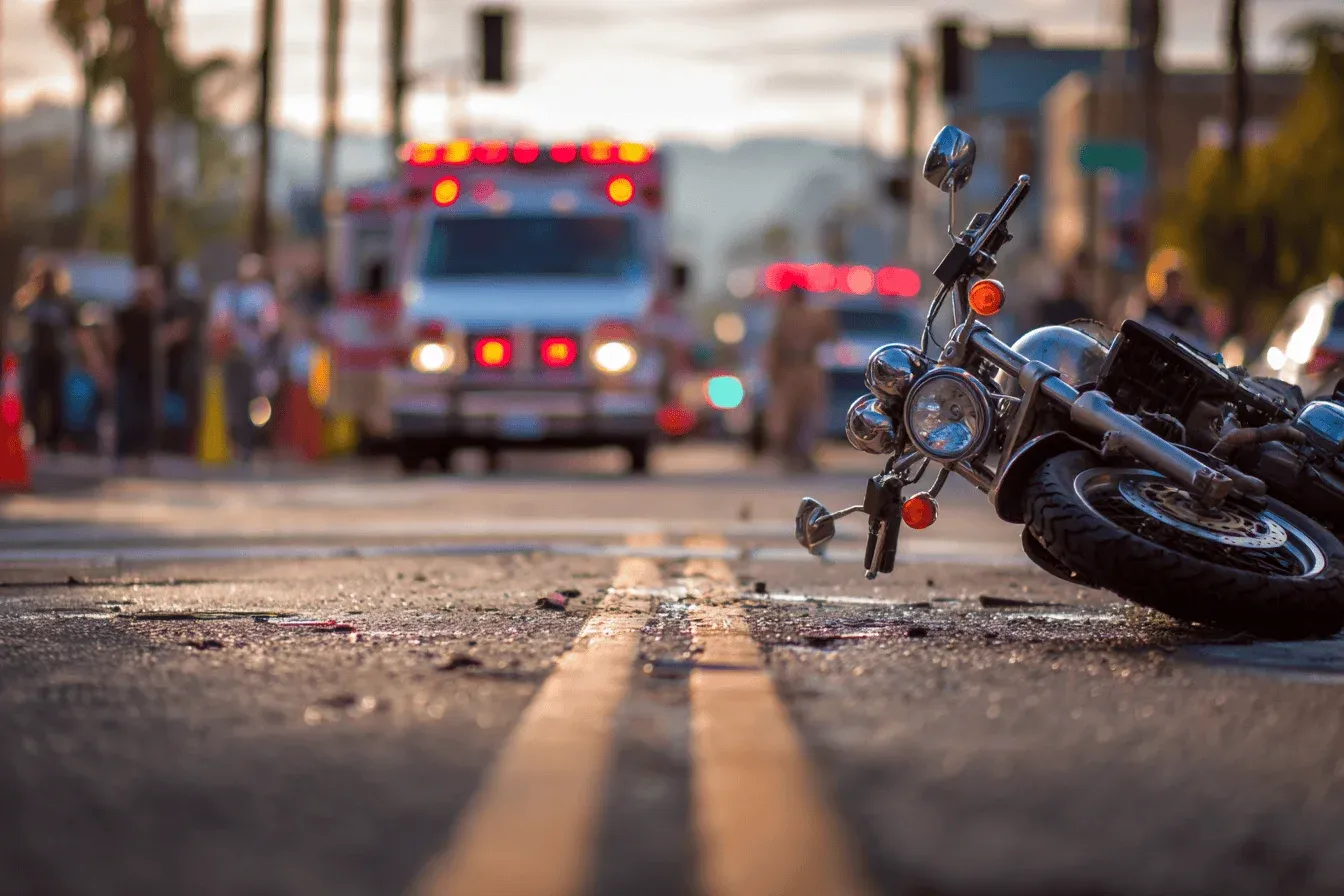
Motorcycle accidents in Nevada often result in serious injuries, from broken bones and road rash to spinal damage and traumatic brain injuries. While you are focused on getting medical treatment and figuring out how to cover your bills, insurance adjusters are reviewing the evidence and looking for ways to place blame on you. A determination that you were even partially at fault can significantly reduce the compensation you receive.
The challenge is that motorcycle riders are often treated unfairly in fault determinations. Insurers may argue you were speeding, lane splitting, or not wearing proper safety gear, using those claims to shift liability and lower your payout. Nevada’s comparative negligence rules give them the tools to do exactly that, and without a clear record of what actually caused the crash, their version of events can carry more weight than yours.
In this article, you will discover how motorcycle accident liability and fault is determined in Nevada, what factors have the biggest impact on your case, and how a motorcycle accident attorney in Las Vegas can help you protect your rights and pursue full compensation.
What Is Comparative Negligence in Nevada Motorcycle Accidents?
Nevada determines fault in motorcycle accidents using a system called modified comparative negligence. This means multiple people can share responsibility for causing a crash. Under Nevada law NRS 41.141, you can recover money for your injuries as long as you are found 50% or less at fault for the accident.
Your final compensation gets reduced by your percentage of fault. If you have $100,000 in damages but are found 20% responsible, you receive $80,000. Being partly at fault does not eliminate your right to compensation unless you are more than 50% responsible.
The key rules include:
- Modified comparative fault: Nevada uses the 50% bar rule, meaning you cannot recover if you are 51% or more at fault
- Proportional reduction: Your damages decrease by your exact fault percentage
- Multiple defendants: Each party pays only their share of responsibility
This system protects riders who may have made minor mistakes but were not primarily responsible for the crash. Insurance companies often try to inflate your fault percentage to reduce what they pay.
Who Decides Fault After a Nevada Motorcycle Accident?
Several different people may decide fault as your case moves forward. Insurance adjusters make the first determination based on their investigation, but their decision often favors their own client.
When insurance companies disagree or you dispute their finding, the decision moves to Nevada’s legal system. For smaller claims under $100,000, a neutral arbitrator reviews evidence and assigns fault percentages through the Court-Annexed Arbitration Program.
For larger or more complex cases, a judge at the Eighth Judicial District Court may rule on fault during a bench trial. In jury trials, everyday citizens hear all evidence and make the final decision on who was at fault and by what percentage.
Each level requires strong evidence to support your version of events. The earlier you gather proof, the better your chances at every stage.
What Evidence Proves Fault in a Nevada Motorcycle Accident?
Strong evidence convinces decision makers to assign fault in your favor. Because critical proof disappears quickly, collecting it immediately after a crash protects your case.
Memory fades, surveillance footage gets deleted, and physical evidence vanishes. The following types of evidence build the strongest fault arguments in Nevada courts.
Police Reports and Nevada Crash Findings
An official report from Las Vegas Metropolitan Police Department or Nevada Highway Patrol provides crucial documentation. Officers record traffic law violations, contributing factors, scene diagrams, and their initial fault assessment.
These reports carry significant weight with insurance companies and courts. However, they can contain errors based on incomplete information at the scene. We can work to amend reports when new evidence emerges through supplemental filings.
The report becomes part of the official record and helps establish the basic facts of your case. Getting the officer’s name and report number protects your ability to obtain this document later.
Photos, Video, and 911 Audio That Lock in Fault
Visual evidence captures details that witness testimony cannot match. Photos show vehicle positions, damage patterns, skid marks, and debris fields that indicate impact points and directions of travel.
We work quickly to secure footage from Regional Transportation Commission traffic cameras at major intersections. Business surveillance systems often capture crashes, but this footage gets deleted within days or weeks.
911 recordings sometimes contain admissions of fault or observations made immediately after impact. These audio files provide unfiltered accounts before people have time to change their stories.
Video evidence is particularly powerful because juries can see exactly what happened rather than relying on conflicting testimony.
Witness Statements and Digital Data
Neutral witnesses who saw the crash provide objective accounts that carry significant weight. Getting their contact information before they leave the scene is critical for your case.
Modern vehicles and phones create digital evidence that proves fault. Cell phone records show if a driver was texting at the time of impact. Vehicle GPS data reveals actual speeds, and newer cars have Event Data Recorders that capture pre-crash information.
Social media posts sometimes contain admissions or evidence about the other driver’s condition before the crash. We investigate all digital sources that might support your case.
Impact Damage Patterns That Prove Negligence
Physical damage tells the story of how the crash happened. Crush patterns indicate speed and angle of impact, while paint transfer shows which vehicle crossed into another’s path.
Scrape marks reveal direction of travel after impact. The location and severity of damage often contradicts false claims about who caused the accident.
Accident reconstruction experts analyze these patterns to create scientific explanations of the crash sequence. This expert testimony can overcome conflicting witness accounts or insurance company denials.
Medical Findings and Helmet Use in Fault Analysis
Your injury pattern can support your version of how the accident occurred. The type and location of injuries often match specific crash scenarios.
Nevada helmet laws require all motorcycle riders to wear DOT-approved helmets under NRS 486.231. Not wearing a helmet does not make you at fault for causing the crash itself. However, it may affect compensation for head injuries specifically.
Insurance companies cannot reduce your recovery for other injuries like broken bones, road rash, or internal damage based on helmet use. We keep the focus on who caused the accident, not what protective gear you wore.
When We Bring in Reconstruction and Vehicle Data
Complex cases with disputed facts require expert analysis. Accident reconstruction specialists use physics and engineering to prove what happened when stories conflict.
Event Data Recorders in newer vehicles capture speed, braking, and steering inputs before crashes. This “black box” data provides objective proof that overcomes false claims.
Our experience as former insurance defense attorneys for Ladah Injury & Car Accident Lawyers Las Vegas helps us anticipate opposing arguments. We know what evidence insurance companies will use and prepare counter-arguments in advance.
What Happens if You Are Partly at Fault in Nevada?
Partial fault does not end your claim in Nevada. Your compensation gets reduced by your fault percentage, but you can still recover substantial money for your injuries.
Here are examples of how it works:
- $50,000 damages with 30% fault: You recover $35,000
We fight to minimize any fault assigned to you through evidence development, legal arguments, and expert testimony. Small changes in fault percentage can mean thousands of dollars in additional compensation.
Insurance companies often inflate rider fault percentages to reduce their payments. We counter these tactics with thorough investigation and aggressive advocacy.
What Do Motorcycle Helmet Laws in Nevada Mean for Your Claim?
Nevada law requires all riders and passengers to wear DOT-approved helmets. Violating this requirement does not automatically make you at fault for causing the accident.
The helmet law affects your claim in specific ways:
- Head injuries: Compensation may be reduced if a helmet would have prevented or lessened brain trauma
- Other injuries: Helmet use is irrelevant for broken bones, internal injuries, or road rash claims
- Crash fault: Helmet violations do not determine who caused the collision
Insurance companies often overstate helmet impact on non-head injuries. We focus on the actual relationship between helmet use and your specific injuries.
The key is separating accident causation from injury severity. Someone else’s negligence caused the crash regardless of your helmet use.
Is Lane Splitting Illegal in Nevada and How Does It Affect Fault?
Lane splitting means riding between lanes of stopped or slow-moving traffic. Nevada law NRS 486.351 prohibits this practice throughout the state.
Illegal lane splitting does not automatically make you 100% at fault for an accident. Other drivers still have duties to check mirrors, signal lane changes, and avoid intentionally blocking motorcycles.
Examples where drivers remain primarily responsible include:
- Sudden lane changes: Failing to signal or check blind spots
- Intentional blocking: Seeing you approach and moving to prevent passing
- Impaired driving: Drunk drivers weaving between lanes
The violation may increase your fault percentage, but other factors determine primary responsibility for the crash.
How Fault Is Assigned in Common Nevada Motorcycle Crashes
Certain crash types follow predictable fault patterns based on Nevada traffic laws and court decisions. Understanding these patterns helps predict likely outcomes in your case, though the claim process and timeline varies based on specific circumstances.
Left Turn Across the Rider’s Path
This is the most common serious motorcycle accident type in Nevada. Drivers turning left must yield right-of-way to oncoming traffic, including motorcycles.
In left-turn collisions, the turning driver is often considered primarily at fault.
Exceptions occur when riders are significantly speeding or run red lights, which shifts fault percentages.
These accidents happen frequently at busy Las Vegas intersections like Sahara Avenue and Rainbow Boulevard. The turning driver’s failure to see the motorcycle is not a valid defense.
Blind Spot or Lane Change Collisions
Drivers changing lanes must ensure the path is clear before moving. Typical fault falls on drivers who fail to check mirrors, signal intentions, or yield to vehicles already in the lane.
Riders who linger in blind spots may be assigned some fault depending on the circumstances. However, the primary responsibility remains with the driver making the unsafe lane change.
Multi-lane roads like Interstate 15 and US-95 see frequent blind spot crashes. Heavy traffic and high speeds make these accidents particularly dangerous for motorcyclists.
Intersection and Failure to Yield Cases
Nevada right-of-way rules at stop signs, yield signs, and uncontrolled intersections determine fault in these crashes. Traffic signals, especially flashing yellow versus flashing red lights, affect fault assignment.
Riders proceeding legally through intersections rarely bear significant fault when other drivers fail to yield. The key is proving you had the legal right-of-way at the time of impact.
Intersection crashes often result in severe injuries due to the side impact nature of these collisions.
Dooring, Debris, and Hazard Cases in Nevada
“Dooring” occurs when someone in a parked car opens their door into traffic. The person opening the door typically bears full fault for failing to check for approaching vehicles.
Road debris or hazard liability may fall on:
- Property owners: Items falling from buildings or construction sites
- Other drivers: Unsecured loads that fall from vehicles
- Government entities: Dangerous road conditions with proper notice required
These cases require quick investigation to identify all responsible parties and preserve evidence of the hazardous condition.
Who Else Can Be Liable in a Nevada Motorcycle Accident?
Liability often extends beyond just the other driver. Identifying all responsible parties increases available insurance coverage for your injuries.
Additional liable parties include:
- Employers: When drivers are working under respondeat superior liability
- Vehicle owners: For negligent entrustment to unsafe drivers
- Bars and restaurants: Under Nevada dram shop laws for overserving alcohol
- Construction companies: For dangerous work zones without proper warnings
- Government entities: For hazardous road design or maintenance failures
- Parts manufacturers: For defective motorcycle or vehicle components
Having multiple liable parties often means more insurance money available to cover your damages. We investigate all potential sources of recovery to maximize your compensation.
How Insurers Shift Blame and How We Push Back
Insurance companies use specific tactics to increase your assigned fault and reduce their payments. We counter these strategies with evidence-based arguments and trial-ready preparation.
Common insurance tactics include:
- Recorded statements: Twisting your words to create fault admissions
- Motorcycle bias: Assuming riders are reckless without evidence
- Helmet arguments: Overstating helmet impact on non-head injuries
- Speed assumptions: Claiming excessive speed without proof
- Visibility claims: Arguing you were hard to see despite legal operation
Our response includes:
- Controlled communication: We handle all insurance company contact
- Evidence-based arguments: Using crash data and expert analysis
- Trial credibility: Our $70.6 million motorcycle wrongful death verdict
- Insurance insight: Former defense attorneys know their strategies
Insurance companies respect our willingness to take cases to trial when they refuse fair settlements.
What to Do Now to Protect Fault Evidence
Prompt actions after a crash help preserve evidence that can affect fault determinations. Each step preserves critical evidence that may disappear forever if not secured immediately.
Call 911 and Secure the Report
Always insist on police response even for seemingly minor crashes. Official documentation provides the foundation for your case and insurance claims.
Get the responding officer’s name and badge number. Request the report number for follow-up. Police reports carry significant weight in fault determinations.
Photograph the Scene, Damage, and Gear
Take pictures of everything before vehicles get moved. Capture skid marks before they fade, vehicle positions, traffic signs, and visible injuries.
Document your damaged helmet and gear as proof of impact severity. Use video to record 360-degree scene views that photos cannot capture.
These images become crucial evidence when insurance companies dispute your version of events months later.
Get Medical Care and Keep All Records
Seek immediate medical attention to document injury causation. Delayed treatment allows insurance companies to argue your injuries came from something else.
Keep records of all medical providers, treatments, and symptoms. This documentation proves the extent of your damages and supports your compensation claim.
Medical records also establish the timeline between the crash and your injuries, which is critical for proving causation.
Notify Your Insurer Without Recorded Statements
Report the accident to your insurance company as required by your policy. Provide only basic facts like date, location, and claim number.
Avoid detailed recorded statements until you speak with an attorney. Insurance adjusters are trained to ask questions that create fault admissions.
The difference between required notification and detailed statements protects your rights while meeting policy obligations.
Call Ladah Injury & Car Accident Lawyers Las Vegas
Immediate legal help preserves evidence, controls the narrative, and prevents costly mistakes. We are available 24/7 to begin protecting your rights.
Our investigation starts while evidence is fresh and witnesses are available. Early involvement gives us the best chance to build a strong fault case.
We handle all insurance communication to prevent statements that could hurt your claim later.
How Long You Have to File in Nevada
Nevada’s statute of limitations gives you two years from the accident date to file a personal injury lawsuit under NRS 11.190. Missing this deadline eliminates your right to compensation forever.
Critical evidence disappears long before this deadline:
- Video footage: Because security footage may be deleted after a short time, preserve any video evidence promptly.
- Witness memories: Details fade quickly after traumatic events
- Physical evidence: Skid marks wash away and vehicles get repaired
Special circumstances require faster action:
- Government vehicles: Six-month notice requirement for claims against public entities
- Hit-and-run cases: Uninsured motorist claims have specific notice deadlines
Time works against injury victims, so early action protects your legal rights and evidence.
Injured? Get Legal Help Today
Ladah Injury & Car Accident Lawyers, experienced Las Vegas personal injury lawyers, know how to minimize rider fault and maximize your recovery. We have a proven track record of securing substantial recoveries for clients, including successful verdicts in motorcycle wrongful death cases.
As former insurance defense attorneys, we understand their blame-shifting tactics and counter them effectively. Attorney Ramzy Ladah’s certification as a personal injury specialist demonstrates our expertise in Nevada injury law.
Insurance companies know we prepare every case for trial, which gives us leverage in settlement negotiations. Our contingency fee structure means no upfront costs and no fees unless we win your case.
We provide comprehensive investigation using accident reconstruction experts and medical professionals. Our immediate response preserves evidence while it is still fresh and available.
Our Las Vegas offices serve motorcycle accident victims throughout Nevada with 24/7 availability for emergency situations. We understand the unique challenges motorcyclists face in fault disputes.
Frequently Asked Questions
What if the Police Report Blames Me and Is Wrong?
Police reports can be amended with new evidence, and we regularly challenge incorrect fault findings through witness statements and expert reconstruction. The report is evidence, not the final determination of fault.
Do Traffic Tickets Decide Fault in Nevada?
Traffic citations are evidence but not conclusive proof of fault, and we often successfully argue different fault percentages than tickets suggest. Civil fault determination is separate from criminal traffic violations.
Will Helmet Cam or Dashcam Video Help My Case?
Video evidence is extremely valuable for proving fault, and we help preserve and authenticate footage for maximum impact. Clear video often overcomes conflicting witness testimony and insurance company denials.
Can a Passenger Recover if I Am Partly at Fault?
Yes, passengers can recover from all at-fault parties including the rider’s insurance, with their recovery not reduced by the rider’s fault percentage. Passengers are typically not assigned any fault for accidents.
What if the Other Driver Lies to Their Insurer?
Physical evidence and witness testimony overcome false statements, which is why immediate evidence collection is critical. We use objective proof to counter dishonest claims about how accidents happened.
Do I Have to Let the Insurer Inspect My Motorcycle?
Reasonable inspection is typically required but should be coordinated through your attorney to protect your interests. We ensure inspections are fair and do not damage evidence that supports your case.
How Much Does a Motorcycle Accident Lawyer Cost in Nevada?
Ladah Injury & Car Accident Lawyers Las Vegas works on contingency, meaning no upfront costs and no fees unless we recover compensation for you. This removes financial barriers to quality legal representation.
Can I Recover if the At-fault Driver Fled and Was Never Found?
Uninsured motorist coverage often provides compensation for hit-and-run crashes, and we can review your policy for all available benefits. Multiple coverage sources may apply depending on your specific situation.