
The most common causes of motorcycle accidents in Nevada are distracted driving, unsafe lane changes, speeding, and impaired drivers. Nevada’s comparative negligence rules allow insurers to reduce your payout by assigning partial fault to the motorcyclist. Understanding what caused your crash and documenting it correctly is critical to recovering full compensation.
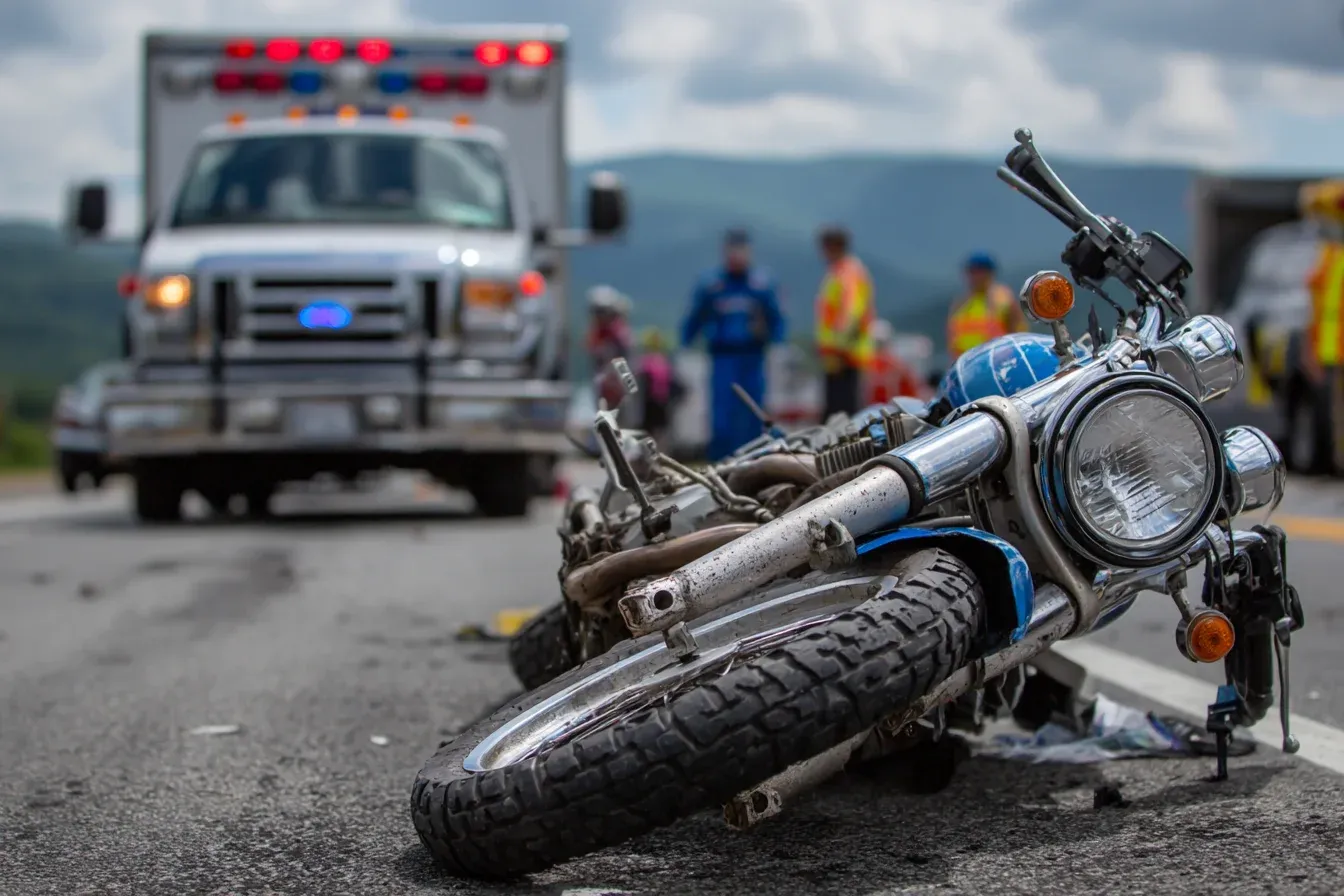
Riding in Nevada carries serious risks. Busy intersections in Las Vegas, heavy Strip traffic, and long desert highways create conditions where one negligent driver can leave a motorcyclist with severe injuries, growing medical bills, and weeks or months away from work. Insurance adjusters begin building their case immediately after a crash, often before riders know the full extent of what they are facing.
The challenge is that insurers routinely try to shift blame onto the motorcyclist to reduce or deny a claim entirely. Without understanding what caused your crash and how to document it, many riders accept far less than their case is worth.
In this article, you will discover the most common causes of motorcycle accidents in Nevada, how fault is determined, and how a local motorcycle accident attorney can help you pursue full and fair compensation.
Why Are Motorcycle Crashes So Common in Nevada?
Nevada motorcycle accidents happen more often than many people realize. Las Vegas and Clark County see the highest number of these crashes in the state. Most accidents occur in busy urban areas during regular daytime hours when traffic is heavy.
Several factors make Nevada particularly dangerous for riders. The state’s growing population means more cars on the road, and many drivers are unfamiliar with local traffic patterns. Tourist traffic adds another layer of unpredictability, especially around the Las Vegas Strip and downtown areas.
Understanding what causes these crashes helps you stay safer on the road. It also helps accident victims know their legal rights when someone else’s negligence causes their injuries.
What Are the Most Common Causes in Nevada?
Nevada motorcycle accidents stem from predictable driving behaviors and road conditions. Knowing these causes helps you recognize dangerous situations before they become crashes.
Left Turns and Failure to Yield
Left turn accidents are the deadliest type of motorcycle crash. These happen when a car turns left across your path at an intersection. The driver either fails to see you completely or misjudges how fast you are traveling.
This commonly occurs at busy Las Vegas intersections like Sahara Avenue and Las Vegas Boulevard. Drivers focus on oncoming cars and trucks but miss motorcycles because of their smaller size.
Distracted Driving
Distracted driving means any activity that takes a driver’s attention away from the road. This includes texting, talking on the phone, eating, or adjusting the radio. Your motorcycle becomes nearly invisible when a driver is not paying full attention.
Nevada law prohibits handheld phone use while driving, but violations remain common. Even hands-free devices can cause mental distraction that makes drivers miss motorcycles entirely.
Unsafe Lane Changes and Blind Spots
Blind spots are areas around a vehicle where the driver cannot see other traffic. Motorcycles easily disappear into these blind spots, especially on highways like I-15 and US-95. When drivers change lanes without checking their mirrors or using turn signals, they can cause devastating sideswipe crashes.
Even minor contact between a car and motorcycle can throw you from your bike. Large trucks and SUVs have particularly large blind spots that can hide an entire motorcycle.
Speeding and Aggressive Driving
Speeding reduces the time drivers have to see and react to motorcycles. Higher speeds also make any crash much more severe. Aggressive driving behaviors like tailgating, weaving through traffic, and road rage are extremely dangerous around motorcycles.
These behaviors are common on busy Nevada highways during rush hour traffic. Aggressive drivers often fail to maintain safe following distances or give motorcycles adequate space.
Drunk or Drugged Driving
Impaired driving severely affects a person’s ability to see motorcycles and react appropriately. Alcohol and drugs slow reaction times and impair judgment. Las Vegas sees frequent DUI crashes, especially on weekends and during major events.
Impaired drivers often drift between lanes or make sudden movements without warning. They may also drive much slower or faster than surrounding traffic, creating dangerous situations.
Rear End Collisions at Intersections
Rear end crashes happen when you are stopped at a red light or in heavy traffic and get hit from behind. Following too closely is the main cause of these accidents. The impact can push you into the intersection and into the path of cross traffic.
These crashes are particularly dangerous because you have little warning and no way to avoid the impact. Distracted drivers often fail to notice that traffic has stopped ahead of them.
Drivers Misjudge Speed and Distance
Motorcycles appear farther away and slower than they actually are because of their narrow profile. This optical illusion causes drivers to pull out from side streets, parking lots, or driveways thinking they have enough time. The result is often a serious T-bone collision.
This happens frequently when merging onto highways or making turns at intersections. Drivers see the motorcycle but incorrectly judge how much time they have to complete their maneuver.
Road Hazards and Construction Zones
Road hazards pose a much greater threat to motorcycles than to cars and trucks. You have less stability and cannot easily navigate around dangerous conditions. Common hazards include:
- Potholes: Can cause immediate loss of control, especially at higher speeds
- Loose gravel: Reduces tire traction and can cause skidding
- Oil slicks: Create slippery surfaces that are difficult to see until it is too late
- Uneven pavement: Destabilizes motorcycles and can cause wobbling or loss of control
Construction zones are particularly dangerous because of changing traffic patterns and temporary road surfaces.
Head On Collisions
Head on collisions are the most fatal type of motorcycle accident. These crashes happen when a car or truck crosses the center line into oncoming traffic. Wrong way drivers on highways and one-way streets also cause head on crashes.
You have almost no protection in a frontal impact. The force of two vehicles hitting each other directly causes catastrophic injuries even at relatively low speeds.
Failure to Obey Traffic Signals and Signs
Drivers who run red lights or ignore stop signs cause many intersection accidents. You may be traveling lawfully through an intersection when another driver violates traffic laws and strikes you. These crashes often happen at high speeds because the violating driver does not slow down.
Traffic cameras frequently capture these violations, providing clear evidence of who was at fault. However, this evidence does not prevent the serious injuries that result from these crashes.
Mechanical Defects and Poor Maintenance
Sometimes the cause of your crash is not another driver but a problem with your motorcycle. Mechanical failures can cause sudden loss of control. Common mechanical problems include:
- Brake failure: Prevents you from stopping safely
- Tire blowouts: Cause immediate loss of control
- Throttle problems: Can cause sudden acceleration or loss of power
- Steering issues: Make it impossible to control direction
If a defective part caused your crash, the manufacturer may be responsible for your damages. Poor maintenance by service shops can also lead to mechanical failures.
Weather and Visibility Conditions
Nevada’s desert climate creates unique visibility challenges. Dust storms can reduce visibility to near zero in seconds. The rare rainstorm makes roads extremely slick as water mixes with accumulated oil and debris.
Sun glare is a major problem, especially during sunrise and sunset hours. Drivers traveling east or west can be temporarily blinded, making it impossible to see motorcycles. Drivers must adjust for these conditions but often fail to do so.
Who Is at Fault in a Nevada Motorcycle Accident?
Fault means legal responsibility for causing the accident. In Nevada, the person or company at fault must pay for the resulting injuries and damages. Determining fault requires proving negligence, which means someone failed to act with reasonable care.
Multiple parties can be held responsible for your motorcycle crash. The most common liable parties include at-fault drivers who were speeding, distracted, or impaired. Employers can be liable when their employee causes a crash while working.
Government agencies may be responsible if they failed to maintain safe road conditions or fix known hazards. Vehicle manufacturers can be liable if a defective part led to the accident. Bars and restaurants sometimes face liability for over-serving drunk drivers.
Nevada follows comparative negligence rules. This means if you are partially at fault, your compensation gets reduced by your percentage of fault. If you are 20% at fault, your award is reduced by that percentage. If you are more than 50% at fault, you cannot recover any damages.
What Evidence Proves Cause and Fault in Las Vegas?
Insurance companies fight motorcycle claims aggressively because they know juries often sympathize with injured riders. You need strong evidence to prove what happened and who was responsible.
Video footage provides the most powerful evidence in motorcycle accidents. We search for cameras from nearby casinos, traffic signals, and businesses that may have recorded your crash. This footage often shows exactly what each driver did wrong.
Phone records can prove the other driver was texting or talking when the crash occurred. Police reports contain the officer’s observations and any citations issued at the scene. Witness statements from people who saw the crash provide objective accounts of what happened.
The damage to both vehicles tells a story about the force and direction of impact. Skid marks on the road show how fast vehicles were traveling and whether drivers tried to stop. Your medical records link your specific injuries directly to the crash.
Weather reports document visibility and road conditions at the time of the accident. Security footage from nearby businesses can show traffic patterns and driver behavior before the crash occurred.
Time is critical for preserving this evidence. Video footage gets erased within days, and witnesses forget important details quickly.
What to Do After a Motorcycle Crash in Nevada?
Your actions immediately after a crash protect both your health and your legal rights. Following the right steps can make the difference between a successful claim and a denied one.
Get Medical Care Immediately
See a doctor right away, even if you feel fine. Adrenaline masks serious injuries like internal bleeding, brain trauma, and spinal damage. Many motorcycle accident injuries do not show symptoms for hours or days after the crash.
Keep all medical records, bills, and treatment notes. These documents prove the extent of your injuries and link them directly to the accident. Delaying medical care gives insurance companies a reason to question whether the crash caused your injuries.
Call Police and Get an Official Report
Nevada law requires reporting any accident involving injury, death, or significant property damage. The police report creates an official record of the crash scene and initial fault findings. Get the report number before leaving the scene.
Even if the other driver seems cooperative, call police anyway. People often change their story later when they realize how much the accident will cost them.
Document Everything at the Scene
Take photos of all vehicles, your injuries, road conditions, and traffic signs. Get contact information from witnesses who saw the crash. Write down exactly what happened while your memory is fresh.
Note the time, weather conditions, and anything unusual about the road or traffic. This information becomes crucial when insurance companies try to blame you for the accident.
Notify Your Insurance Company Carefully
Report the crash to your insurance company, but be careful about giving detailed statements. Insurance adjusters are trained to ask questions that can hurt your claim later. Stick to basic facts about when and where the crash occurred.
Never admit fault or speculate about what caused the accident. Say you need time to fully understand what happened before giving a detailed statement.
Contact Ladah Injury & Car Accident Lawyers Las Vegas
We start investigating immediately to preserve evidence and protect your rights. Our team handles all communication with insurance companies so you can focus on recovering from your injuries.
Our experience as former insurance defense attorneys gives us unique insight into how insurance companies try to minimize motorcycle claims. We know their tactics and how to counter them effectively.
Nevada Laws Riders Need to Know
Nevada has specific motorcycle laws in Nevada that affect your ability to recover compensation after an accident. Understanding these laws helps you avoid mistakes that could hurt your claim.
Comparative Negligence Rules
Nevada uses modified comparative negligence to determine compensation. You can recover damages provided you are not more than 50% at fault for the crash. Your final award is reduced by your percentage of fault.
Insurance companies often try to blame motorcycle riders unfairly to reduce what they have to pay. They may claim you were speeding, following too closely, or not paying attention. We fight these tactics using accident reconstruction experts and witness testimony.
Helmet Requirements and Your Claim
Nevada helmet laws require all motorcycle riders and passengers to wear DOT-approved helmets. Not wearing a helmet does not prevent you from filing a claim, but insurance companies will argue it made your injuries worse.
We counter these arguments by showing that the crash itself caused your damages, regardless of helmet use. Medical experts can often prove that a helmet would not have prevented your specific injuries.
Lane Splitting Laws
Lane splitting means riding between lanes of stopped or slow-moving traffic. Lane splitting is illegal in Nevada.
If you were lane splitting when the crash occurred, you may still recover damages if the other driver was primarily at fault.
These cases require careful legal analysis to determine each party’s percentage of fault. The key is showing that the other driver’s actions were the main cause of the accident.
Filing Deadlines in Nevada
You have two years from the crash date to file a personal injury lawsuit in Nevada under NRS 11.190. Claims against government entities require a notice of claim to be filed within 2 years but follow a much shorter administrative process under NRS 41.036.
Starting your case early allows more time to investigate and gather evidence. It also shows insurance companies that you are serious about pursuing full compensation for your injuries.
Frequently Asked Questions
What Is the Leading Cause of Fatal Motorcycle Accidents in Nevada?
Left turn crashes are the most common cause of fatal motorcycle accidents when cars turn across a rider’s path at intersections. These crashes account for a significant portion of all motorcycle fatalities in two-vehicle accidents.
Can I Recover Compensation if I Was Not Wearing a Helmet?
Yes, you can still file a claim even without wearing a helmet. Insurance companies may argue it worsened your injuries, but we can counter this with medical evidence showing the crash caused your damages regardless of helmet use.
Is Lane Splitting Legal for Motorcycles in Nevada?
No, lane splitting is illegal in Nevada. However, you may still recover compensation if another driver’s actions were the primary cause of your accident, even if you were lane splitting at the time.
How Does Partial Fault Affect My Motorcycle Accident Claim?
Nevada allows you to recover damages provided you are not more than 50% at fault. Your compensation is reduced by your percentage of fault, so if you are 30% at fault, you receive 70% of your total damages.
What Evidence Is Most Important in Proving a Motorcycle Accident Case?
Video footage from traffic cameras or nearby businesses provides the strongest evidence. Witness statements, police reports, and vehicle damage analysis also help prove what happened and who was at fault.
How Long Do I Have to File a Motorcycle Accident Lawsuit in Nevada?
In Nevada, you have 2 years from the date of your motorcycle accident to file a personal injury lawsuit under NRS 11.190. Miss this deadline and you lose the right to recover compensation entirely.
Final Thoughts
You have one chance to get your motorcycle accident claim right. The decisions you make in the weeks following your accident will shape the outcome of your case and your financial future.
Our firm has stood beside injured Nevadans for years, recovering compensation that covers medical treatment, lost income, long-term care, and the full weight of what you have been put through. We take on the insurance companies, handle every detail of your claim, and fight for every dollar you deserve.
There are no upfront costs and no fees unless we recover compensation for you. Reach out today and let us show you what your case is worth. Contact us to schedule a free consultation.