
Common pedestrian accident injuries in Spring Valley include fractures, spinal cord damage, traumatic brain injuries, and soft tissue damage. Injury severity depends on vehicle speed, point of impact, and the victim’s overall health. Understanding the full extent of your injuries is critical to pursuing a settlement that covers your current and future medical needs.
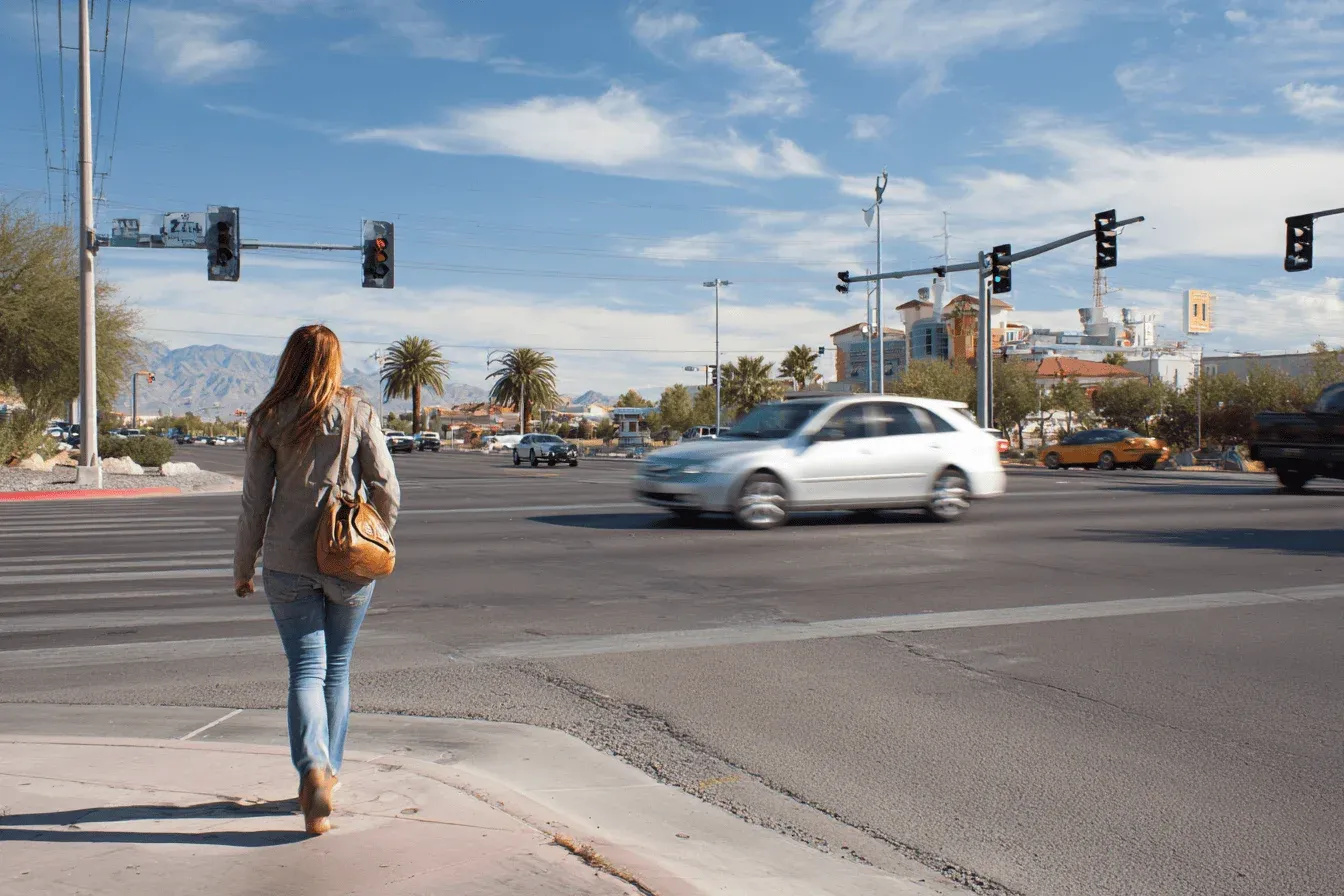
Pedestrian accidents in Spring Valley can cause injuries far more serious than they initially appear. The adrenaline and shock that follow a collision often mask pain that becomes impossible to ignore in the days that follow, and conditions like traumatic brain injuries or internal damage may not be immediately visible without thorough medical evaluation. What feels manageable in the emergency room can evolve into a months-long recovery involving surgery, rehabilitation, and permanent physical limitations that affect every area of your life.
Insurance companies will look for every opportunity to minimize your injuries and reduce what they pay. They may argue that your condition preexisted the accident or that you contributed to the collision, and Nevada’s comparative negligence laws give them the legal tools to reduce your compensation based on any fault assigned to you.
In this article, you will discover the most common pedestrian accident injuries in Spring Valley, how each injury affects your personal injury claim, and how a Spring Valley pedestrian accident attorney can help you pursue the full compensation your recovery demands.
What Are the Most Common Pedestrian Injuries?
Pedestrian accidents cause severe injuries because you have no protection against thousands of pounds of moving metal. When a car hits you, the impact sends your body flying or crushes you against the vehicle.
Head and Brain Injuries
A traumatic brain injury is damage to your brain from a blow to your head. This means your brain stops working normally, even if the injury looks minor from the outside.
Spring Valley Hospital Medical Center treats many brain injuries from local pedestrian accidents. Even a low-speed collision can cause lasting brain damage that changes your life forever.
- Mild TBI (Concussion): You feel confused, get headaches, and cannot remember things clearly.
- Severe TBI: You lose consciousness, vomit repeatedly, or have seizures.
- Skull Fractures: Your skull cracks or breaks, sometimes causing clear fluid to leak from your nose or ears.
Brain injuries often get worse over time. You might feel fine at first, then develop serious symptoms days or weeks later.
Neck and Spinal Injuries
Your spine is a column of bones that protects the nerves running from your brain to the rest of your body. When a car hits you, the force can crack these bones or damage the nerves inside.
Spinal injuries are among the most devastating because they can leave you unable to walk or move parts of your body. The higher up your spine the injury occurs, the more of your body it affects.
- Whiplash: Your neck snaps back and forth violently, causing whiplash injury pain and stiffness that may not appear for 24 hours
- Herniated Disc: A cushion between your spine bones gets pushed out of place, causing shooting pain down your arms or legs
- Paralysis: Nerve damage leave you unable to move or feel parts of your body below the injury
Broken Bones and Joint Injuries
Fractures happen when the force of impact is stronger than your bones. Your legs usually break first because they take the initial hit from the car’s bumper.
Hip fractures are especially serious in older adults and often require complete hip replacement surgery. Recovery can take months and you may never walk the same way again.
- Leg Fractures: These injuries usually need 6 to 8 weeks in a cast and often require surgery to put metal plates or screws in your bones.
- Hip Fractures: Almost always need surgery and months of physical therapy to learn to walk again.
- Wrist and Arm Breaks: Happen when you try to catch yourself as you fall after being hit.
Internal Organ and Abdominal Injuries
Internal injuries happen when the force of the crash damages organs inside your body. These injuries are dangerous because you cannot see them and they may not cause pain right away.
Your liver, spleen, and kidneys can tear or rupture, causing you to bleed internally. This bleeding can kill you if doctors do not find and stop it quickly.
- Liver or Spleen Damage: Causes abdominal pain and dizziness from blood loss inside your body.
- Kidney Injury: Shows up as back pain or blood in your urine.
- Internal Bleeding: Requires emergency surgery to find the source and stop the bleeding.
Facial, Dental, and Eye Injuries
When you get hit by a car, you often land face-first on the pavement or windshield. Your face has many delicate bones that break easily under this kind of force.
Facial injuries can leave permanent scars and require multiple surgeries to repair. Dental work after an accident is expensive and may not be covered by your regular insurance.
- Facial Fractures: Broken cheekbones, jaw, or nose that may need metal plates to heal properly.
- Dental Trauma: Teeth get knocked out, cracked, or driven back into your gums.
- Eye Injuries: Scratched corneas or detached retinas that can cause permanent vision loss.
Soft Tissue, Nerve, and Skin Injuries
Soft tissue injuries affect your muscles, tendons, and ligaments. These injuries hurt and limit your movement, but doctors sometimes overlook them while treating more obvious problems.
Road rash happens when you slide across pavement after being hit. This is not just a scrape. It is a deep wound that removes layers of skin and can get infected easily.
- Road Rash: Severe skin damage that requires professional wound care to prevent infection and scarring.
- Nerve Damage: Causes numbness, tingling, or burning pain that may never go away completely.
- Ligament Tears: Make your joints unstable and weak, often requiring surgery and months of physical therapy.
Psychological Injuries After a Crash
The mental trauma from being hit by a car is real and counts as a legal injury. Post-Traumatic Stress Disorder causes severe emotional distress as your brain gets stuck reliving the scary event over and over.
Many pedestrian accident victims develop a fear of crossing streets or being near cars. This fear can make it hard to work, shop, or live normally.
- PTSD: Causes flashbacks, nightmares, and panic when you see or hear cars.
- Depression: Makes you lose interest in things you used to enjoy and feel sad most of the time.
- Anxiety: Triggers panic attacks when you are near traffic or need to cross a street.
Symptoms to Watch in the First 72 Hours
Your body releases adrenaline after a crash that masks pain and other injury symptoms. This natural response helps you survive the emergency, but it also hides serious problems that need immediate treatment.
Some of the most dangerous injuries do not cause symptoms right away. Internal bleeding, brain swelling, and spinal cord damage can get worse for hours or days after the accident.
Watch for these warning signs and get emergency medical care immediately:
- Worsening headaches or confusion that gets worse instead of better
- Numbness or tingling in your arms, legs, hands, or feet
- Difficulty breathing, chest pain, or feeling like you cannot get enough air
- Blood in your urine or bowel movements
- Pain anywhere in your body that keeps getting worse
Writing down when symptoms start and how they change helps doctors diagnose your injuries. This documentation also provides crucial evidence for your legal case.
How Doctors Diagnose and Treat These Injuries
Emergency room doctors follow a specific process to find all your injuries, including ones you cannot see or feel. They start with the most life-threatening problems and work their way down to less serious issues.
Getting the right diagnosis quickly can mean the difference between a full recovery and permanent disability. Some injuries need immediate surgery to prevent lasting damage.
Diagnostic Tests
- CT Scans: Show detailed pictures of your brain, spine, and internal organs to find bleeding or swelling.
- X-rays: Reveal broken bones and joint damage in minutes.
- MRI Scans: Create detailed images of soft tissues, nerves, and spinal cord injuries that X-rays miss.
Treatment Options
- Emergency Surgery: Stops internal bleeding, removes blood clots from your brain, or repairs severely broken bones.
- Physical Therapy: Helps you regain strength and movement, usually 2 to 3 times per week for months.
- Pain Management: Uses medications, injections, or other treatments to control chronic pain during recovery
Your medical records from these treatments become important evidence in your legal case. They prove the extent of your injuries and the cost of your care.
What Causes Pedestrian Injuries in Spring Valley?
The speed and behavior of the driver directly affects how badly you get hurt. A car traveling 20 mph might cause broken bones, while the same car at 40 mph can kill you.
Spring Valley has several dangerous areas where pedestrian accidents happen frequently. Knowing these locations helps you understand why your accident was so severe.
Common causes of serious pedestrian injuries include:
- Speeding on major roads like Rainbow Boulevard or Flamingo Road where cars travel 45 mph or faster
- Distracted driving near busy shopping areas like Spring Valley Town Center where drivers are not watching for pedestrians
- Failure to yield at crosswalks on Tropicana Avenue during rush hour traffic
- Poor visibility at dusk near Desert Breeze Park where lighting is inadequate
- Drunk driving on weekend evenings when impaired drivers cannot react in time to avoid hitting you
The faster a car is going when it hits you, the more force transfers to your body and the worse your injuries become.
Who Pays Your Medical Bills After a Pedestrian Accident?
Medical bills after a pedestrian accident can accumulate quickly during the first week. You need immediate treatment, but you also need to know how these bills will get paid.
Several sources can pay for your medical care, and you do not have to choose just one. Understanding the order of payment helps you get treatment without worrying about money.
Primary Payment Sources
- Your Health Insurance: Pays first according to your policy terms, but you still owe deductibles and copays
- MedPay Coverage: If you have this on your car insurance, it pays medical bills immediately regardless of who caused the accident
- At-Fault Driver’s Insurance: Responsible for all your bills, but only pays after your case settles or goes to trial
If the Driver Was Uninsured
- UM/UIM Coverage: Your own Uninsured or Underinsured Motorist coverage can pay for injuries if the driver has no insurance.
- Hospital Payment Plans: Most hospitals offer interest-free payment arrangements while your legal case is pending.
We work directly with your medical providers to delay billing pressure while we fight for your compensation. This lets you focus on healing instead of worrying about money.
Compensation You Can Recover for Pedestrian Injuries
Nevada law lets you recover money for every way the accident affected your life. These damages fall into two main categories that cover different types of losses.
The goal is to put you back in the financial position you would have been in if the accident never happened. For catastrophic injuries, this often means six or seven-figure settlements.
| Economic Damages | Non-Economic Damages |
| All medical bills, current and future | Pain and suffering from your injuries |
| Lost wages and employment benefits | Emotional distress and mental trauma |
| Physical therapy and rehabilitation costs | Loss of enjoyment of life activities |
| Medical equipment like wheelchairs | Permanent scarring and disfigurement |
| Home modifications for disabilities | Loss of relationship with your spouse |
Calculating future damages requires medical experts who can predict your long-term needs. We work with these specialists to ensure your settlement covers your entire lifetime of care.
Who Is Liable in a Spring Valley Pedestrian Accident?
Liability means legal responsibility for paying your damages. While the driver who hit you is usually liable, other parties might also owe you money depending on the circumstances.
Finding all liable parties increases the total amount of insurance coverage available to pay your claim. This is especially important for catastrophic injuries that exceed a single insurance policy.
- Negligent Drivers: The most common liable party who violated traffic laws or drove carelessly.
- Employers: Companies are responsible when their employees cause accidents while working or driving company vehicles.
- Government Entities: Cities or counties can be liable for dangerous road designs, broken traffic signals, or missing crosswalks.
- Property Owners: Businesses may be responsible for accidents caused by poor lighting, blocked sight lines, or unsafe parking lot designs.
Nevada follows comparative negligence rules. You can still recover compensation even if you were partly at fault, as long as you were less than 50% responsible. Your final award gets reduced by your percentage of fault.
What to Do After a Pedestrian Accident
The actions you take in the first few hours after being hit can protect both your health and your legal rights. Stay as calm as possible and follow these steps in order.
Every step creates evidence that helps prove your case later. Missing any of these steps can hurt your chances of getting full compensation.
Call 911 and Get Medical Care
Emergency responders create an official record of the accident that insurance companies cannot dispute. Even if you feel okay, get checked at Spring Valley Hospital Medical Center or UMC because some injuries do not show symptoms immediately.
Police officers also investigate the scene and write a report that usually determines who was at fault.
Document the Scene and Your Injuries
Take photos of the car that hit you, focusing on damage and the license plate. Photograph any skid marks on the road, your injuries, and your torn or bloody clothing.
Get names and phone numbers from anyone who saw the accident happen. Witness statements often determine who wins or loses a case.
Notify Police and Get a Report
The police report serves as official proof that the accident occurred. Ask the responding officer for the report number so you can get a copy for your insurance claim.
This report usually includes the officer’s opinion about who caused the accident based on physical evidence and witness statements.
Avoid Recorded Statements
Insurance adjusters will call within hours asking to record your statement about the accident. They use these recordings to find reasons to deny your claim or reduce your settlement.
Politely tell them you need to speak with an attorney first. You are required to report the accident, but you do not have to give detailed statements.
Call Ladah Injury & Car Accident Lawyers Las Vegas
We handle every aspect of your legal case while you focus on getting better. Our team is available 24 hours a day to provide immediate help and guidance.
Call us at (702) 252-0055 for a free consultation before you talk to any insurance company. We protect your rights from day one.
How Long Do You Have to File in Nevada?
Nevada gives you exactly two years from the date of your accident to file a personal injury lawsuit. If you miss this deadline, you lose your right to any compensation forever, no matter how badly you were hurt.
This time limit exists to ensure evidence stays fresh and witnesses can still remember what happened. Waiting too long makes it much harder to prove your case.
Special Situations
- Injured Children: The two-year deadline does not start until the child turns 18 years old.
- Government Claims: You may have only six months to file a formal notice if a city, county, or state employee caused your accident
Evidence disappears quickly after an accident. Security camera footage gets deleted, skid marks fade, and witnesses forget important details. Starting your case early gives us the best chance to gather strong evidence.
Act Fast to Protect Your Rights Now
You are dealing with serious injuries while medical bills pile up and insurance companies pressure you to settle quickly for less than you deserve. We take over the legal fight so you can concentrate on healing.
Our experience makes the difference between a quick settlement that barely covers your current bills and full compensation that secures your future. We have helped injury victims throughout Nevada recover compensation.
Why Choose Ladah Injury & Car Accident Lawyers Las Vegas
- Certified Personal Injury Specialist: Our lead attorney has special certification that few Nevada lawyers possess.
- Former Insurance Defense Experience: We know exactly how insurance companies will try to minimize your claim.
- No Fees Unless We Win: You pay nothing upfront and nothing if we do not recover money for you.
- 24/7 Availability: We answer your calls and questions any time, day or night.
Contact us online or call (702) 252-0055 right now for your free consultation. We serve Spring Valley pedestrian accident victims and their families throughout Clark County.
Frequently Asked Questions
What Is the Most Common Injury in Pedestrian Accidents?
Lower leg fractures are the most frequent injuries because a car’s bumper typically strikes a pedestrian’s legs first during impact.
What Symptoms Appear Days After Being Hit by a Car?
Headaches, neck stiffness, numbness in your hands or feet, and anxiety symptoms often appear 24 to 72 hours after an accident, once adrenaline subsides.
Can I Get Compensation If I Was Not in a Crosswalk?
Yes, you can still recover money as long as you were less than 50% responsible for causing the accident, though your settlement will be reduced by your percentage of fault.
Who Pays My Emergency Room Bill After a Pedestrian Accident?
Your health insurance typically pays your immediate medical bills, then gets reimbursed from the at-fault driver’s insurance company when your case settles.
How Long Does a Pedestrian Injury Case Take in Nevada?
Most cases settle within 6 to 18 months, but severe injury cases requiring extensive medical treatment may take 2 to 3 years to ensure maximum compensation.
Should I Talk to the Driver’s Insurance Company?
No, you should contact an experienced attorney first because insurance adjusters are trained to get you to say things that reduce your claim value.