If someone else is driving your car and causes an accident in Nevada, your auto insurance pays first because coverage follows the vehicle. Your liability covers injuries and damage, collision covers your car, and the driver’s insurance may be secondary. Coverage can be denied for no permission, exclusions, or criminal use. Premiums may rise and lawsuits are possible.
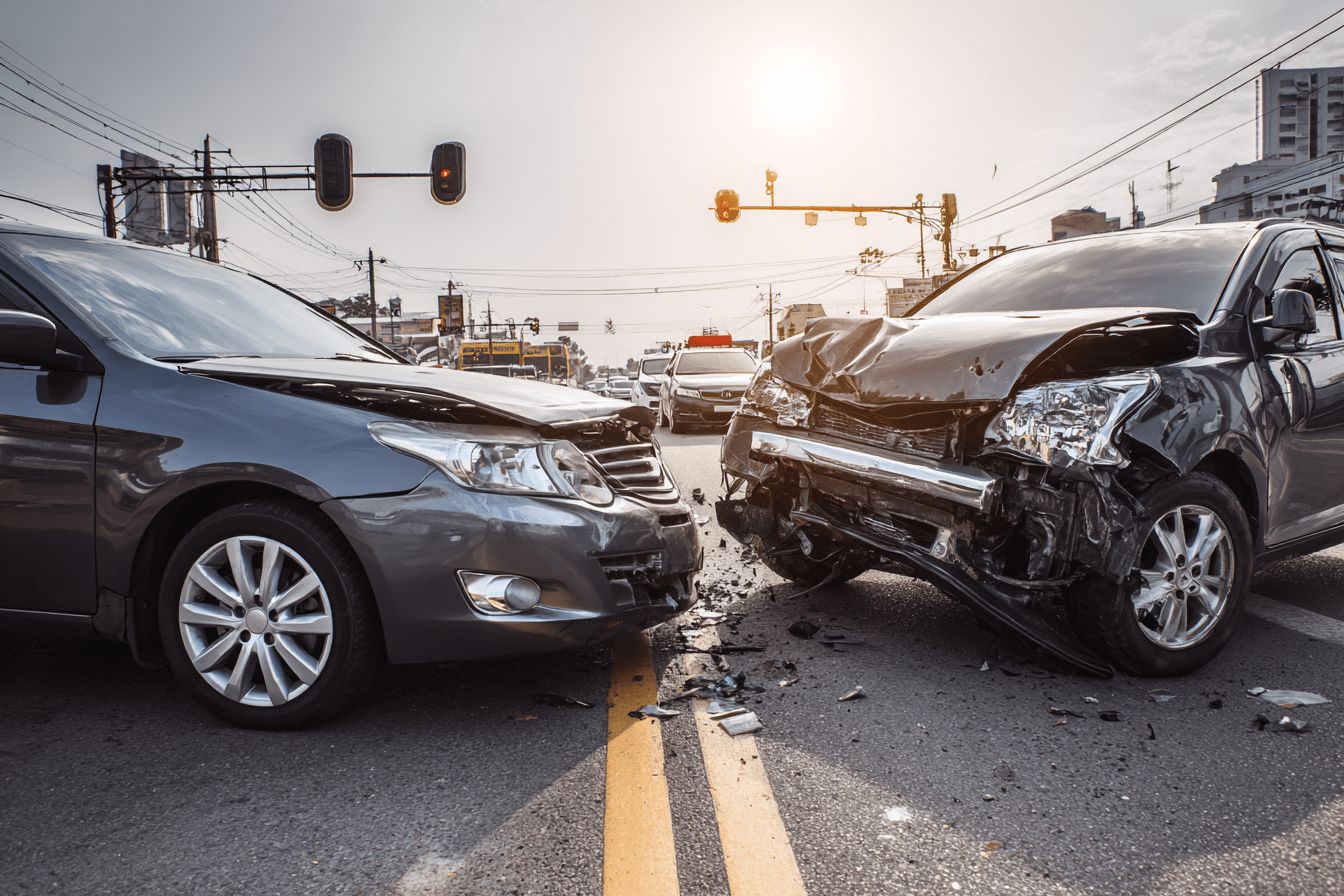
Letting someone else drive your car can seem harmless until an accident happens and you are left dealing with the consequences. Many car owners are shocked to learn they may be financially involved even though they were not behind the wheel. Questions about insurance coverage, fault, and liability often come up immediately, especially when injuries or significant damage are involved. The stress increases when insurers start asking detailed questions about permission and policy terms. Uncertainty about who pays can quickly become overwhelming.
The problem is that insurance companies do not automatically make this process simple. They may question whether the driver had permission, argue exclusions apply, or attempt to limit coverage to reduce what they pay. If coverage is denied or limits are exceeded, you could face higher premiums or personal financial exposure. Misunderstanding how Nevada law treats borrowed car accidents can lead to costly surprises.
In this article, you will discover what happens if someone else is driving your car and gets in an accident, how Nevada insurance laws handle these situations, and how a car accident attorney can help you protect yourself legally and financially.
What Happens if Someone Else Drives Your Car and Crashes in Nevada
When someone else drives your car with your permission and gets in an accident, your car insurance typically covers the crash. Insurance follows the vehicle, not the driver, which means your policy is responsible for paying claims. You remain financially responsible through your insurance policy, but the specifics depend on who caused the accident and what coverage you have.
Nevada is an at-fault state. This means the person who caused the accident is responsible for paying damages to the other party. Your liability insurance will cover damages your car causes to others, while your collision coverage handles damage to your own vehicle.
The driver’s insurance may provide secondary coverage if your policy limits aren’t enough to cover all damages. However, your insurance company will handle the claim first and pay out before the driver’s insurance gets involved.
Does Insurance Follow the Car or the Driver in Nevada?
Auto insurance follows the car, not the driver. This fundamental rule means your insurance policy is the primary coverage when someone borrows your vehicle. Primary insurance is the first policy that must pay when an accident happens.
Your policy covers the accident even if you weren’t driving. The borrower’s insurance only becomes involved if your coverage limits are exceeded or if specific circumstances require secondary coverage.
| Scenario | Primary Insurance | Secondary Insurance |
| Friend borrows your car with permission | Your car insurance | Friend’s insurance (if needed) |
| You drive someone else’s car | Owner’s car insurance | Your insurance (if needed) |
| Unauthorized use of your car | May be denied | Driver personally liable |
This system protects everyone on the road by ensuring there’s always insurance coverage tied to each vehicle. You don’t need to worry about whether the driver has insurance because your policy provides the primary protection.
Who Pays if a Friend Crashes Your Car
Different parts of your insurance policy handle different types of damage and costs. Understanding each coverage type helps you know what to expect when filing a claim after someone else crashes your car.
Liability Coverage
Liability coverage pays for injuries and property damage to other people when the person driving your car is at fault. Nevada requires minimum coverage of $25,000 per person for bodily injury, $50,000 per accident for bodily injury, and $20,000 for property damage.
If damages exceed these minimum amounts, both you and the driver could face personal lawsuits for the remaining costs. This is why many people choose higher limits to protect their assets from personal liability.
Collision Coverage
Collision coverage is optional insurance that pays for repairs to your vehicle regardless of who caused the accident. You’ll pay your deductible even though you weren’t driving when the crash happened.
Without collision coverage, you’d need to rely on the at-fault driver’s insurance to pay for your car’s repairs. This can be problematic if they don’t have enough coverage or if they dispute fault.
Uninsured/Underinsured Motorist Coverage
Uninsured/Underinsured Motorist (UM/UIM) coverage protects you when the at-fault driver has no insurance or insufficient coverage. This protection extends to anyone driving your car with permission.
UM/UIM coverage is especially important in Nevada, where many drivers carry only the minimum required insurance. If someone hits your friend while driving your car, this coverage ensures you’re protected even if the other driver is underinsured.
Medical Payments Coverage
Medical Payments (MedPay) coverage is optional insurance that pays medical bills for anyone injured in your vehicle, regardless of fault. This includes friends who borrow your car and get hurt in an accident.
MedPay provides immediate payment for medical expenses while other insurance claims are being processed. It covers ambulance rides, hospital bills, and other medical costs up to your policy limit.
What if the Other Driver was at Fault
When another driver causes the accident, their insurance should pay for damages to your vehicle and your friend’s injuries. You or your friend will file a claim against the at-fault driver’s insurance company.
Your own insurance policy still provides important backup protection in these situations:
- UM/UIM coverage: Protects you if the at-fault driver lacks sufficient insurance
- MedPay coverage: Pays immediate medical expenses while waiting for the other driver’s insurance
- Collision coverage: Can speed up repairs by paying immediately, then seeking reimbursement
Nevada follows comparative negligence rules. This means if your friend shares some blame for the accident, compensation is reduced by their fault percentage, but if they are 51 percent or more at fault, they cannot recover anything.
Permissive Versus Non-Permissive Use
Insurance coverage depends heavily on whether you gave permission for someone to drive your car. Permission can be explicit or implied, but it must exist for your insurance to cover the accident.
Permissive use happens when you give someone clear permission to drive your vehicle. This includes handing them keys and saying they can use your car, or regularly allowing someone to drive with your knowledge.
Non-permissive use occurs when someone drives without your consent. This could involve someone taking your keys without asking, exceeding the permission you gave, or using your car after you specifically told them not to.
Examples of permission situations:
- Clear permission: “Yes, you can borrow my car to go to work”
- Implied permission: Your roommate regularly uses your car and you’ve never objected
- No permission: Someone takes your keys while you’re sleeping
- Exceeded permission: You said “drive to the store” but they drove to another state
When Coverage Can be Denied
Certain situations can result in your insurance company denying the claim entirely. This leaves both you and the driver facing potentially devastating financial consequences.
No Permission
If someone drives your car without permission, your insurance company will likely deny coverage. The unauthorized driver becomes personally liable for all damages and could face criminal charges for vehicle theft.
You must prove you gave permission if the insurance company questions it. Text messages, emails, or witness statements can help establish that you authorized the use.
Excluded Driver
An excluded driver is someone specifically removed from your insurance policy. If this person drives your car and crashes, your insurance will deny the claim completely.
People are typically excluded due to poor driving records, multiple accidents, or DUI convictions. Adding them to your policy would significantly increase your premiums, so exclusion becomes the only affordable option.
DUI or Criminal Acts
Insurance policies never cover accidents involving drunk driving or criminal activities. If someone borrows your car and causes an accident while intoxicated, your claim will be denied.
Both you and the driver could face personal liability for all damages. Criminal acts void insurance coverage because policies don’t protect against intentional or illegal behavior.
Rideshare or Delivery Use
Personal auto insurance excludes commercial activities like Uber, Lyft, or food delivery. If your friend was using your car for these services when the accident happened, your insurance won’t cover it.
Commercial use requires special insurance coverage. Standard personal policies specifically exclude business activities to keep premiums affordable for regular drivers.
Unlicensed or Suspended Driver
Letting someone without a valid license drive your car can void your coverage. This also exposes you to negligent entrustment lawsuits.
Negligent entrustment means you can be sued for irresponsibly lending your vehicle to someone you knew or should have known was unsafe to drive.
Will Your Premiums Go Up if You Weren’t Driving?
Your insurance rates will likely increase after any claim filed on your policy, even if you weren’t driving. The accident becomes part of your policy history, and insurers view you as higher risk for lending your vehicle.
Insurance companies consider multiple factors when setting rates:
- Claim frequency: Multiple claims suggest increased risk
- Claim severity: Expensive claims impact rates more than minor ones
- Your lending habits: Regular lending may be seen as risky behavior
You can minimize rate increases by being selective about who you lend your car to and ensuring they’re responsible, licensed drivers with their own insurance.
Steps to Take After the Crash
Quick action after an accident protects your rights and ensures proper claim handling. You need to guide the person who was driving through these essential steps.
Check for Injuries and Call 911
Safety comes first in any accident situation. The driver should check on everyone involved and call 911 immediately if there are injuries or significant property damage.
Nevada law requires reporting accidents involving injury, death, or property damage over $750. Even if the damage seems minor, it’s often better to have police document the scene.
Exchange and Document Information
The driver must collect essential information from all parties involved. This includes driver’s licenses, insurance cards, vehicle registrations, and contact information for any witnesses.
Getting the responding police officer’s name and badge number is also important. The official police report will be crucial for your insurance claim.
Photograph Damage and Scene
Photos provide crucial evidence for insurance claims and potential lawsuits. The driver should take pictures from multiple angles showing vehicle damage, skid marks, road conditions, and traffic signs.
Pictures should also document any visible injuries and the overall accident scene. These photos often become the most important evidence in disputed claims.
Report the Claim Carefully
When reporting to your insurance company, stick to basic facts only. Provide the date, time, location, and confirm that someone else was driving with your permission.
Avoid admitting fault, speculating about causes, or giving detailed explanations. Insurance adjusters are trained to find reasons to deny or reduce claims.
Avoid Recorded Statements Without Counsel
Insurance companies often request recorded statements, but these can be used against you later. Consider consulting with an attorney before providing detailed statements about the accident.
Adjusters work for the insurance company, not for you. Their goal is to minimize payouts, not to ensure you receive fair compensation.
Can You be Sued for Letting Someone Borrow Your Car?
You can face personal lawsuits if someone borrowing your car causes serious injuries or damages. This is especially likely if your insurance coverage isn’t enough to pay for all damages.
Nevada recognizes negligent entrustment claims. This means you can be sued directly if you lent your car to someone you knew or should have known was an unsafe driver.
Common negligent entrustment situations include:
- Lending to an intoxicated person: You saw them drinking before giving them keys.
- Known bad driving history: You were aware of their accidents, tickets, or DUI convictions.
- Medical conditions: You knew about seizures, vision problems, or other conditions affecting driving.
- Inexperienced drivers: Letting a new teen driver use a high-performance vehicle.
Your insurance company will defend you in negligent entrustment lawsuits, but coverage may be limited if you acted unreasonably in lending your vehicle.
Get Legal Help Today
Evidence disappears quickly after accidents, and insurance companies immediately begin building their defense. Whether you owned the car or were driving it, you need experienced legal representation to protect your rights.
Don’t let insurance companies take advantage of the confusion surrounding borrowed car accidents. We understand Nevada’s complex insurance laws and fight for every dollar you deserve.
Call us now for a free consultation. We’re available 24/7 to discuss your case and explain your legal options.
Frequently Asked Questions
Will My Nevada Car Insurance Cover a Friend Who Crashes My Car?
Yes, your insurance typically covers accidents when someone drives your car with your permission. Your liability coverage protects others they might injure, and collision coverage pays for damage to your vehicle.
Do I Need to Add Regular Drivers to My Insurance Policy?
If someone drives your car regularly, they should be listed on your policy to avoid coverage issues. Occasional use with permission is usually covered without adding them as a named driver.
Who Pays the Deductible When Someone Else was Driving My Car?
You pay the collision deductible as the policyholder, even though you weren’t driving when the accident occurred. The deductible amount doesn’t change based on who was behind the wheel.
Does Medical Payments Coverage Apply to Borrowed Car Accidents?
Yes, MedPay coverage follows your vehicle and pays medical expenses for anyone injured in your car, including permitted drivers. This provides immediate payment while other claims are processed.
What Happens if My Car was Used for Uber Without Rideshare Coverage?
Your personal auto insurance will deny the claim since commercial use is excluded. The driver would need proper rideshare insurance or face personal liability for all damages.
Can I be Sued for Negligent Entrustment in Nevada?
Yes, you can be sued directly if you knowingly lent your car to an unsafe driver who caused injuries. This applies when you knew or should have known the person was dangerous behind the wheel.
Will My Insurance Rates Increase After Someone Else Crashes My Car?
Unfortunately, yes. Any claim filed on your policy typically results in higher premiums, regardless of who was driving when the accident occurred.
How Long Do I Have to File a Lawsuit After a Borrowed Car Accident?
Nevada’s statute of limitations gives you two years from the accident date to file a personal injury lawsuit. However, you should report insurance claims immediately to avoid coverage issues.