
Most personal injury cases don’t go to court. Instead, they are usually settled through negotiations. Because trials can be long, expensive, and unpredictable, both sides usually want to come to an agreement ahead of time. But if you can’t settle, your case might go to trial, where a judge or jury will look at the evidence and make a decision.
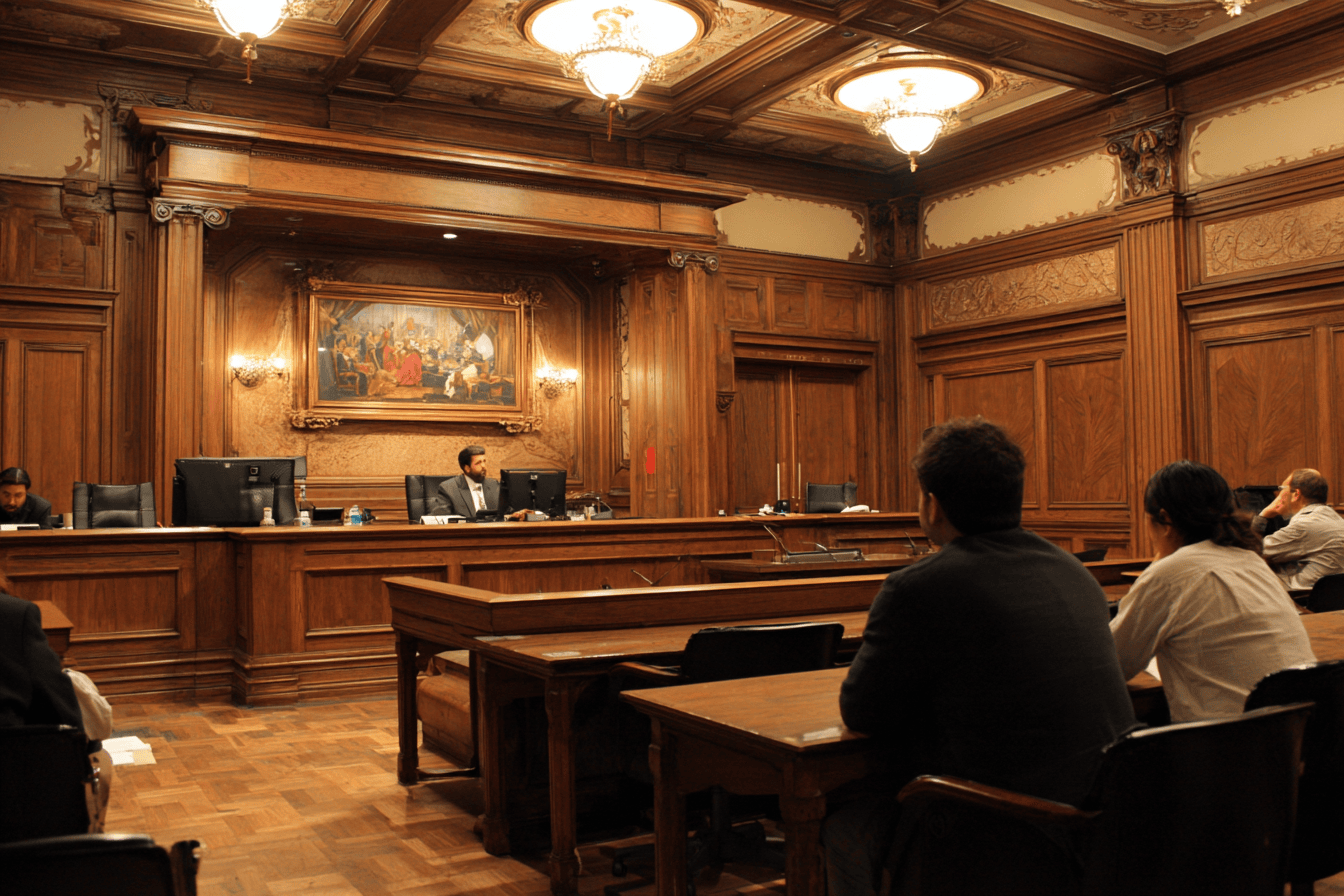
When you suffer an injury due to someone else’s negligence, you may wonder if your personal injury case will go to trial.
Understanding the likelihood of a trial versus a settlement can help you navigate the legal process with more confidence. Most personal injury cases resolve through settlements, avoiding the time, expense, and uncertainty of a courtroom battle.
However, some cases do proceed to trial when key issues remain unresolved. Knowing what factors influence this decision is crucial for managing your expectations and planning your legal strategy.
This article explains when personal injury cases go to trial, what factors influence this decision, and how Nevada’s laws affect your case.
Do Most Personal Injury Cases Go to Trial?
Most personal injury cases do not go to trial. In fact, the vast majority settle out of court through the settlement process. This is because trials can be lengthy, costly, and unpredictable for all parties involved. Both plaintiffs and defendants often prefer fair settlements that provide timely compensation without the stress of a courtroom battle.
Settlement negotiations allow the injured party and the opposing party to discuss critical factors such as damages, liability, and compensation. Experienced personal injury attorneys play a key role in guiding clients through this complex process to pursue maximum compensation.
However, some cases do proceed to trial. This typically happens when there are disputes over fault, disagreements about the extent of injuries, or when the insurance company makes low offers that do not cover medical expenses, lost income, and other damages.
In these situations, filing a lawsuit and going through the trial process may be necessary to establish liability and secure fair compensation.

What Makes a Case Go to Trial?
While settlement is the norm, certain situations push cases into the courtroom. These typically happen when you and the insurance company cannot agree on key issues that affect your compensation.
Disputes Over Fault
Your case may go to trial if the insurance company denies that their client caused the accident. They might claim you were partially or primarily responsible for what happened.
This matters tremendously in Nevada because of our modified comparative negligence rule. If you’re found 51% or more at fault, you receive nothing. Even if you’re found 20% at fault, your compensation gets reduced by that percentage.
Insurance companies often dispute fault in situations like intersection accidents, where both drivers claim they had the green light, or rear-end collisions, where they argue you stopped suddenly without reason.
Disputes Over Damages
Even when the other party admits fault, they may fight about how badly you were hurt or how much your injuries cost you. Insurance companies frequently argue that your injuries existed before the accident or that you received unnecessary medical treatment.
They might also claim your injuries aren’t as severe as you and your doctors say they are. This is especially common with soft tissue injuries like whiplash or back strains that don’t show up clearly on X-rays.
Low Offers or Bad Faith
One of the most common reasons for going to trial is when the insurance company makes unreasonably low settlement offers. These “lowball” offers might not even cover your medical bills, let alone your lost wages and pain and suffering.
Sometimes insurance companies engage in bad faith tactics like deliberately delaying your claim, refusing to investigate properly, or ignoring reasonable settlement demands. Filing a lawsuit often forces them to take your claim seriously.
Complex Facts or Multiple Parties
Cases involving multiple at-fault parties create complicated settlement negotiations. Think about a three-car pile-up where each driver blames the others, or a truck accident where the driver, trucking company, and parts manufacturer might all share responsibility.
When several insurance companies are involved, they often disagree about how to divide up the blame and the costs. This can make settlement impossible without a judge and jury to sort out the responsibility.
Desire for Public Accountability
Sometimes you may want your day in court to hold a wrongdoer publicly accountable for their actions. This is particularly common in cases involving drunk driving, texting while driving, or other egregious behavior.
While money is essential, a public trial can provide a sense of justice that a confidential settlement cannot. The wrongdoer has to face the consequences of their actions in open court.
Statute of Limitations Pressure
In Nevada, you generally have two years from your accident date to file a personal injury lawsuit. This deadline is called the statute of limitations, and missing it means you lose your right to compensation forever.
If this deadline approaches and the insurance company hasn’t made a fair settlement offer, your attorney must file a lawsuit to protect your rights. Settlement negotiations can continue even after filing the lawsuit.
Should You Settle or Go to Trial?
The decision to accept a settlement or proceed to trial is a strategic choice you’ll make with your attorney’s guidance. Having a lawyer who’s prepared to take your case to trial gives you significant leverage during settlement negotiations.
Benefits of Settlement
Settling your case offers several clear advantages. You’ll receive your compensation much faster, often within a few months, rather than waiting years for a trial to conclude.
You’ll also avoid the emotional stress of testifying in court and having your personal life examined in public. Settlement agreements are typically confidential, so the details of your accident and injuries remain private.
Most importantly, you’ll have certainty about your outcome. You’ll know exactly how much money you’re getting instead of gambling on what a jury might decide.
Benefits of Trial
Going to trial can sometimes result in higher compensation than settlement offers, especially if a jury sympathizes with your injuries and the defendant’s conduct was particularly reckless.
A trial also provides public accountability when someone’s negligent actions caused your injuries. The whole discovery process might uncover additional evidence that strengthens your case.
In rare cases involving extreme negligence, a jury might award punitive damages designed to punish the wrongdoer, which are often not available through settlement.
Risks to Consider
Both paths carry risks that you should carefully weigh with your attorney:
| Settlement Risks | Trial Risks |
| May receive less than your case’s full potential value | Could lose completely and receive nothing |
| No admission of wrongdoing by the defendant | Process can take years to resolve |
| Cannot pursue additional claims for the same accident | Personal details become public record |
| Must accept the agreed amount even if injuries worsen | High stress and time commitment required |
What Happens if Your Case Goes to Trial?
If settlement negotiations fail and your case proceeds to trial, your attorney will guide you through each step of the process. While trials are complex, your lawyer handles the legal complexities while keeping you informed and prepared.
Filing the Lawsuit
Your attorney starts by filing a legal document called a complaint with the court. This document formally states your claims against the defendant and specifies the compensation you’re seeking.
The defendant then has a limited time, typically 20 days in Nevada, to file their response. Filing the lawsuit often motivates insurance companies to make more serious settlement offers.
Discovery and Depositions
Discovery is the evidence-gathering phase where both sides exchange information relevant to your case. This process includes sharing medical records, accident reports, witness statements, and expert opinions.
Depositions are formal question-and-answer sessions conducted under oath, similar to testifying in court but in a lawyer’s office. You’ll likely be deposed about the accident and your injuries, and your attorney will prepare you thoroughly beforehand.
The other party and key witnesses will also be deposed, giving your attorney the chance to lock in their testimony and look for inconsistencies in their story.
Mediation and Negotiations
Nevada courts often require mediation before allowing a case to proceed to trial. Mediation involves meeting with a neutral third party who helps facilitate settlement discussions between you and the defendant.
Even if mediation doesn’t result in a settlement, negotiations can continue throughout the entire process. Many cases settle even after jury selection has begun.
Pretrial Motions
Before trial, both sides may file motions asking the judge to make rulings on specific legal issues. These include requests to exclude certain evidence or dismiss parts of the case.
Your attorney handles all these technical legal arguments on your behalf. These motions help shape what evidence the jury will see and hear during the trial.
Trial and Verdict
If no settlement is reached, your case proceeds to trial. The process typically follows this sequence:
Jury selection comes first, where attorneys question potential jurors to choose an impartial panel. Your attorney will look for jurors who can fairly evaluate your case.
Opening statements give each side the chance to present their roadmap of the case to the jury. Your attorney will outline what evidence they’ll show and what they’ll prove.
Evidence presentation is the heart of the trial, where your attorney presents documents, photographs, medical records, and witness testimony to support your case. You’ll testify about the accident and how your injuries have affected your life.
Expert witnesses might testify about accident reconstruction, your medical condition, or your future care needs. The defendant will also present their evidence and witnesses.
Closing arguments allow each attorney to summarize their case and argue why the jury should rule in their favor. Your attorney will tie together all the evidence to show why you deserve compensation.
Jury deliberation happens in private, where the jurors discuss the evidence and reach their decision. They’ll determine if the defendant was at fault and, if so, how much compensation you should receive.
Post-Trial and Appeals
After the verdict, either side can file an appeal if they believe legal errors affected the outcome. Appeals focus on legal issues, not re-examining the facts of your case.
If you win at trial, your attorney will handle collecting the money awarded by the jury. Sometimes defendants don’t pay voluntarily, requiring additional legal steps to collect your compensation.
How Nevada Law Affects Your Odds and Recovery
Nevada follows a modified comparative negligence rule that significantly impacts personal injury cases.
This rule allows you to recover compensation as long as you’re found 50% or less at fault for the accident.
If you’re found 51% or more at fault, you’re completely barred from recovering any compensation.
This makes fault disputes critical in Nevada injury cases.
When you’re found partially at fault, your compensation gets reduced by your percentage of responsibility. For example, if a jury awards you $100,000 but finds you 20% at fault, you’ll receive $80,000.
Other Nevada-specific factors that affect your case include:
Damage caps: Medical malpractice cases have limits on non-economic damages.
Punitive damages: Nevada requires clear and convincing evidence of malice or fraud.
Government claims: Special rules apply when suing government entities, with shorter deadlines
Get a Free Consultation with an Award-Winning Trial Attorney
Knowing whether your personal injury case will go to trial is vital for setting realistic expectations and making plans for your legal strategy. Most personal injury claims are settled out of court through negotiation.
Still, there are some situations where you might have to go to court, like when there are disagreements over fault, damages, or low settlement offers that keep coming in. It’s essential to hire a personal injury lawyer who has a lot of experience.
They can get the evidence you need and fight for the most money, no matter what happens in your case. Getting medical care on time and keeping good records are also essential parts of making a strong case.
If you’re looking for trusted legal support after an injury, Ladah Injury & Car Accident Lawyers Las Vegas understands the challenges you face and is here to help you get the compensation you deserve.
Our experienced personal injury lawyers provide dedicated guidance through every step of your claim, fighting for your rights and preparing for trial from day one.
Contact us today for a free consultation and take the first confident step toward justice. Let us handle the legal complexities so you can focus entirely on your recovery.

Frequently Asked Questions
Will I definitely have to testify if my case goes to trial?
Yes, if your case proceeds to trial, you’ll almost certainly need to testify about the accident and how your injuries have affected your life. Your attorney will thoroughly prepare you for testimony and guide you through the process.
Can my case still settle after we file a lawsuit?
Absolutely. Filing a lawsuit often motivates more serious settlement discussions, and cases can settle at any point before the jury delivers its verdict.
Do I pay more attorney fees if my case goes to trial instead of settling?
No, at Ladah Injury & Car Accident Lawyers Las Vegas, we work on a contingency fee basis. Our fee percentage remains the same whether your case settles or goes to trial.
What happens if the jury finds me partially at fault in Nevada?
Under Nevada’s modified comparative negligence rule, your compensation will be reduced by your percentage of fault as long as you’re 50% or less responsible. If you’re found 51% or more at fault, you receive nothing.
How long does a personal injury trial typically take from start to finish?
The timeline for a personal injury trial in Nevada can vary widely depending on factors such as the complexity of the case and the number of parties involved; some cases may resolve more quickly, while others can take a significant amount of time to reach a verdict.
Can I change my mind about going to trial after my attorney files the lawsuit?
Yes, you maintain control over settlement decisions throughout the process. You can accept a settlement offer at any time before the jury reaches its verdict.
What should I do right now to protect my injury claim?
Document everything related to your accident and injuries, follow all medical treatment recommendations, avoid discussing your case on social media, and contact an experienced personal injury attorney for a free consultation as soon as possible.