After a Nevada car accident that wasn’t your fault, call 911, get medical care, and document the scene with photos and witness information. Exchange insurance details but avoid admitting fault or giving recorded statements. Seek medical treatment promptly, keep all records, and notify insurers. Consulting a Nevada car accident attorney early helps protect your rights and maximize compensation.
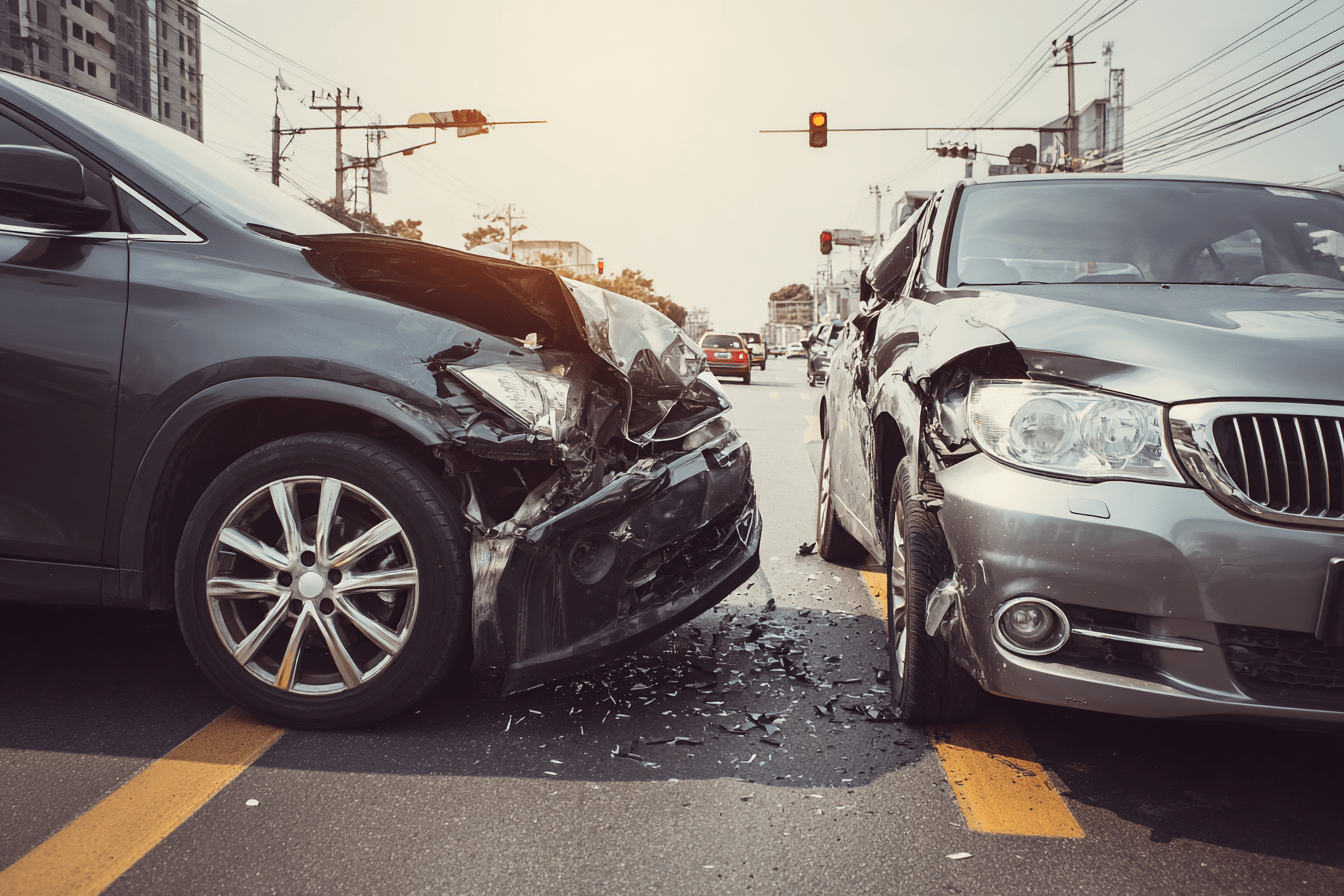
Being injured in a car accident that was not your fault in Nevada can leave you shaken, confused, and unsure what to do next. In the moments after a crash, adrenaline can mask injuries while important decisions must be made quickly. Medical bills, vehicle damage, and missed work often become immediate concerns. Many people assume the other driver’s insurance will handle everything fairly. That assumption can put your recovery and finances at risk.
The reality is that Nevada’s at-fault insurance system is unforgiving. Insurance companies move fast to protect themselves, not you, and they often look for reasons to reduce or deny claims. Delaying medical care, failing to document the scene, or saying the wrong thing can significantly reduce your compensation. Small mistakes made early can have lasting consequences.
In this article, you will discover what to do after a car accident in Nevada when it is not your fault, the exact steps you should take immediately, and how a Nevada car accident attorney can help you protect your rights and maximize your compensation.
What to Do After a Car Accident When It’s Not Your Fault
Check for Injuries and Call 911
Your first priority after any crash is safety. Check yourself and your passengers for injuries, but don’t move anyone who appears seriously hurt unless they’re in immediate danger from traffic or fire.
Call 911 right away, even if the accident seems minor. Adrenaline can mask pain and hide serious injuries like concussions or internal bleeding that need immediate medical attention.
Move to a Safe Location and Protect the Scene
If your car can drive and no one is seriously injured, Nevada’s Move It law requires you to clear the roadway. Move your vehicle to the shoulder or a nearby parking lot to prevent another crash.
Turn on your hazard lights immediately to warn other drivers. If you can’t move your car, stay inside with your seatbelt on until help arrives.
Exchange Information Required by Nevada Law
Nevada law requires all drivers to exchange specific information before leaving the scene. You must collect these details from the other driver:
- Personal Information: Full name, current address, and phone number
- Driver’s License: License number and state that issued it
- Insurance Details: Company name, policy number, and agent contact information
- Vehicle Information: Make, model, year, color, and license plate number
Stick to gathering facts only. Don’t discuss who caused the accident or admit any fault, even if you think you might have contributed somehow.
Photograph Vehicles, Roadway, and Injuries
Take photos and videos of everything at the accident scene using your phone. This visual evidence becomes crucial when proving the other driver was at fault and determining how much compensation you deserve.
Capture multiple angles of all vehicle damage, skid marks on the road, debris, traffic signs or signals, weather conditions, and any visible injuries you or your passengers have. The more documentation you have, the stronger your case becomes.
Do You Need to Call Police or File a Report?
When Is a Police Report Required in Nevada?
Nevada law requires you to report any accident that causes injury, death, or property damage of $750 or more to law enforcement. Given today’s vehicle repair costs, almost every accident meets this threshold.
Even if the damage appears minor, getting a police report creates an official record of what happened. This unbiased documentation becomes invaluable when dealing with insurance companies who might try to dispute your version of events.
How Do You Get Your LVMPD or NHP Report?
The responding officer will give you a report number at the scene. You can request a copy of the traffic collision report online from the Las Vegas Metropolitan Police Department (LVMPD) or the Nevada Highway Patrol (NHP).
Keep this report number in a safe place. Having the official report makes filing your insurance claim much smoother and provides solid evidence if you need to take legal action later.
Should You See a Doctor Even If You Feel Fine?
Hidden Injuries and Why Prompt Care Matters
You should see a doctor promptly after an accident, even if you feel perfectly fine. Many serious car accident injuries don’t show symptoms immediately but can become life-threatening if left untreated.
Common car accident injuries include whiplash, concussions, internal bleeding, and spinal cord damage. The adrenaline from the crash can mask pain for hours or even days, making you think you’re uninjured when you actually need medical care.
Getting prompt medical attention creates a documented link between the accident and your injuries. This medical record becomes essential evidence when seeking compensation from the at-fault driver’s insurance company.
Keep All Records, Bills, and Work Notes
Start organizing all accident-related documents immediately in a dedicated file. This documentation directly determines how much compensation you can recover for your losses.
Your file should include every medical record, doctor’s visit, test result, prescription, and treatment plan. Save all receipts for medical expenses, prescription medications, and mileage to medical appointments.
Document your lost income with pay stubs showing missed work and any letters from your employer about reduced duties or accommodations. Keep a daily journal noting your pain levels, physical limitations, and how the injuries affect your daily life and emotional well-being.
How Does Insurance Work When It Isn’t Your Fault in Nevada?
Should You Use MedPay and Health Insurance First?
Use your own health insurance or Medical Payments (MedPay) coverage to get immediate medical treatment. MedPay is optional coverage that pays your medical bills regardless of who caused the accident.
Don’t wait for the at-fault driver’s insurance to approve your treatment. This delay could harm your health and give the insurance company ammunition to argue your injuries weren’t serious since you didn’t seek immediate care.
Your insurance providers can seek reimbursement from the at-fault driver’s insurance later through a process called subrogation. This means you get the care you need now without worrying about payment delays.
How Do Claims Against the At-Fault Driver’s Insurer Work?
Since Nevada is an at-fault state, you’ll file a third-party claim with the other driver’s insurance company. The at-fault driver’s insurance should pay for all your damages, including medical bills, lost wages, and pain and suffering.
The insurance company will assign an adjuster to investigate your claim. Remember, this adjuster works for the insurance company, not for you, and their job is to pay as little as possible.
Be prepared for the adjuster to question the severity of your injuries, dispute medical treatment, and make lowball settlement offers. This is why having strong documentation and legal representation becomes so important.
What If the Other Driver Is Uninsured or Underinsured
Nevada requires drivers to carry minimum liability insurance of $25,000 per person for bodily injury, but that amount rarely covers serious injuries. Many drivers also drive without any insurance at all, despite it being illegal.
If the at-fault driver has no insurance or insufficient coverage, your own Uninsured/Underinsured Motorist (UM/UIM) coverage becomes your safety net. This coverage pays for your medical bills and other losses when the responsible party can’t.
Check your insurance policy to see what UM/UIM limits you have. If you don’t have this coverage or have low limits, you might face significant out-of-pocket expenses for someone else’s mistake.
Should You Talk to the Other Driver’s Adjuster?
Be extremely cautious when the other driver’s insurance adjuster contacts you. You have no legal obligation to provide them with a recorded statement, and anything you say can be used to reduce or deny your claim.
Insurance adjusters are trained to ask questions that might get you to admit partial fault or downplay your injuries. They often call soon after the accident when you’re still in pain and not thinking clearly.
We strongly recommend consulting with an experienced car accident attorney before having any detailed conversations with the other party’s insurance company. An attorney can handle these communications and protect your rights.
Nevada Is an At-Fault State. What Does That Mean for You?
Nevada follows an “at-fault” insurance system, which means the person who caused the accident is legally responsible for all resulting damages. This is different from “no-fault” states where your own insurance pays regardless of who was responsible.
In Nevada, you have the right to seek compensation directly from the at-fault driver and their insurance company for all your losses. You don’t have to rely on your own insurance to cover damages caused by someone else’s negligence.
Comparative Negligence and the 51 Percent Bar
Nevada uses a modified comparative negligence rule under NRS 41.141. This means you can still recover compensation even if you were partially at fault for the accident, as long as your share of blame is 50% or less.
Your final compensation gets reduced by your percentage of fault. For example, if you’re found 20% at fault and your damages total $100,000, you’d receive $80,000.
However, if you’re found 51% or more at fault, you cannot recover any compensation at all. This makes proving the other driver’s fault absolutely critical to your case.
Proving Fault with Strong Evidence
Building a strong case requires solid evidence that clearly shows the other driver caused the accident. The evidence you gathered at the scene becomes the foundation of your claim.
Key evidence includes the official police report, your photos and videos of the scene and vehicle damage, witness statements, and medical records linking your injuries to the crash. Traffic camera footage and expert accident reconstruction may also support your case.
As former insurance defense attorneys, we know exactly what evidence insurance companies find most convincing. We use this insider knowledge to build cases they cannot ignore or dispute.
What Common Mistakes Cost People Money
Apologizing or Admitting Fault
Never apologize or admit any responsibility at the accident scene, even if you think you might have contributed to the crash. Statements like “I’m sorry” or “I didn’t see you” can be twisted by insurance companies to argue you were at fault.
Under Nevada’s comparative negligence law, any admission of fault can reduce your compensation or eliminate it entirely if you’re found more than 50% responsible.
Stick to factual statements only when talking to police, other drivers, and witnesses. Save discussions about fault for your attorney and let the evidence speak for itself.
Delaying Medical Care
One of the most damaging mistakes is waiting to see a doctor. Insurance companies routinely argue that delayed medical treatment means your injuries weren’t serious or were caused by something other than the accident.
This “gap in treatment” argument is a standard tactic used to devalue or deny claims entirely. Even if you feel fine immediately after the crash, see a doctor within 24-72 hours to protect both your health and your legal rights.
Document every symptom and follow all treatment recommendations. Skipping appointments or stopping treatment early gives insurance companies more ammunition to fight your claim.
Posting on Social Media
Assume the other driver’s insurance company will monitor your social media accounts. Photos of you being active, comments about feeling better, or posts about vacation plans can be taken out of context to suggest you’re not as injured as claimed.
Even innocent posts can be misinterpreted and used against you. The safest approach is to avoid posting anything about the accident, your injuries, or your activities until your case is resolved.
Adjust your privacy settings and warn family and friends not to post photos or comments that could be misconstrued by insurance adjusters looking for reasons to deny your claim.
Accepting a Quick Low Settlement
Insurance companies often make early settlement offers before you fully understand the extent of your injuries and losses. These initial offers are almost always far below what your claim is actually worth.
Once you accept a settlement and sign a release, you cannot ask for more money later, even if your injuries turn out to be more serious than initially thought.
Never accept a settlement offer without consulting an experienced attorney who can properly evaluate your claim. Most of our clients receive significantly more compensation than initial insurance offers.
What If the Other Driver Is Uninsured or Flees?
Hit-and-Run Steps to Take
If the other driver flees the scene, this becomes a hit-and-run case, which is a felony in Nevada if anyone was injured. Take these immediate steps:
- Call 911 immediately: Report the fleeing vehicle and request police and medical assistance.
- Document everything: Write down any details about the other vehicle, including partial license plate numbers, make, model, color, and direction of travel.
- Find witnesses: Look for anyone who saw the crash or get contact information from other drivers who stopped.
- Check for cameras: Ask nearby businesses if they have security cameras that might have recorded the incident.
Time is critical in hit-and-run cases. The sooner you report it, the better chance police have of finding the responsible driver.
Using UM/UIM Coverage
In hit-and-run cases, the fleeing driver is treated as an uninsured motorist under your policy. This means you can file a claim under your own Uninsured Motorist (UM) coverage to pay for medical expenses and other damages.
You’ll need to prove that another vehicle caused the accident and that you weren’t at fault. The police report and any witness statements become crucial evidence in these cases.
Your UM coverage will pay up to your policy limits, which is why having adequate coverage is so important. Many people discover too late that they only have the minimum required coverage, which isn’t enough for serious injuries.
What If You Were a Passenger?
As a passenger, you’re never considered at fault for an accident, which puts you in the strongest legal position to recover compensation. You may have access to multiple insurance policies to cover your damages.
The primary source is the at-fault driver’s liability insurance. If that’s insufficient, you can also file claims against the insurance policy of the vehicle you were riding in, as well as your own auto insurance policy’s UM/UIM or MedPay coverage.
Having multiple sources of coverage often means passengers can recover more compensation than drivers involved in the same accident.
What Compensation Can You Recover?
Medical Bills, Lost Wages, Pain and Suffering
Nevada law allows you to recover compensation for all accident-related losses, which fall into different types of damages:
- Economic Damages: All financial losses including past and future medical bills, lost wages, reduced earning capacity, and out-of-pocket expenses
- Non-Economic Damages: Compensation for physical pain, emotional distress, mental anguish, and loss of enjoyment of life
- Punitive Damages: Additional punishment for extremely reckless behavior like drunk driving (awarded in rare cases)
The goal is to make you “whole” again by compensating for every way the accident has affected your life, both financially and personally.
Property Damage, Rental Car, and Diminished Value
Beyond injury-related compensation, you can also recover for all property damage caused by the accident. This includes the full cost to repair your vehicle or its actual cash value if it’s declared a total loss.
You’re entitled to a rental car while your vehicle is being repaired, and you may also be able to claim diminished value. Diminished value compensates you for the reduced resale value of your car after it’s been in an accident, even if perfectly repaired.
Keep all receipts related to vehicle damage, rental cars, towing, and storage fees. These costs add up quickly and are all recoverable from the at-fault driver’s insurance.
How Long Do You Have to File in Nevada?
Nevada law sets strict deadlines for filing lawsuits, called statutes of limitations. Missing these deadlines means losing your right to seek compensation forever, regardless of how strong your case might be.
For personal injury claims, you have exactly two years from the date of the accident to file a personal injury lawsuit. For property damage claims, you have three years from the accident date.
Don’t wait until the deadline approaches to take action. Building a strong case takes time, and evidence can disappear or become harder to obtain as time passes. Contact an attorney as soon as possible after your accident.
Hurt in a Nevada Crash That Wasn’t Your Fault?
At Ladah Injury & Car Accident Lawyers Las Vegas, we offer free consultations 24 hours a day, 7 days a week, because accidents don’t happen on a convenient schedule. We work on a contingency fee basis, which means you pay absolutely nothing unless and until we win your case.
We advance all costs necessary to investigate your case, gather evidence, hire expert witnesses, and take your case to trial if needed. You can focus on your recovery while we handle every aspect of your legal claim.
Our no-risk guarantee means you have nothing to lose by calling us and everything to gain by having experienced advocates fighting for your rights.
Frequently Asked Questions
Will My Insurance Rates Go Up if I’m Not at Fault in Nevada?
Your insurance rates should not increase if you’re not at fault for an accident, as Nevada law generally prohibits rate increases for not-at-fault claims.
Should I Use My Own Insurance or Wait for the Other Driver’s Insurer?
Use your own health insurance or MedPay coverage immediately for medical treatment rather than waiting for the at-fault driver’s insurance to approve care, as delays can harm both your health and your claim.
Do I Need a Police Report to File an Insurance Claim?
While not always legally required, a police report significantly strengthens your claim and is typically required by insurance companies for any substantial damage or injury claims.
What If I’m Visiting Nevada from Out of State?
Nevada’s at-fault laws apply to any accident occurring within the state regardless of where you live, and you have the same rights to pursue compensation as Nevada residents.
Can I Claim Diminished Value for My Repaired Vehicle?
Yes, Nevada recognizes diminished value claims that compensate you for your vehicle’s reduced resale value after being repaired from accident damage.
Do I Need a Lawyer for What Seems Like a Minor Accident?
Even minor accidents can result in serious injuries with delayed symptoms, and insurance companies often make unfair settlement offers that don’t fully compensate for your losses.
Contact Ladah Injury & Car Accident Lawyers Las Vegas Today
If you’ve been injured in a car accident that wasn’t your fault, don’t face the insurance companies alone. Our experienced team is available 24/7 to provide a free consultation and protect your rights from day one.
We know how overwhelming the aftermath of an accident can be, especially when you’re dealing with injuries, medical bills, and lost income. Let us handle the legal complexities while you focus on your recovery and getting your life back to normal.
Call Ladah Injury & Car Accident Lawyers Las Vegas today for your free consultation. We’re here to fight for the full compensation you deserve and ensure you’re not taken advantage of by insurance companies looking to minimize their payouts.