
Bus accident and injury compensation ranges from about $10,000 for minor injuries to over $1 million for severe or permanent disabilities. These figures offer a general idea of potential outcomes, but there is no true average because every case depends on factors such as injury severity, available insurance coverage, liability, and the strength of your evidence.
Bus accidents in Las Vegas can cause devastating injuries, leaving you with medical bills, lost income, and uncertainty about what your case is worth. Many people search for an “average” settlement amount, but no single figure applies because every case depends on factors like injury severity, available insurance, and fault. Settlements can range from around $10,000 for minor injuries to over $1 million for catastrophic cases involving permanent disability.
Insurance companies evaluate claims based on the type of bus involved, such as RTC public transit, tour buses, or hotel shuttles, and the strength of the evidence proving negligence. The more severe the injuries and long-term effects, the higher the potential compensation.
In this article, we explore the key factors that influence bus accident and injury compensation in Las Vegas and how these elements determine the value of your claim.
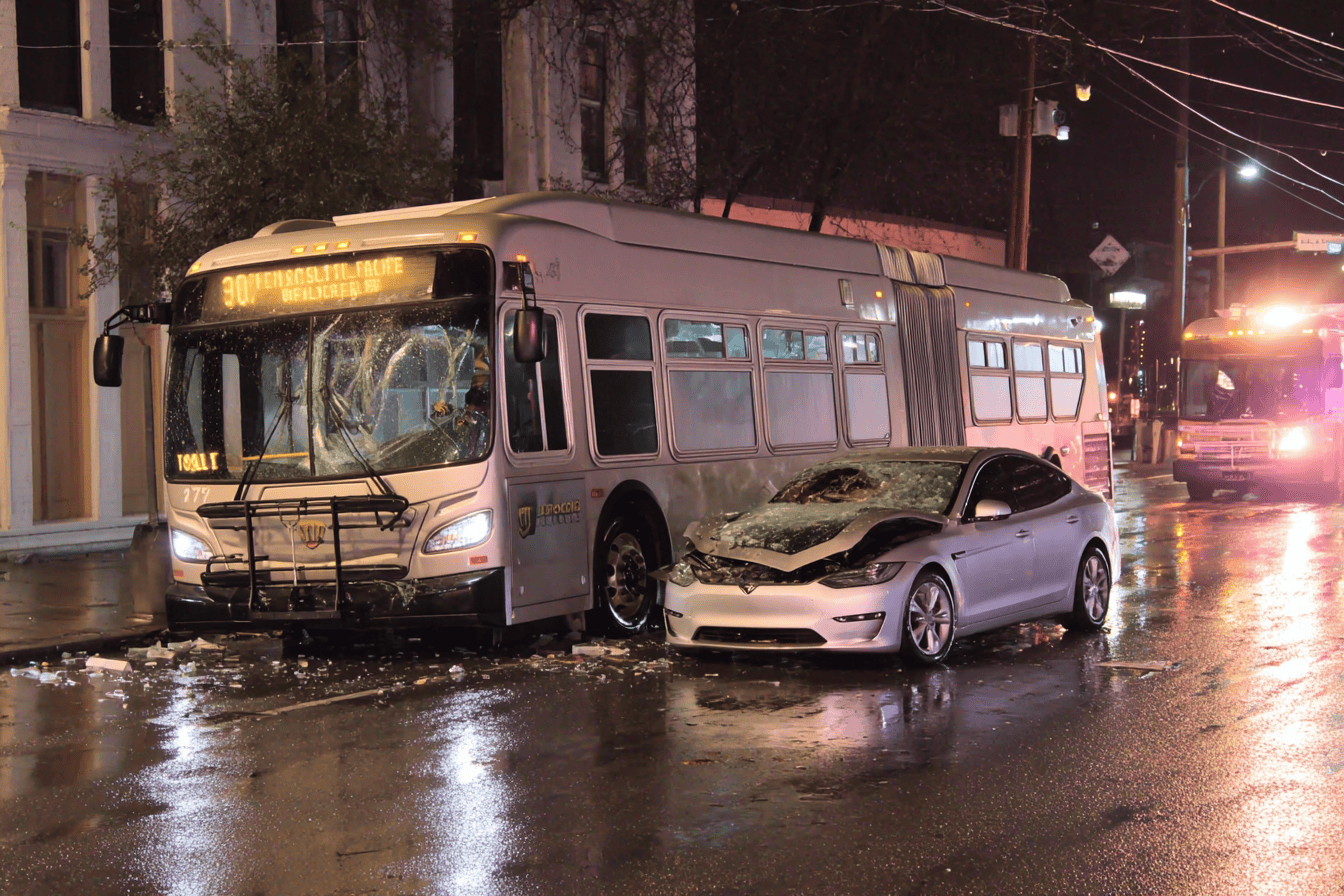
Factors that Affect Bus Accident Compensation
Your final settlement depends on several key factors that insurance companies and attorneys use to determine your claim’s value. These factors work together to create the total compensation you receive.
Key factors determining your compensation:
- Injury severity: More serious and permanent injuries lead to higher settlements
- Insurance limits: The amount of coverage available often caps your recovery
- Fault percentage: Your settlement reduces if you share blame for the accident
- Evidence quality: Strong documentation supports higher compensation
- Medical consistency: Gaps in treatment can lower your claim’s value
- Other victims: Multiple injured people must share the available insurance money
How Injury Severity Impacts Your Settlement
The severity of your injuries is the biggest factor in determining your settlement amount. Soft tissue injuries, like whiplash, result in lower compensation than catastrophic injuries like spinal cord damage.
Permanent impairments command much higher settlements because they affect your life forever. If you develop chronic pain, lose the use of a limb, or need ongoing medical care, your compensation increases significantly.
Future medical costs are also calculated into your settlement. This includes surgeries you’ll need, physical therapy sessions, medical equipment, and home modifications for disabilities.
How Insurance Coverage and Policy Limits Change Outcomes
A policy limit is the maximum amount an insurance company will pay for any single accident, no matter how severe your injuries are. This limit often becomes the ceiling for what you can recover.
Nevada requires different minimum coverage levels for different types of buses. Public buses like RTC have different requirements than private tour buses or hotel shuttles.
Sometimes multiple insurance policies apply to your accident. The bus company, driver, and maintenance provider might all have separate policies that could pay for your injuries.
How Liability and Comparative Fault Affect Compensation
Nevada follows a modified comparative negligence rule. This means you can still receive compensation even if you were partially at fault for the accident.
However, your settlement will be reduced by your percentage of fault. If you’re awarded $100,000 but found 20% at fault, you would receive only $80,000. If you’re found to be more than 50% at fault, you recover nothing.
Bus companies often try to shift blame to passengers to reduce what they have to pay. They might claim you weren’t holding on properly or were standing when you shouldn’t have been.
How Documentation and Evidence Support Your Claim
Strong evidence directly leads to higher settlement offers. Insurance companies pay more when they see clear proof of their driver’s fault and your injuries.
Essential documentation includes police reports, all medical records, photos of the accident scene, and witness statements. Bus surveillance video is especially powerful evidence, but it gets deleted quickly if not preserved.
Gaps in your documentation give insurance companies ammunition to argue your claim is worth less. They’ll use missing medical records or unclear accident details to reduce their offer.
Do Treatment Gaps and Preexisting Conditions Reduce Value
A treatment gap is any delay in getting medical care or missing appointments your doctor recommends. Insurance companies use these gaps to argue your injuries weren’t serious or were caused by something else.
If you had a back problem before the bus accident, the insurance company will try to blame your current pain on that old injury. However, you can still get compensation if the accident made your condition worse.
Following all your doctor’s recommendations protects your claim’s value. Go to every appointment, take prescribed medications, and complete physical therapy as directed.
How Multiple Claimants Affect Available Insurance
Bus accidents often injure many passengers at once, and they all file claims against the same insurance policy. When total claims exceed the policy limit, everyone has to share the available money.
This means you might receive less than your claim’s full value if many other people were also injured. Getting an attorney involved early can help secure more of the available funds before they’re depleted.
What Damages Can You Recover after a Bus Accident?
Nevada law allows you to recover compensation for both economic and non-economic losses from your bus accident. Economic damages are financial losses you can prove with bills and receipts. Non-economic damages compensate you for pain and suffering that don’t have a specific dollar amount.
Economic Damages You Can Claim
Economic damages reimburse you for every dollar the accident cost you. These damages are easier to calculate because they have specific amounts attached to them.
Recoverable economic damages include:
- Medical expenses: All past and future medical costs including emergency room visits, surgeries, medications, and physical therapy.
- Lost wages: Income you missed while recovering from your injuries.
- Future earning loss: Reduced income if your injuries prevent you from returning to your previous job.
- Property damage: Replacement costs for damaged phones, laptops, clothing, or other personal items.
- Transportation costs: Money spent traveling to medical appointments.
- Home modifications: Costs to make your home accessible if you have permanent disabilities.
Non-Economic Damages for Pain and Suffering
Non-economic damages compensate you for the personal impact of your injuries that can’t be measured in dollars. These acknowledge that injuries affect more than just your wallet.
You can recover compensation for physical pain, emotional distress, loss of enjoyment of life, permanent scarring or disfigurement, and damage to your relationship with your spouse as types of damages recognized under Nevada law. Nevada doesn’t cap these damages in bus accident cases, so they can be substantial for serious injuries.
Punitive Damages in Rare Cases
Punitive damages punish the at-fault party for extremely reckless behavior rather than compensate you for losses. These are rare but possible in cases involving drunk bus drivers or companies that ignore safety violations.
You need clear evidence of gross negligence to get punitive damages. Examples include a bus company that knowingly puts unsafe vehicles on the road or drivers with multiple DUI convictions.
How RTC Bus Claims Differ from Private and Tour Bus Claims
Claims against government-operated buses like the RTC follow different rules than claims against private companies. The government has special legal protections that create additional hurdles for your claim.
Government Notice Deadlines for RTC and Public Transit
For private bus accidents, you typically have two years to file a lawsuit. However, RTC claims require that you file a formal notice within a much shorter timeframe than typical personal injury claims.
This notice must follow specific procedures and include exact information about your accident and injuries. Missing this six-month deadline completely bars you from ever recovering compensation from the RTC.
Sovereign Immunity Issues with Public Transit
Sovereign immunity gives government entities special protections against lawsuits. While you can still recover money from the RTC, the process involves more legal hurdles than standard personal injury claims.
These protections can limit the types of damages you can recover and create additional procedural requirements that your attorney must follow.
RTC Insurance and Coverage Basics
The RTC is self-insured, meaning it pays claims from its own funds rather than through a traditional insurance company. Its coverage varies depending on the severity of the accident and the specifics of the policy involved.
RTC claims often involve more bureaucracy and slower processing than private insurance claims. The government entity must investigate the claim through its own procedures before making settlement offers.
Private and Tour Bus Insurance Limits
Private companies, like tour bus operators and hotel shuttles carry commercial insurance policies typically ranging from $1.5 million to $5 million, while Las Vegas rideshare accident cases involve similar commercial coverage requirements. These claims follow standard personal injury procedures without government complications.
Tour buses often carry higher coverage limits because they transport tourists who might file claims from out of state. Private claims generally resolve faster than government claims.
What Are Typical Insurance Limits in Nevada Bus Cases?
Knowing typical insurance coverage helps set realistic expectations for your potential recovery. These limits represent the maximum amount available for all victims of a single accident.
| Bus Type | Minimum Required | Typical Coverage |
| RTC/Public Transit | $750,000 | $1-5 million |
| Tour/Charter Bus | $1.5 million | $2-5 million |
| School Bus | $1 million | $2-3 million |
| Hotel Shuttle | $750,000 | $1-2 million |
Remember that these policy limits cover the entire accident, not each individual person injured. If multiple people are hurt, they all share the available coverage.
How Long Do Bus Accident Settlements Take in Nevada?
Settlement timelines vary based on your case’s complexity and the severity of your injuries. Simple cases involving minor injuries and clear fault often resolve more quickly than more complex claims.
More complex cases often take longer to settle than simpler ones. Cases involving severe injuries or disputes about fault often take longer to resolve, particularly if a lawsuit is required.
Factors that affect settlement speed:
- Treatment duration: You can’t settle until you finish medical treatment or reach maximum recovery
- Fault clarity: Clear evidence of the bus driver’s fault speeds up the process
- Insurance cooperation: Some companies negotiate fairly while others delay and deny claims
- Number of victims: Multiple injured people can slow down the process as everyone negotiates
- Litigation necessity: Filing a lawsuit adds months or years to the timeline
RTC claims often take longer due to government procedures and bureaucracy. Don’t rush your settlement just to get money faster, as this usually means accepting less than your claim is worth.
Can You Recover Compensation if You Were Partially at Fault?
You can still recover compensation in Nevada even if you were partially at fault for the bus accident. Nevada follows a modified comparative negligence rule that allows recovery as long as you’re less than 51% at fault.
Your settlement gets reduced by your percentage of fault. For example, if you’re awarded $100,000 but found 20% at fault, you receive $80,000. If you are 51% or more at fault, you get nothing.
Bus companies aggressively try to shift blame to reduce their payouts. They might claim you were standing when you should have been seated or weren’t holding on properly during the crash.
Steps to Take to Strengthen Your Bus Accident Claim
Taking the right steps immediately after your accident significantly impacts your settlement amount. These actions help preserve evidence and protect your claim’s value.
Get Immediate Medical Care
Seek prompt medical attention after your accident, even if you feel fine. Some injuries like internal bleeding or brain trauma don’t show symptoms immediately but can be life-threatening.
Emergency room visits create official documentation of your injuries that insurance companies can’t dispute. Delays in seeking treatment give insurers ammunition to argue your injuries weren’t serious.
Report the Crash and Get the Police Report
Call 911 to report the accident and request police response. The police report creates an unbiased record of what happened and may include citations against the bus driver.
Get a copy of the police report as soon as it’s available. This document becomes crucial evidence for proving fault and supporting your insurance claim.
Preserve Bus Video and Data Immediately
Buses have surveillance cameras that record accidents, but this footage gets deleted quickly. Surveillance footage from buses may be deleted swiftly unless there is a legal obligation to preserve it.
Your attorney can send a preservation letter to prevent this deletion, but time is critical. Waiting even a few days might mean losing this powerful evidence forever.
Capture Evidence and Witnesses
Take photos of the bus damage, your injuries, the accident scene, and road conditions if you’re able. Additionally, get contact information from witnesses before they leave the scene.
Passenger witnesses are especially valuable because they experienced the same crash you did. Their statements can support your version of events and counter the bus company’s attempts to blame you.
Avoid Recorded Statements to Insurers
Insurance adjusters will call asking for recorded statements about your accident. These calls are designed to get you to say something that hurts your claim.
Politely decline to give recorded statements and refer the adjuster to your attorney. Anything you say can be used against you later to reduce your settlement.
Track Losses and Keep a Recovery Journal
Document your daily pain levels, activities you can’t do, and how the injuries affect your mood and relationships. This journal becomes evidence of your pain and suffering damages.
Keep track of all medical appointments, missed work days, cancelled plans, and recovery milestones. Detailed records strengthen your claim and help calculate your total losses.
Contact a Las Vegas Bus Crash Lawyer Early
Early legal representation prevents costly mistakes and preserves crucial evidence. Attorneys understand RTC notice requirements and know how to handle insurance negotiations.
We’re available 24/7 for free consultations and work on contingency, meaning you pay nothing unless we win your case. Don’t try to handle a complex bus accident claim on your own.
Common Bus Accident Injuries in Las Vegas
Bus design creates unique injury patterns that differ from car accidents. Buses have high centers of gravity, limited seatbelts, and many standing passengers who get thrown around during crashes.
Traumatic Brain Injuries
Traumatic brain injury (TBI) occurs when your brain gets damaged from impact or violent motion. Bus passengers often strike windows, poles, or seats during crashes, causing these injuries.
Even mild TBI, like concussions, can cause long-term problems including headaches, memory issues, and personality changes. Severe TBI can result in permanent disability requiring lifelong care.
Spine and Disc Injuries
Sudden bus movements compress and twist your spine, causing herniated discs, compression fractures, and nerve damage. These injuries often require surgery and can cause permanent limitations.
Spinal cord injuries are among the most serious bus accident injuries, potentially causing paralysis and requiring extensive medical care and home modifications.
Fractures and Orthopedic Injuries
Bus accidents commonly cause broken ribs from impacting seats, arm fractures from bracing for impact, and hip fractures in elderly passengers who fall, representing just some of the types of injuries that affect settlement values. Complex fractures may need multiple surgeries and metal hardware.
These injuries can take months to heal and may leave you with permanent limitations or chronic pain that affects your ability to work and enjoy life.
Internal Organ Injuries
Blunt force trauma can damage internal organs without visible external wounds. Examples include liver lacerations, spleen ruptures, and internal bleeding that can be life-threatening.
These injuries require immediate emergency treatment and may need surgery to repair. They often result in extended hospital stays and significant medical expenses.
Scars and Disfigurement
Broken glass and metal surfaces cause permanent scarring, especially to the face and hands. Facial scars particularly impact your quality of life and self-esteem.
Scar revision surgeries can improve appearance but rarely eliminate scarring completely. Permanent disfigurement significantly increases your claim’s value.
Psychological Trauma
Many bus accident victims develop post-traumatic stress disorder (PTSD) or anxiety disorders following traumatic crashes. Fear of buses or public transportation is a real and compensable injury.
Therapy costs and emotional suffering add significant value to your claim. Don’t minimize the psychological impact of your accident when calculating damages.
How Our Bus Accident Lawyers Help Maximize Your Compensation
As former insurance defense attorneys, we know exactly how insurance companies evaluate and minimize claims. We use this insider knowledge to build powerful cases that secure maximum compensation for our clients.
How we fight for maximum compensation:
- Immediate investigation: We preserve bus video and gather evidence before it disappears.
- Expert witnesses: We work with accident reconstructionists to prove fault and medical experts to document your injuries.
- Full damage calculation: We calculate all current and future damages including medical care you’ll need years from now.
- Aggressive negotiation: We fight insurance companies that try to lowball settlement offers.
- Trial preparation: We file lawsuits when insurers won’t pay fair value and take cases to trial if necessary.
- Deadline management: We handle all RTC notice requirements and legal deadlines.
- Cost advancement: We pay all case expenses upfront so you pay nothing out of pocket.
- 24/7 availability: We’re always available to answer questions and provide updates
Contact us today at (702) 252-0055 for a free case evaluation to learn what your bus accident claim is really worth.
Injured in a Las Vegas Bus Accident? Get a Free Consultation Today
Your bus accident injuries deserve full compensation, not whatever the insurance company wants to pay. We help injury victims pursue full compensation because we understand how insurers try to minimize claims.
Our former insurance defense attorneys use insider knowledge to maximize your settlement. We know the tactics adjusters use to deny and devalue claims, and we counter every one of them.
Call (702) 252-0055 now for your free consultation, or submit our online form for a confidential case review. We work on contingency fees, meaning you pay nothing unless we win your case.
Don’t let the insurance company decide your claim’s value. Let us fight for every dollar you deserve.
Frequently Asked Questions
How Long Do Bus Accident Settlements Take?
Bus accident settlements may resolve relatively quickly in straightforward cases, while complex claims involving severe injuries or multiple parties can take significantly longer. RTC claims often take longer due to government procedures.
Can I Recover Compensation if I Was Partially at Fault?
Yes, Nevada law allows recovery if you are less than 51% at fault, although your compensation is reduced by your percentage of fault. For example, if you’re 20% at fault, your settlement decreases by 20%.
What Is the RTC Notice Deadline?
Notify the RTC as soon as possible and consult an attorney to learn about any applicable notice deadlines and how to preserve your right to seek compensation.
How Do I Preserve RTC Bus Video?
Contact an attorney promptly so they can send a preservation letter to try to secure bus surveillance footage before it may be lost. Bus companies often delete surveillance footage unless they are legally required to preserve it.
Are Bus Accident Settlements Taxable?
Personal injury settlements for physical injuries are generally not taxable income, though portions awarded for lost wages may be subject to taxes. Consult a tax professional for specific advice about your settlement.
Can Tourists File Claims from Out of State?
Yes, tourists injured in Las Vegas bus accidents have the same legal rights as residents and can work with local attorneys remotely. Your residency doesn’t affect your right to compensation.
What if the Insurance Company Gave Me a Low Offer?
Never accept the first settlement offer without legal review, since initial offers are often below the true value of your claim.
How Do Attorney Fees and Costs Work?
We handle cases on a contingency basis — you pay attorney fees only if we obtain compensation, and we advance all case costs so you pay nothing upfront.
Final Thoughts
While average settlement amounts vary widely based on your specific circumstances, understanding these factors helps set realistic expectations for your claim. Taking swift action after your accident preserves crucial evidence and protects your claim’s maximum value.
Every bus accident case is unique with different injuries, insurance coverage, and liability factors. Call us at (702) 252-0055 to learn what your specific injuries and circumstances are really worth in today’s legal environment.