
You can file a police report in Las Vegas through the Las Vegas Metropolitan Police Department (LVMPD) online system, by calling their non-emergency line at (702) 828-3111, or by visiting any LVMPD station in person. The online system works 24/7 for situations like minor theft, vandalism, or harassment, while more serious incidents require phone or in-person filing.
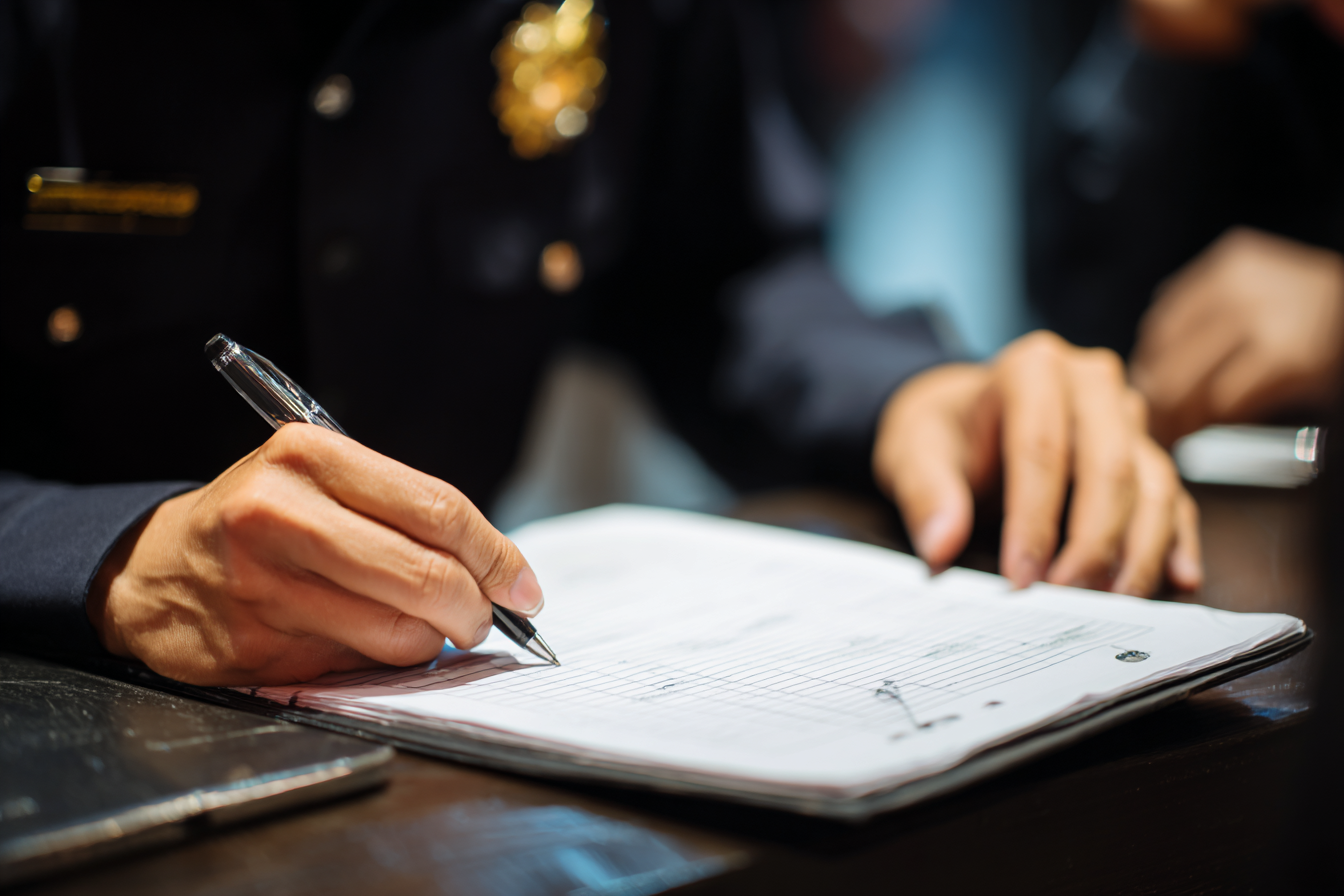
Filing a police report correctly protects your legal rights and strengthens any insurance claims or potential personal injury lawsuits following an accident or incident. Whether you’re dealing with a car accident, property damage, or other incident in Las Vegas, understanding the proper filing process helps ensure your case gets documented accurately and meets all legal requirements.
This guide walks you through when to call 911 versus filing a non-emergency report, how to use LVMPD’s online system, what information you need to gather, and the critical deadlines you must meet to protect yourself legally.
When to Call 911 vs File a Report
Your first decision after an incident is whether to call 911 or file a non-emergency report later. Call 911 immediately if anyone is injured, a crime is actively happening, or there’s immediate danger to you or others.
For situations with no immediate threat or injuries, you can file a police report through other methods. These include minor property damage, theft you discovered hours or days later, or vandalism where the suspect is long gone.
- Emergency situations: Any injuries requiring medical attention, DUI accident with driver still at the scene, ongoing danger, or crimes in progress
- Non-emergency situations: Minor fender-bender where you exchanged information, property damage under $750 with no injuries, or past theft with no suspect present
For non-emergency reports, you can contact the Las Vegas Metropolitan Police Department (LVMPD) at their non-emergency number: (702) 828-3111. This saves emergency resources for true emergencies while still getting your incident officially documented.

Where to File in the Las Vegas Area
Where your incident happened determines which police department handles your report. The LVMPD covers the City of Las Vegas and unincorporated areas of Clark County.
If your incident occurred in Henderson, you’ll need to contact Henderson Police. For North Las Vegas incidents, contact North Las Vegas Police Department. State highway incidents go to the Nevada Highway Patrol.
You can visit the LVMPD headquarters or any area command station in Las Vegas to file a police report in person. You can also visit any LVMPD area command station throughout the valley. The headquarters has extended hours compared to other stations and is open to assist visitors throughout the week.
Filing online is a convenient option since it’s available 24/7 and provides immediate results.
LVMPD Online Police Report Eligibility
The LVMPD online reporting system allows you to file specific non-emergency incident reports at your convenience. You’ll answer screening questions to determine if your situation qualifies for online filing.
Filing online gives you a temporary report number immediately and lets you print a free copy for your records. This method works best for simple incidents like minor theft under $5,000, vandalism, or lost property.
The online system walks you through each step and tells you exactly what information you need. You can save your progress and return later if you need to gather more details.
What You Cannot File Online
The online system cannot handle more complex situations that require police investigation or evidence collection. You’ll be directed to file by phone or in person if your incident involves any of these circumstances:
- The incident happened outside LVMPD’s jurisdiction
- Someone was injured or a weapon was involved
- A vehicle or license plates were stolen
- Identity theft, financial crimes, or fraud occurred
- Physical evidence needs collection by an officer
- The suspect is known and could be arrested
- The incident involves domestic violence
Don’t worry if you can’t file online; there are other ways to do it that work just as well.
How to File by Phone or In Person
Calling 311 or the LVMPD non-emergency number at (702) 828-3111 connects you with an operator who can take your report over the phone. This works well for incidents that don’t qualify for online filing but don’t require in-person evidence collection.
Phone reports typically take 15-30 minutes depending on the complexity of your incident. The operator will ask you detailed questions and may transfer you to a specialist if needed.
For in-person reports, you can visit any LVMPD area command station during their regular business hours. The main headquarters has extended hours and handles walk-ins without appointments. Bring all your documentation and be prepared to wait during busy periods.
In-person filing works best when you have physical evidence to show officers or when your case is complex enough to need detailed explanation.
What Information You Need
Having complete information ready speeds up the filing process and ensures your report is accurate. Whether you file online, by phone, or in person, gather these details beforehand.
Missing information can cause delays or require you to file supplemental reports later. Take time to collect everything before you start the process.
Personal information you’ll need:
- Your full legal name, current address, and phone number
- Valid photo identification like a driver’s license or state ID
- Your date of birth and Social Security number
Incident details required:
- Exact date and time when the incident occurred
- Specific location with street address or nearest intersection
- Clear description of what happened in chronological order
Other parties involved:
- Full names and contact information for everyone involved
- Driver’s license numbers for all drivers
- Insurance company names and policy numbers
- Vehicle information including make, model, year, color, and license plates
Supporting evidence:
- Photos of damage, injuries, or the scene
- Witness names and contact information
- Any video footage from security cameras or phones
- Medical records if injuries occurred
How Long You Have to Report and DMV SR-1
Nevada law requires you to report certain incidents within specific timeframes. For car accidents with injuries, death, or property damage over $750, you have precisely 10 days to file both a police report and a DMV form.
The DMV form is called an SR-1 Report of Traffic Accident. SR-1 stands for Safety Responsibility form, and it’s separate from your police report. Even if police responded to your accident scene, you’re still responsible for filing the SR-1 yourself.
Missing the 10-day deadline can result in automatic suspension of your driver’s license. The DMV doesn’t make exceptions for late filings, so mark your calendar and file as soon as possible after your accident.
You can download the SR-1 form from the Nevada DMV website or pick one up at any DMV office. The form asks for the same basic information as your police report but goes directly to the state for license monitoring purposes.
How to Get LVMPD Records and Report Copies
After you file a report, there may be a waiting period before copies become available. Complex cases involving multiple parties or extensive investigation may take longer to complete.
You can request copies of your report through three methods: online through the LVMPD website, in person at any police station, or by mail with proper documentation.
Report Processing Time and Fees
Official copies of police reports require a small processing fee. You’ll need valid photo identification to request any report, and third parties need notarized authorization from the involved parties.
| Report Type | Cost |
| Incident Report | $12.00 |
| Traffic Collision Report | $12.00 |
| Supplemental Reports | $12.00 |
Payment methods include cash, check, or money order when requesting in person. Online requests accept credit cards, and mail requests require money orders or cashier’s checks.
The fee covers administrative costs and helps maintain the records system. You can request multiple copies of the same report, but each copy requires a separate fee.
Admissibility and False Reporting
Police reports serve as official documentation but have limitations in legal proceedings. The report itself is considered hearsay and generally cannot be used as direct evidence in Nevada courts.
However, filing a report remains crucial for insurance claims and creating an official record of events. Insurance companies rely heavily on police reports when determining fault and processing claims.
Providing false information when filing a report is a serious crime in Nevada. Under state law NRS 207.280, knowingly filing a false police report is a misdemeanor punishable by up to $1,000 in fines and six months in jail.
- Stick to facts: Only report what you directly witnessed or experienced
- Avoid assumptions: Don’t guess about things you didn’t see happen
- Be honest about uncertainty: It’s okay to say “I don’t know” or “I’m not sure”
The consequences of false reporting aren’t worth the risk, and honest reports protect everyone involved.
Step-by-Step After a Car Accident
Car accidents create stress and confusion, making it easy to forget necessary steps. Following a precise sequence helps protect your legal rights and ensures proper documentation.
Your actions in the first few minutes after an accident, particularly in hit-and-run situations, can significantly impact insurance claims and potential legal proceedings.
Immediate Safety and Documentation Steps
Priority one is safety for everyone involved. Check yourself and passengers for injuries first, then assess the other vehicle’s occupants. Call 911 immediately if anyone needs medical attention, even for seemingly minor injuries.
Move vehicles out of traffic if possible and safe to do so. Turn on hazard lights and set up flares or warning triangles if available. If vehicles can’t be moved safely, leave them where they are and wait for help.
Exchange essential information with the other driver:
- Full names and contact phone numbers
- Driver’s license numbers and addresses
- Insurance company names and policy numbers
- Vehicle make, model, year, and license plate numbers
- Location where each driver can be reached later
Document the scene thoroughly before anyone leaves. Take photos of all vehicles from multiple angles, showing damage and license plates clearly. Photograph the accident scene, including street signs, traffic signals, and road conditions.
Locate witnesses and get their contact information. Ask for names and phone numbers from anyone who saw the accident happen. Witness statements can be crucial if there are disputes about fault later.
Contact police to file a report or ensure you file within 10 days. Even if police don’t respond to the scene, Nevada law requires reporting accidents with over $750 in damage or any injuries.
Notify your insurance company as soon as possible. Most policies require prompt reporting of accidents, regardless of who was at fault. Delays in reporting can complicate your claim or even result in denial of coverage.
Keep detailed records of everything related to the accident. Save all medical bills, repair estimates, towing receipts, and rental car expenses. These documents support your insurance claim and any potential legal action.
Your Next Steps After a Crash: Documentation and Legal Help
Filing a police report in Las Vegas is a crucial step to protect your legal rights, document incidents accurately, and support any insurance or legal claims. Whether you file online, by phone, or in person, providing complete and accurate information immediately after an incident is essential.
Remember that compliance with Nevada laws, such as submitting the DMV SR-1 form for motor vehicle accidents, helps you avoid penalties and streamlines the entire process.
If you have been injured in a car accident, understanding your rights and options for compensation is critical. Navigating insurance claims and legal processes can be overwhelming, especially when you are dealing with injuries and financial stress.
Injured in a Las Vegas Crash? Get Free Legal Help Today
That’s where experienced legal support makes all the difference. At Ladah Injury & Car Accident Lawyers Las Vegas, our dedicated team specializes in helping victims of car accidents get the justice and compensation they deserve.
Contact Ladah Injury & Car Accident Lawyers Las Vegas today for a free consultation. Speak with a trusted legal professional who will fight for your best interests and help you receive the maximum compensation for your injuries, medical bills, lost wages, and pain and suffering.

Frequently Asked Questions
Can I add information to my LVMPD report after filing it?
You can provide additional information by contacting the LVMPD Records Bureau, but the original report stays unchanged. Your new information becomes a supplemental report that gets added to the case file.
Do I need to file the DMV SR-1 form if police didn’t come to my accident?
Yes, the SR-1 requirement exists regardless of police response and must be filed within 10 days for any accident with over $750 in damage or injuries. Missing this deadline can result in license suspension.
Can tourists file Las Vegas police reports after leaving Nevada?
Yes, visitors can file reports after returning home by calling (702) 828-3111 or using the online system if eligible. The LVMPD accommodates out-of-state residents who need to file reports.
How long before I can get a copy of my Las Vegas accident report?
Most reports are available within 10 business days of filing, though complex investigations may take longer. You can check availability by calling the Records Bureau or checking online.
Can I request 911 recordings and police body camera footage?
Yes, these records are available through public records requests to the LVMPD Communications Research Office. Fees and processing times vary depending on the complexity of your request.
Will my insurance claim be hurt if I don’t file a police report?
Not filing a report significantly weakens insurance claims because it removes official documentation that insurers rely on for processing. Nevada law also requires reporting for accidents over $750 in damage.
Do I have to state the other driver’s insurance company?
No, you have no legal obligation to speak with the other driver’s insurance company. We strongly recommend consulting with an attorney before giving any recorded statements to protect your rights.