
Bicycle accident compensation in Las Vegas covers both financial losses and personal harm caused by a negligent driver. Recoverable damages may include medical bills, future care, lost wages, reduced earning capacity, pain and suffering, emotional distress, property damage to your bicycle and gear, loss of enjoyment of life, and in serious cases, scarring, loss of consortium, punitive damages, or wrongful death compensation.
Bicycle accident victims in Las Vegas can recover compensation for medical bills, lost wages, pain and suffering, property damage, and other losses caused by negligent drivers. Nevada law allows you to seek both economic damages (like hospital costs and missed paychecks) and non-economic damages (like emotional distress and reduced quality of life). The total value depends on your injury severity, fault determination, available insurance coverage, and how well you document your losses.
When another person’s negligence causes your bicycle accident, you deserve full compensation for every way the crash has impacted your life. However, insurance companies often minimize claims or deny coverage entirely, leaving you struggling with mounting bills and incomplete recovery. Understanding what damages you can recover and how to prove their value protects you from accepting inadequate settlements that don’t cover your true losses.
This article explains the types of compensation available after bicycle accidents in Las Vegas, how Nevada laws affect your recovery, and how a bicycle accident attorney can help maximize your claim’s value.
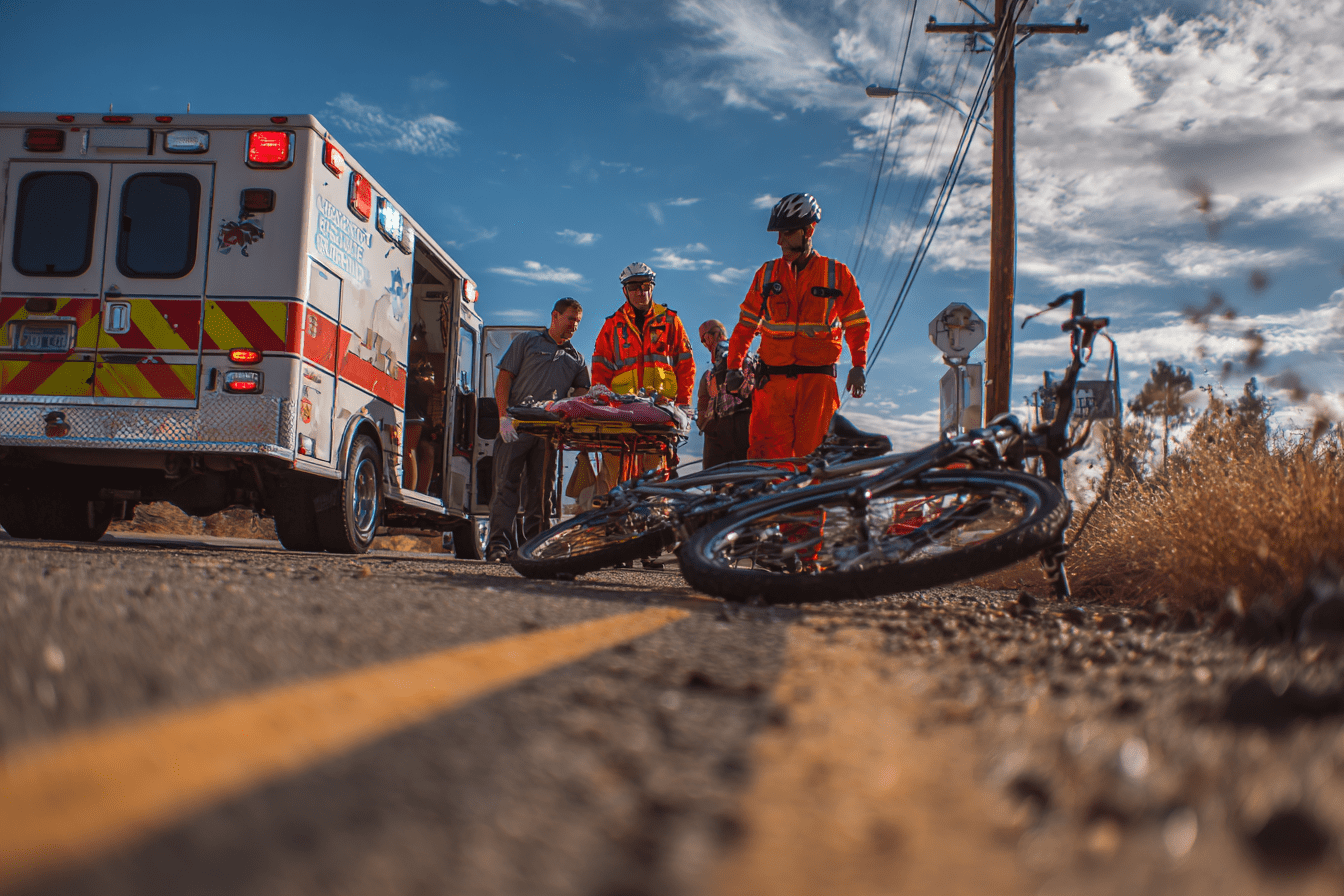
What Compensation Can You Recover After a Bicycle Accident in Las Vegas?
Medical Bills and Future Care
Medical expenses form the foundation of most bicycle accident claims. This includes immediate costs like ambulance rides, emergency room visits, surgeries, and hospital stays. Future medical care is equally important, physical therapy sessions, follow-up doctor appointments, prescription medications, and any additional surgeries you might need.
Your doctor must estimate future treatment costs and include them in your claim. Insurance companies often try to minimize these future expenses, but experienced attorneys know how to prove their necessity.
Lost Wages and Loss of Earning Capacity
Lost wages are the paychecks you missed while recovering from your injuries. You can recover this money by showing your employer’s records and pay stubs from before the accident.
Loss of earning capacity is different, it covers your reduced ability to make money in the future. If your injuries prevent you from returning to your old job or force you to work fewer hours, you deserve compensation for this permanent loss. Self-employed cyclists need tax returns and business records to prove their income.
Pain and Suffering
Pain and suffering compensation covers the physical pain and emotional distress you experience because of your injuries. This is called “non-economic” damage because you don’t have receipts for it, but the impact is very real.
The amount depends on how severe your injuries are and how long you suffer. Broken bones that heal in a few months receive less than spinal injuries that cause lifelong pain.
Emotional Distress and PTSD
Bicycle accidents are traumatic events that can cause lasting psychological harm. Many cyclists develop anxiety about riding again, depression from their limitations, or post-traumatic stress disorder from the crash itself.
Mental health treatment is expensive, and your emotional recovery matters just as much as your physical healing. You can seek compensation for therapy costs and the impact on your daily life.
Loss of Enjoyment of Life
Serious injuries often prevent you from doing activities you once loved. Maybe you can’t ride your bike anymore, play with your children, or participate in sports you enjoyed.
This compensation recognizes that your quality of life has real value. Courts understand that being unable to enjoy your hobbies and activities is a significant loss that deserves payment.
Scarring and Disfigurement
Road rash, facial injuries, and surgical scars can permanently change your appearance. These visible reminders of the accident can cause emotional distress and affect your self-confidence.
You may need expensive scar revision surgery or other cosmetic procedures. Compensation covers these costs and acknowledges the lasting impact on your life.
Property Damage to Your Bike and Gear
You deserve full compensation for repairing or replacing everything damaged in the crash. This includes your bicycle, helmet, cycling computer, specialty clothing, and any other equipment.
High-end bicycles can cost thousands of dollars, and you shouldn’t have to pay to replace what someone else destroyed. Keep receipts and get written estimates from bike shops to prove the value.
Loss of Consortium
When bicycle accidents cause severe, life-changing injuries, they affect your entire family. Loss of consortium compensates your spouse for losing companionship, support, and intimacy because of your injuries.
This damage recognizes that serious injuries hurt more than just the victim. Your family suffers too when you can’t provide the same emotional and physical support you once did.
Wrongful Death Damages
If a cyclist dies in an accident, their family can file a wrongful death claim. This allows them to recover money for funeral expenses, lost financial support the victim would have provided, and compensation for their grief and loss.
Nevada law allows spouses, children, and parents to file wrongful death claims. Each family member can seek damages for their individual losses.
Punitive Damages in Nevada
Punitive damages punish extremely reckless behavior like drunk driving or road rage incidents. These aren’t meant to compensate you for losses but to punish the wrongdoer and prevent similar behavior.
Nevada generally caps punitive damages at $300,000 or three times your other damages, whichever is greater. Courts only award these in cases involving outrageous conduct that shocks the conscience.
How Much is Your Bicycle Accident Claim Worth?
Every bicycle accident case has unique value based on your specific situation. Online calculators can’t account for the details that matter most in your case. Accurate valuation requires analyzing multiple factors that experienced attorneys understand.
Factors That Drive Case Value
Several key elements determine how much compensation you can recover:
- Injury severity: More serious and permanent injuries result in higher compensation
- Total medical costs: Your past and future medical bills directly impact claim value
- Recovery time: Longer, more difficult recoveries increase pain and suffering damages
- Permanent effects: Lasting disabilities, scarring, or limitations significantly boost claim worth
- Insurance coverage: Available policy limits can unfortunately cap your recovery
- Clear liability: Strong evidence of the driver’s fault strengthens your negotiating position
The most valuable cases involve catastrophic injuries with clear driver fault and adequate insurance coverage.
How Pain and Suffering is Calculated
Insurance companies and attorneys use two main methods to estimate pain and suffering value. The multiplier method estimates pain and suffering by multiplying your total medical bills by a factor that reflects the severity of your injuries.
The per diem method assigns a daily dollar amount for each day you experience pain and limitations. More severe injuries and longer recovery periods result in higher multipliers or daily rates.
How Comparative Fault Affects Your Recovery
Nevada follows modified comparative negligence, which means your compensation decreases if you share fault for the accident. If you’re found 20% at fault, your total award reduces by 20%.
If you’re 51% or more at fault, you recover nothing at all. This makes proving the driver’s negligence crucial to your case’s success.
What Nevada Laws Impact Your Damages?
Specific Nevada laws directly affect what you can recover and how you prove your bicycle accident case. Understanding these rules helps set realistic expectations and build stronger claims.
Nevada’s Modified Comparative Negligence Rule
Nevada’s 51% bar rule is critical to understand. If your total damages equal $100,000 but you were 30% at fault for not signaling, your maximum recovery becomes $70,000.
This rule makes documenting every traffic law the driver violated essential. The more evidence you have of their negligence, the less fault gets assigned to you.
Statute of Limitations for Bicycle Injury Claims
You have exactly two years from your accident date to file a personal injury lawsuit in Nevada. Missing this deadline almost always means losing your right to any compensation.
The clock starts ticking on the accident date, not when you discover injuries or finish medical treatment. Don’t wait, contact an attorney as soon as possible to protect your rights.
Three Foot Passing and Other Bike Laws
Nevada has specific traffic laws protecting cyclists that can strengthen your claim when drivers violate them:
- Three-foot rule: Drivers must provide at least three feet of space when passing cyclists
- Equal road rights: Bicycles have the same rights as cars and can use full traffic lanes
- Bike lane protection: Motorists cannot stop, park, or drive in designated bike lanes
Proving the driver violated these laws helps establish their fault and your right to compensation.
Helmet Use and Claim Impact
Nevada doesn’t require adults to wear bicycle helmets, but not wearing one can affect your compensation. If you suffer head injuries without a helmet, insurance companies argue your injuries would have been less severe with one.
This argument can reduce your compensation for head injury damages. While you can still recover money, the amount may be lower than if you had worn a helmet.
Who Pays Your Compensation?
Understanding where your compensation money comes from is crucial for the claims process. Multiple insurance policies may provide coverage for a single bicycle accident.
At-Fault Driver Insurance
The negligent driver’s auto liability insurance typically pays first. Nevada requires minimum coverage of $25,000 per person and $50,000 per accident for bodily injury.
Unfortunately, serious bicycle accidents often cause damages exceeding these minimums. When the at-fault driver lacks adequate coverage, you need other sources to fully recover.
Uninsured/Underinsured Motorist Coverage
Your own auto insurance’s UM/UIM coverage protects you when the at-fault driver has no insurance or insufficient coverage. This protection applies even though you were on your bicycle, not in your car.
Many cyclists don’t realize their auto policy covers them while biking. This coverage can be your most important source of compensation in hit-and-run accidents or crashes with uninsured drivers.
Medical Payments and Health Insurance Liens
Medical Payments coverage from your auto policy pays medical bills regardless of fault. Your health insurance may also cover initial treatment costs.
However, both typically place liens on your settlement, meaning they get reimbursed from your final compensation. Your attorney can often negotiate these liens down to increase your net recovery.
Proving Damages and Maximizing Value
Thorough documentation of all your damages makes it much harder for insurance companies to deny or minimize your claim. Strong evidence files lead to higher settlement offers and better trial results.
Medical Records and Expert Opinions
Complete medical documentation officially proves your injuries, treatments, and future needs. Request records from every doctor, hospital, and therapist who treated you.
Expert medical testimony from your doctors carries significant weight with insurance adjusters and juries. Their opinions about future treatment needs and permanent limitations directly impact your compensation amount.
Documentation of Lost Income
Proving lost wages requires specific documentation:
- Pay stubs: From before and after the accident showing missed work
- Employer letters: Confirming your job duties, salary, and time missed
- Tax returns: Especially important for self-employed cyclists
- Lost opportunity proof: Documentation of missed promotions or business deals
Self-employed cyclists face extra challenges proving income loss but can use business records, client contracts, and tax documents.
Photos, Videos and Bike Appraisals
Visual evidence captures details that written reports miss. Photograph your injuries throughout the healing process, not just immediately after the accident.
Document all bike damage before making any repairs. Get written appraisals from bike shops for expensive bicycles to prove their value to insurance companies.
Daily Pain Journal and Witness Statements
Keep a daily journal describing your pain levels, limitations, and emotional struggles. This personal account helps prove the ongoing impact of your injuries.
Collect witness contact information immediately, memories fade quickly. Written statements from people who saw the accident can be crucial for proving fault.
Steps That Increase Your Payout
The actions you take after a bicycle accident directly impact your final compensation amount. Following these steps protects your rights and maximizes your recovery potential.
Get Medical Care and Follow Treatment
Seek medical evaluation immediately, even if you feel fine. Adrenaline masks pain and serious injuries often don’t show symptoms right away.
Follow all treatment recommendations from your doctors. Insurance companies use gaps in treatment to argue your injuries aren’t serious or accident-related, potentially reducing the types of damages you can recover.
Avoid Recorded Statements
Insurance adjusters will ask for recorded statements about the accident. You’re not legally required to provide these, and you should politely decline until consulting an attorney.
Adjusters are trained to ask questions that can be used against you later. Even innocent statements can be twisted to reduce your claim’s value.
Preserve Evidence and Records
Keep everything related to your accident in a safe place. Don’t repair your bicycle, wash your clothes, or throw away any damaged gear until your case resolves.
Organize all medical bills, insurance correspondence, and accident-related receipts. This documentation becomes crucial evidence for proving your damages.
Don’t Settle Too Early
Insurance companies often make quick, low settlement offers hoping you’ll accept out of financial desperation. Never accept any offer until you complete medical treatment and know your full damages.
Settling too early can leave you responsible for future medical bills and ongoing care costs. Once you accept a settlement, you typically can’t ask for more money later.
How Long Do Settlements Take?
The time it takes to settle a bicycle accident claim in Las Vegas varies widely depending on injury severity, the course of medical treatment, and how cooperatively insurance companies respond. The timeline depends on your injury severity, treatment duration, and insurance company cooperation.
Cases that require you to file a personal injury lawsuit take longer but often result in significantly higher compensation. Your attorney can give you a more specific timeline based on your case’s unique circumstances.
Injured? Get Legal Help Today
At Ladah Injury & Car Accident Lawyers Las Vegas, we understand the devastating impact bicycle accidents have on victims and families. As former insurance defense attorneys, we know exactly how insurance companies minimize claims and use that insider knowledge to fight for maximum compensation.
We have recovered substantial compensation for injured clients and are ready to put our experience to work for you. Our award-winning attorneys are available 24/7 for free consultations because accidents don’t follow business hours.
We work on contingency, meaning you pay nothing unless we win your case. This allows you to focus on healing while we handle the legal complexities and insurance company negotiations.
Frequently Asked Questions
How Long Do Bicycle Accident Settlements Take in Las Vegas?
Many bicycle accident settlements are resolved within several months, while complex cases that proceed to litigation can take significantly longer to reach final resolution.
Can I Recover Compensation if I Wasn’t Wearing a Helmet?
Yes, you can still recover damages without wearing a helmet, but compensation for head injuries may be reduced if a helmet could have prevented or lessened the injury severity.
Can I Get Money if I’m Partly at Fault for the Accident?
You can recover compensation in Nevada as long as you’re less than 51% at fault, but your total award will be reduced by your percentage of fault.
Who Pays My Medical Bills Before the Settlement?
Your health insurance or Medical Payments coverage typically pays initial medical costs, then gets reimbursed from your final settlement through a process called subrogation.
What if the Driver Has No Insurance or Fled the Scene?
Your own auto insurance’s Uninsured/Underinsured Motorist coverage can provide compensation even when you’re cycling, protecting you from hit-and-run or uninsured drivers.
How Do Lawyers Calculate Pain and Suffering Damages?
Pain and suffering is typically calculated using a multiplier of medical bills (1.5 to 5 times) or a daily rate method, with severity and permanence affecting the final amount.
Can Out-of-State Visitors Hire You for Las Vegas Bicycle Accidents?
Yes, we handle cases for tourists and visitors remotely, managing your entire claim from initial consultation through settlement or trial without requiring you to return to Las Vegas.
Do Pre-Existing Medical Conditions Affect My Compensation?
Pre-existing conditions don’t prevent recovery, but you can only claim compensation for how the accident worsened your condition beyond its previous state.